
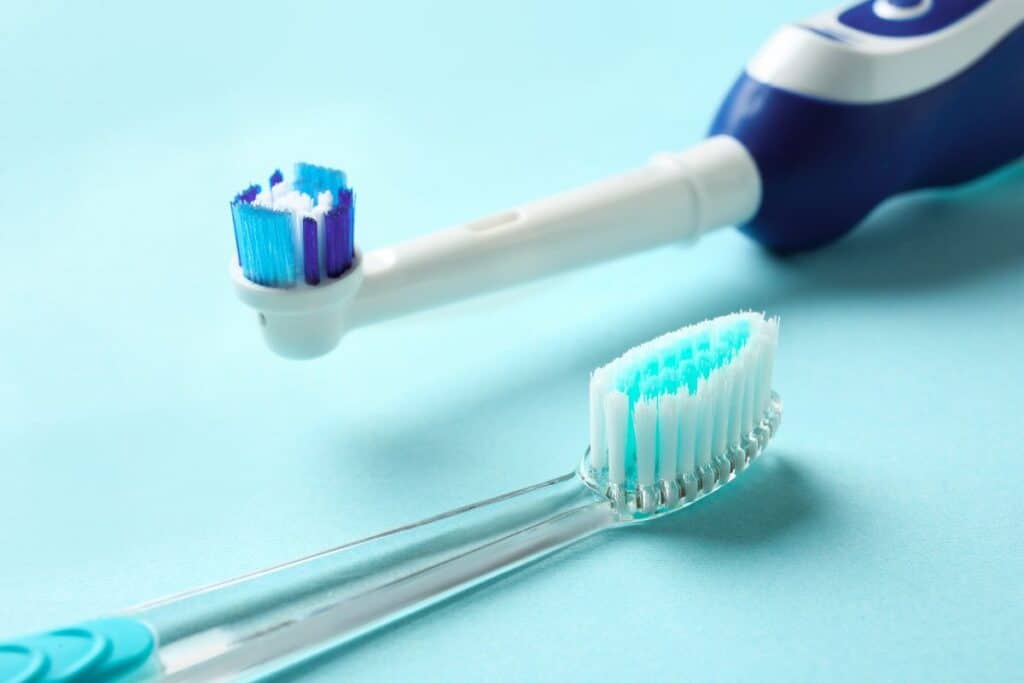
Electric toothbrushes have become a popular choice for people who want a cleaner, healthier smile. But are they actually better than a manual toothbrush? The answer depends on how you brush, your dental needs, and which features help you maintain a consistent routine. At Designer Dentistry & Smiles Sioux Falls, our team focuses on personalized care and practical advice that fits your everyday life.
Electric vs. Manual: Which One Cleans Better?
Both options can clean teeth effectively when you use the right technique. The American Dental Association recommends brushing twice a day for two minutes with fluoride toothpaste and a soft-bristled brush. The ADA also recognizes that both manual and powered options can effectively remove plaque.
However, research suggests that some powered designs may offer an advantage in plaque removal and gum health. A Cochrane review found that rotation-oscillation brushes removed plaque and reduced gingivitis more effectively than manual brushes in several studies.
For someone looking for a Sioux Falls dentist, the team at Designer Dentistry & Smiles Sioux Falls can help you choose a brushing routine that matches your needs. Dr. Nichole Cauwels, Dr. Kendra Zuercher, and Dr. Cassondra Heinz provide personalized care for patients of different ages and focus on helping families maintain healthy smiles.
How Powered Toothbrushes Work
Unlike a manual brush, a powered model moves the bristles automatically. Depending on the design, the head may rotate, oscillate, vibrate, or use another type of movement.
You still need to guide the brush around your mouth. However, the motor handles much of the brushing motion.
Built-In Features Can Make Brushing Easier
Many powered models include features designed to make daily brushing more consistent.
Some common features include:
- Two-minute timers
- Alerts that tell you when to move to another section
- Pressure sensors
- Different cleaning modes
- Replaceable brush heads
- Rechargeable batteries
- Smaller brush heads for easier access
These features can help people who rush through brushing or use too much pressure.
For example, a timer can remind you to brush for the full two minutes. A pressure sensor can alert you when you push too hard. These small reminders may make it easier to develop better habits.
Why Technique Still Matters
Buying a powered brush does not automatically guarantee a healthier smile.
You still need to clean all tooth surfaces and spend enough time around the gumline. The ADA recommends placing the brush near the gumline and using gentle pressure. You should clean the inner, outer, and chewing surfaces of your teeth.
A manual brush can work very well when you use it properly.
Common Brushing Mistakes
Whether you use a manual or powered option, watch for these habits:
- Brushing for less than two minutes
- Using excessive pressure
- Missing the back teeth
- Ignoring the gumline
- Brushing only the front surfaces
- Using a worn brush head
- Skipping your nighttime brushing
- Moving too quickly from one area to another
In other words, the tool matters, but your routine matters too.
Benefits of Choosing a Powered Option
Some people find a powered brush easier to use consistently. It may be particularly useful if you struggle with hand movement or have difficulty controlling a manual brush.
The ADA specifically notes that powered options may help people with limited dexterity, children, older adults, people with disabilities, or individuals with dental appliances such as braces.
1. Timers Encourage Better Brushing
It can be surprisingly easy to stop brushing after 30 or 60 seconds. A built-in timer can help you stay on track.
Some models divide the two-minute period into sections. This encourages you to spend similar amounts of time on different areas of your mouth.
2. Pressure Sensors Can Protect Your Gums
Brushing harder does not necessarily mean brushing better.
Excessive pressure can irritate gum tissue and contribute to problems such as gum recession or tooth sensitivity. A pressure sensor may alert you when you press too firmly.
This feature can prove especially useful if you have developed a habit of scrubbing your teeth aggressively.
3. Consistent Movement Can Help
Some people have trouble maintaining a consistent brushing technique with a manual brush. A powered head provides the movement, while you guide it across the teeth.
That can make the process feel simpler.
4. Helpful for Braces and Dental Appliances
Braces, retainers, and other dental appliances can create additional areas where plaque may collect.
A powered brush may make it easier for some people to clean around these areas. Still, you should follow your dentist’s instructions about brushing and cleaning around orthodontic appliances.
Benefits of a Manual Toothbrush
A manual toothbrush remains a strong choice for many people.
It does not require batteries, charging, or a motor. You can easily carry one when traveling, and replacement brushes typically cost less than powered models.
Manual Brushes Give You More Direct Control
With a manual brush, you control the speed, direction, and pressure.
That direct control can work well if you already have a good brushing technique. You can also choose from different handle shapes, head sizes, and soft-bristle designs.
The ADA recommends soft bristles because they can reduce the risk of gum irritation compared with harder bristles.
Manual Brushes Can Be Convenient
A manual option may be a practical choice if:
- You travel often
- You do not want to charge a device
- You prefer a simple routine
- You have a limited budget
- You already brush effectively
- You want an easy backup brush
There is no need to switch simply because powered brushes have become popular.
Is a Powered Brush Worth the Extra Cost?
Price is one of the biggest differences between the two choices.
A basic manual brush costs relatively little, while powered models can range from moderately priced options to premium devices with multiple settings and smart features.
However, price alone should not determine your decision.
Instead, think about whether the features solve a problem you actually have.
For example, if you frequently brush for less than two minutes, a timer could help. If you press too hard, a pressure sensor could encourage gentler brushing. If limited hand movement makes brushing difficult, powered movement may make your routine easier.
If none of these concerns apply, a quality manual brush may work perfectly well.
What About Gum Health?
Removing plaque regularly helps support healthy gums. If plaque remains around the gumline, it can contribute to inflammation and gingivitis.
Powered brushes may offer an advantage for some people. Research has found that certain powered designs can reduce plaque and gingivitis more effectively than manual brushing. However, results vary based on brush design, technique, and individual habits.
Do Not Ignore Bleeding Gums
If your gums bleed regularly when you brush or clean between your teeth, do not assume the brush is the problem.
Bleeding can indicate gum inflammation and deserves attention.
You should also contact your dentist if you notice:
- Persistent gum swelling
- Red or tender gums
- Receding gums
- Ongoing bad breath
- Loose teeth
- Changes in how your teeth fit together
- Pain when chewing
A dental evaluation can help identify the cause instead of simply changing your toothbrush.
How to Choose the Right Brush for You
There is no single brush that works best for every person.
Think about your habits, comfort, dental history, and ability to maintain proper technique.
Consider a Powered Brush If:
A powered option may make sense if you:
- Have difficulty controlling a manual brush
- Tend to brush too quickly
- Use excessive pressure
- Want a built-in timer
- Wear braces or dental appliances
- Have limited hand or finger movement
- Want extra brushing guidance
Consider a Manual Brush If:
A manual brush may suit you if you:
- Have good brushing technique
- Prefer a simple routine
- Travel frequently
- Want a low-cost option
- Do not need extra features
- Feel comfortable controlling brushing pressure
The best choice is ultimately the one you can use correctly and consistently.
How to Get Better Results From Either Option
Regardless of the brush you choose, focus on the basics.
Follow the Two-Minute Rule
Brush twice a day for two minutes using fluoride toothpaste. This recommendation applies whether you use a manual or powered brush.
Use Gentle Pressure
Do not scrub your teeth aggressively. Instead, guide the bristles gently around the gumline and tooth surfaces.
Clean Every Surface
Remember the:
- Front surfaces
- Back surfaces
- Chewing surfaces
- Inner surfaces
- Gumline
Also clean between your teeth every day because a toothbrush cannot reach every space between teeth. The ADA recommends daily interdental cleaning as part of a complete home-care routine.
Replace Worn Brush Heads
The ADA recommends replacing a toothbrush approximately every three to four months, or sooner if the bristles become frayed or matted. The same principle applies to replaceable powered brush heads.
Does the Brand Matter?
The most expensive brush is not automatically the best choice.
Instead, look for a product with features that support good habits. If you are considering a powered option, the ADA Seal of Acceptance can provide useful information because the ADA evaluates products for safety and effectiveness based on specific requirements.
However, you do not need a high-tech device to maintain good daily hygiene.
A simple brush can work well when you use it correctly.
Your Dentist Can Help You Decide
Your dental needs may change over time. Someone with braces may need different brushing advice from someone with sensitive teeth. Likewise, a person with gum concerns may benefit from a different technique than someone with no current dental problems.
That is why personalized advice can be useful.
At Designer Dentistry & Smiles Sioux Falls, the team emphasizes patient-centered care and personalized treatment plans. Dr. Nichole Cauwels, Dr. Kendra Zuercher, and Dr. Cassondra Heinz serve patients of different ages and offer comprehensive dental services in Sioux Falls.
Conclusion
So, are electric toothbrushes really better than manual options? In some situations, yes. Research suggests that certain powered designs can provide stronger plaque and gingivitis reduction. They can also make brushing easier for people who need help with timing, pressure, dexterity, or consistency.
However, a manual toothbrush can still provide excellent results when you use it properly. The most important habits remain the same: brush twice a day for two minutes with fluoride toothpaste, use gentle pressure, clean every tooth surface, and clean between your teeth daily.
If you are unsure which option fits your needs, schedule your appointment with Designer Dentistry & Smiles Sioux Falls in Sioux Falls. The team can evaluate your smile and help you build a personalized daily care routine.