6100 W. 41st St. Sioux Falls, SD 57106
Digital X-rays can make dental visits more informative, efficient, and precise. Instead of relying only on what the dentist can see during a visual exam, these images provide a closer look at areas hidden beneath the surface. At Designer Dentistry & Smiles Sioux Falls, our team uses modern technology as part of a personalized approach to helping patients understand their dental needs. With Dr. Nichole Cauwels, Dr. Kendra Zuercher, and Dr. Cassondra Heinz, patients can receive care based on a clearer picture of their teeth, gums, and supporting structures.
Why Dental Imaging Matters
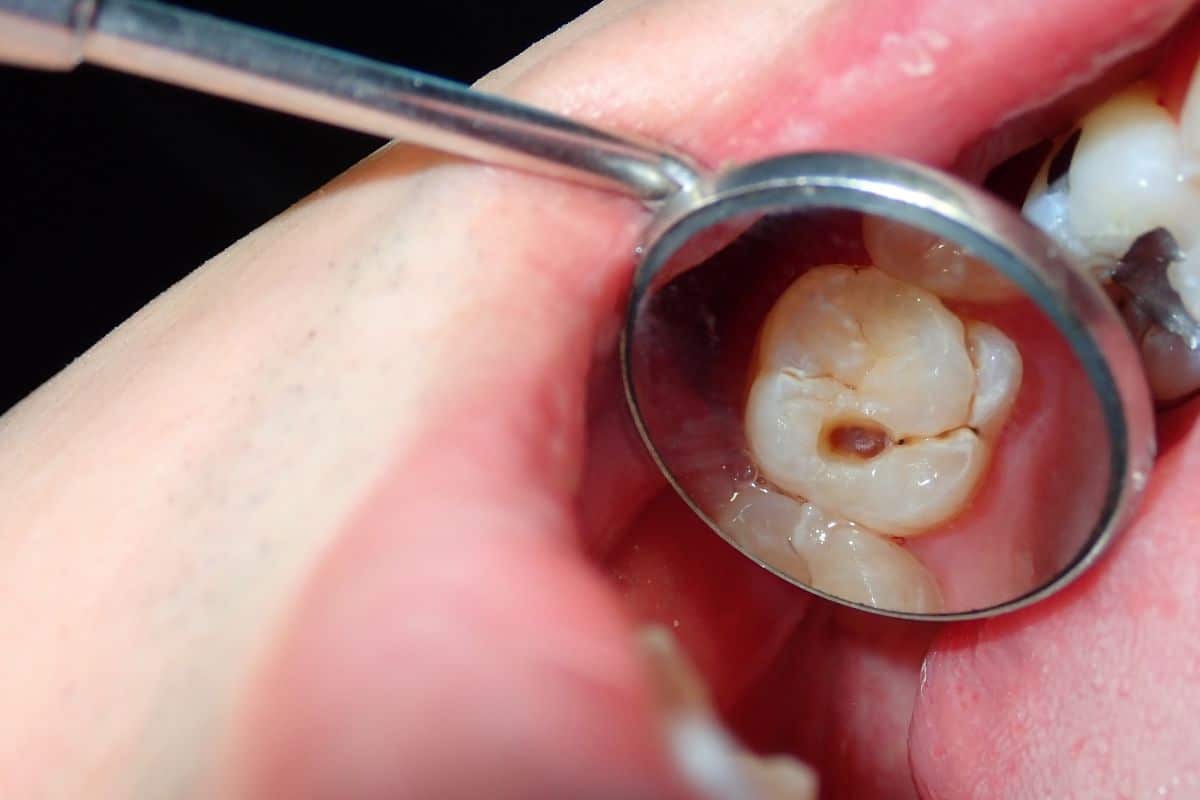
A regular dental examination can reveal many problems, but some conditions develop in places that the naked eye cannot see. For example, decay may start between teeth, changes can occur around the roots, and bone loss may develop below the gumline.
Digital imaging helps dentists examine these areas more closely. This additional information can support earlier detection and better treatment decisions.
What Can an X-Ray Reveal?
Depending on the type of image taken, a dentist may evaluate:
- Tooth decay that sits between teeth
- Changes around tooth roots
- Bone levels and signs of bone loss
- Developing or impacted teeth
- Tooth infections
- Changes in the jaw
- Existing restorations
- Areas that need closer examination
- Dental implant placement and surrounding structures
Because many dental conditions do not cause symptoms at first, imaging can also help identify concerns before they become more noticeable.
For patients looking for a Sioux Falls dentist, Designer Dentistry & Smiles Sioux Falls combines advanced technology with personalized care. The practice describes its approach as patient-centered and uses modern technology to improve accuracy, safety, and comfort. Dr. Nichole Cauwels and Dr. Kendra Zuercher have deep local roots, while Dr. Cassondra Heinz brings additional interests in orthodontics and airway dentistry.
What Makes Digital X-Rays Different?
Traditional dental films require chemical processing and physical storage. Digital systems capture an electronic image that the dental team can view on a computer.
This difference can make the process simpler for both patients and dental professionals.
Faster Access to Images
With a digital system, the dental team can usually view images soon after taking them. This can make an appointment more efficient because the dentist does not need to wait for film processing.
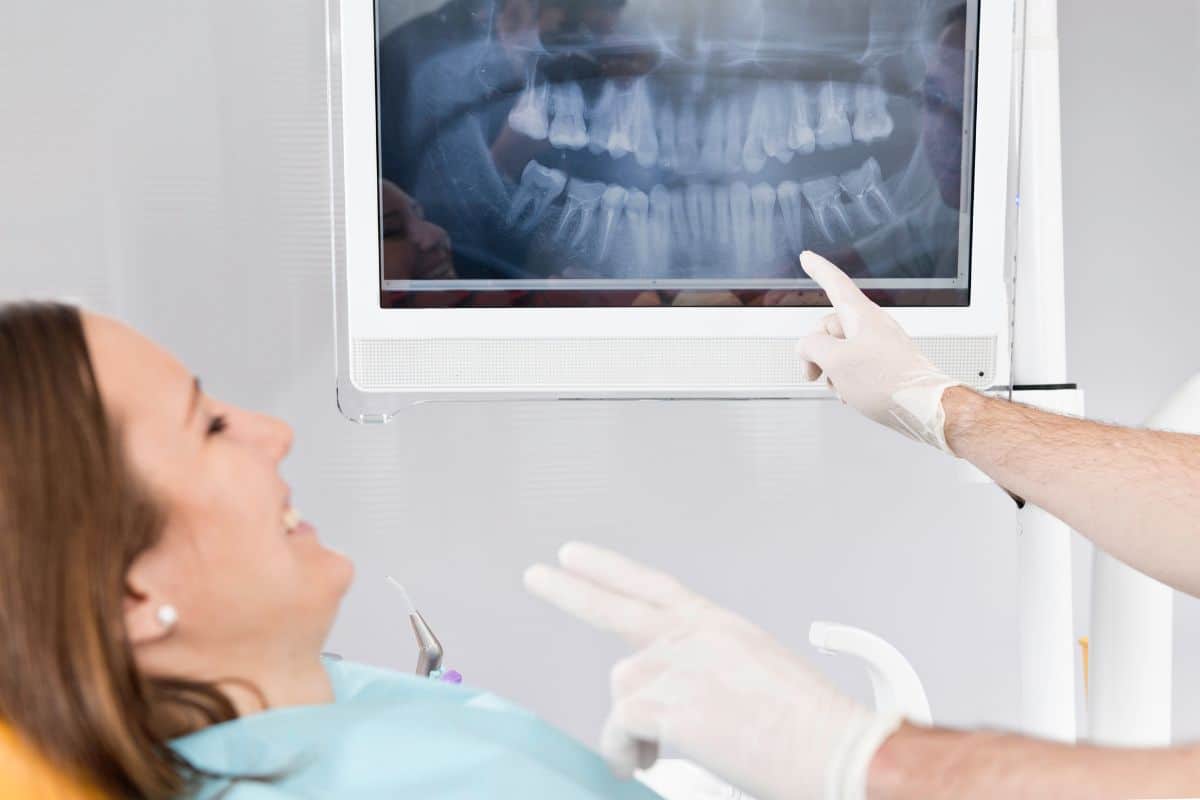
The dentist can also discuss the image with you while you are still in the treatment room. Seeing the area on a screen may make it easier to understand why a certain treatment could help.
Easy Image Storage
Digital files can remain part of a patient’s dental record. This allows the dental team to compare images over time when appropriate.
For example, if an area looks different from a previous image, the dentist can evaluate the change along with your current examination and symptoms.
Helpful Image Adjustments
Digital systems can allow dental professionals to adjust how an image appears on the screen. They may enlarge an area or change the display to help examine specific details.
These tools do not replace the dentist’s clinical judgment. Instead, they give the dental team another source of information to consider.
How Digital Imaging Helps Find Problems Earlier
One of the biggest benefits of dental imaging involves detecting issues that may not cause pain.
A cavity, for instance, can develop between two teeth where a toothbrush cannot reach well. You may feel completely normal while the problem continues to grow.
Similarly, bone changes related to gum problems can develop without obvious discomfort. An image can help the dentist look beneath the gumline and evaluate structures that are difficult to assess during a visual examination alone.
Common Problems That May Need Imaging
A dentist may recommend an image when they need additional information about:
Tooth Decay
Images can help reveal decay in areas that are difficult to see directly. Early evaluation may allow a dentist to address a problem before it becomes more extensive.
Root and Bone Concerns
The roots of your teeth sit below the gumline. Imaging can help the dentist examine the surrounding bone and identify changes that require attention.
Dental Infections
Certain infections can affect areas around a tooth root. Although symptoms such as swelling or pain can provide clues, imaging can offer additional information when a dentist evaluates the source of the problem.
Developing or Impacted Teeth
Dental images can help dentists monitor teeth that have not fully erupted. This can be particularly useful when evaluating developing teeth in children and teenagers.
Implant Planning
When a patient considers an implant, the dentist needs to understand the condition of the jaw and surrounding structures. Imaging can contribute to treatment planning and help the dental team determine the appropriate approach.
Better Information Can Lead to Better Treatment Planning
A treatment plan should match the patient’s actual dental condition. However, a dentist cannot make every decision from a visual examination alone.
Digital imaging provides another layer of information.
For example, imagine that you have discomfort in one tooth. Your dentist can examine the tooth, ask about your symptoms, check your bite, and use imaging when needed. Together, these findings can help narrow down possible causes.
This approach matters because similar symptoms can come from different dental problems.
Planning Restorative Treatment
If you need a crown, filling, bridge, or another restoration, your dentist may use imaging to understand the tooth and surrounding structures.
The images can support decisions about:
- How much healthy tooth structure remains
- Whether decay extends deeper into the tooth
- Whether the root area looks healthy
- Whether additional treatment may be necessary
- How the restoration should fit into the overall treatment plan
The dentist still evaluates the tooth directly. Imaging works alongside the clinical examination rather than replacing it.
Supporting Periodontal Care
Healthy gums depend on more than what you can see when you smile. The bone surrounding your teeth also plays an important role.
When a dentist evaluates gum health, images may help show bone levels and changes around teeth. This information can support a more complete evaluation and help guide treatment recommendations.
Digital Imaging and Dental Implants
Implant treatment requires careful planning because an implant interacts with the jawbone and nearby structures.
Before recommending treatment, the dental team may need information about the available bone and the position of nearby anatomy.
Why Planning Matters
A dentist needs to consider several factors before moving forward with implant treatment, including:
- The condition of the jawbone
- The location of nearby structures
- The health of surrounding teeth and gums
- The patient’s overall dental needs
- The planned position of the replacement tooth
Digital images can help the dental team collect this information and develop a treatment approach that fits the patient’s situation.
Designer Dentistry & Smiles Sioux Falls offers comprehensive care that includes dental implants along with preventive, restorative, cosmetic, orthodontic, and other services.
How Imaging Can Improve Communication
Dental terminology can sometimes feel confusing. A patient may understand that a dentist found a problem but still wonder what the issue looks like or why treatment matters.
A digital image can make that conversation easier.
Instead of describing an area only with words, the dentist can point to the specific part of the image being discussed. This visual explanation may help you understand your treatment options and make a more informed decision.
Questions You Can Ask Your Dentist
If your dentist recommends imaging, consider asking:
- Why do I need this image?
- What area will it show?
- What are you looking for?
- Does the image change my treatment options?
- How often will I need similar images?
- Can you show me what you see?
Good communication gives you an active role in your dental care.
Are Digital X-Rays Safe?
Dental X-rays use radiation, so dentists consider the benefits and need for imaging before recommending it. The American Dental Association recommends that dental professionals use imaging based on individual patient needs rather than taking X-rays automatically at every visit.
Your dentist can consider factors such as your dental history, current symptoms, age, previous findings, and risk for certain conditions.
The goal is to use imaging when the information can contribute meaningfully to diagnosis or treatment.
Why Your Dental History Matters
There is no single imaging schedule that works for every person.
Someone with a history of cavities may need a different approach than someone with a lower risk of tooth decay. Likewise, a patient experiencing pain may need an image for diagnostic reasons even if they recently had a routine examination.
That is why your dentist should decide when imaging makes sense for your specific situation.
How Digital X-Rays Fit Into Modern Dental Care
Modern dentistry focuses on more than treating problems after they become painful. Prevention and early detection can help patients protect their smiles over time.
Digital imaging supports this approach by giving dentists more information when they need it.
At Designer Dentistry & Smiles Sioux Falls, the practice highlights advanced technology as one part of its patient-centered care model. The team also offers comprehensive dental services for children and adults, helping patients receive different types of care in one location.
Technology Does Not Replace Your Dentist
It is important to remember that an image alone does not provide a complete diagnosis.
Your dentist considers several pieces of information, including:
- Your symptoms
- Your dental history
- The clinical examination
- Your current oral condition
- Imaging findings when needed
- Your treatment goals
The dentist then combines these details to develop an appropriate plan.
This balanced approach helps prevent decisions based on a single piece of information.
What to Expect During an Imaging Appointment
If your dentist recommends an X-ray, the process generally takes only a short amount of time.
The dental professional will position the imaging equipment according to the type of image needed. You may need to bite gently on a small holder while the image captures the area.
Once the image is available, your dentist can review it along with your examination findings.
You may then discuss:
- What the image shows
- Whether anything needs attention
- Possible treatment options
- Whether you need additional imaging
- How the finding fits into your overall dental health
If the image does not show a concern, that information can also provide reassurance.
Digital X-rays give dentists a closer look at parts of your mouth that a standard visual examination cannot fully reveal. They can support the detection of decay, infections, bone changes, developing teeth, and other concerns. They can also provide useful information when your dentist plans restorative work, periodontal care, or dental implant treatment.
Most importantly, imaging works as part of a larger examination. Your dentist considers your symptoms, history, clinical findings, and goals before recommending treatment.
At Designer Dentistry & Smiles Sioux Falls, Dr. Nichole Cauwels, Dr. Kendra Zuercher, and Dr. Cassondra Heinz provide personalized care supported by modern technology. The practice emphasizes patient comfort, clear communication, and comprehensive treatment options for families in Sioux Falls.
If you have questions about an X-ray or wonder whether you need a dental evaluation, schedule your appointment with the team at Designer Dentistry & Smiles Sioux Falls. A timely evaluation can help you understand your current dental health and take the next step with confidence.