6100 W. 41st St. Sioux Falls, SD 57106
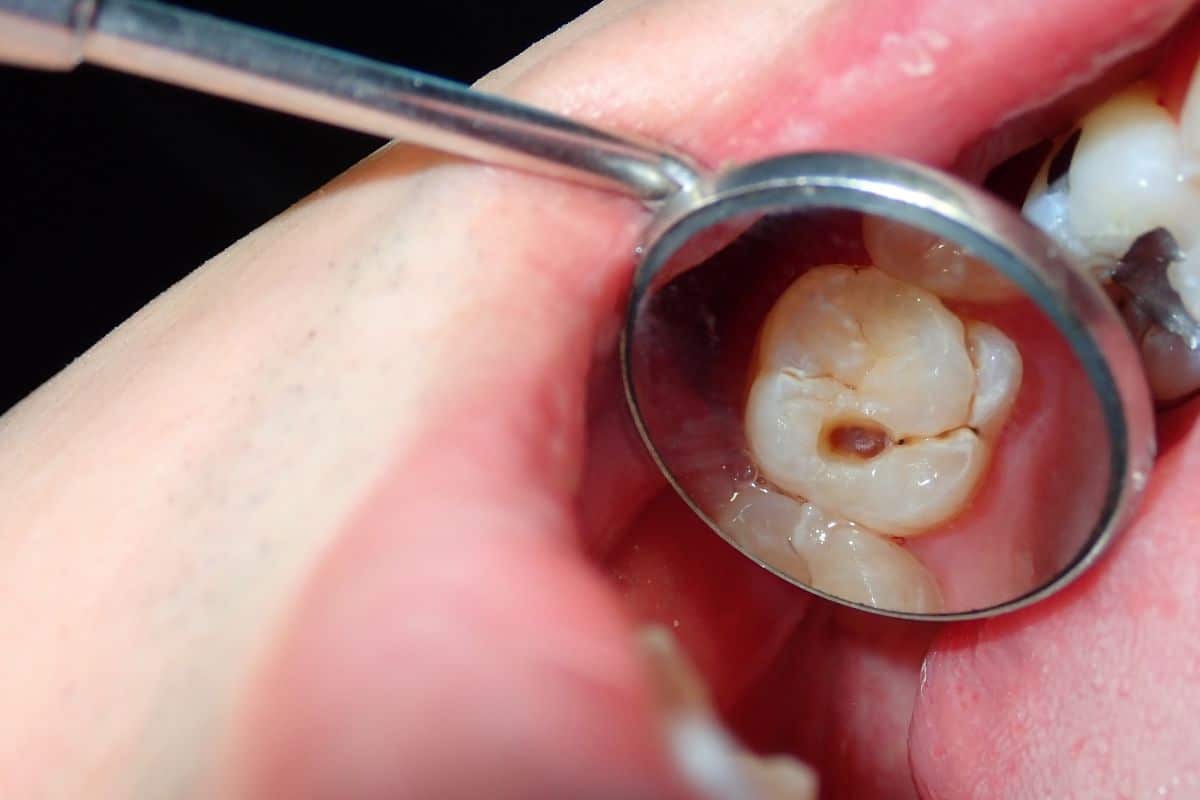
Understanding saliva flow age cavity risk can become increasingly important as you get older because saliva does much more than simply keep your mouth comfortable. It helps protect your teeth, rinse away food particles, and support a healthier oral environment. At Designer Dentistry & Smiles Sioux Falls, patients can receive personalized dental care that considers changes in their oral health at every stage of life.
Many people assume that dry mouth and reduced saliva are simply unavoidable parts of aging. However, aging itself is not always the only reason saliva production changes. Medications, medical conditions, hydration, lifestyle habits, and other factors can all affect how much saliva your mouth produces.
When saliva flow decreases, your teeth may have less natural protection between brushing and dental visits. Therefore, understanding these changes can help you recognize when extra preventive care may be useful.
Why Saliva Is Important for Oral Health
Saliva plays an active role in protecting your mouth throughout the day.
Every time you eat or drink, your mouth experiences changes. Food particles, sugars, acids, and bacteria can all affect the oral environment. Saliva helps manage many of these changes.
Saliva Helps Protect Your Teeth and Mouth
Healthy saliva flow can help:
- Wash away food particles.
- Dilute sugars and acids.
- Keep the mouth moist.
- Support comfortable chewing and swallowing.
- Help protect soft oral tissues.
- Support the mouth’s natural mineral balance.
- Reduce the amount of time food remains around the teeth.
Although saliva cannot replace brushing and flossing, it provides an important layer of natural protection.
When saliva production decreases, food and bacteria may remain in the mouth longer. As a result, certain dental problems may become more likely.
Does Saliva Naturally Decrease With Age?
Growing older does not automatically mean that everyone will experience significantly reduced saliva production.
However, some factors that become more common with age can affect how the mouth feels and functions.
These may include:
- Taking multiple medications.
- Certain medical conditions.
- Changes in hydration.
- Mouth breathing.
- Medical treatments.
- Lifestyle changes.
Therefore, it is often more accurate to look at the factors surrounding aging rather than assuming age alone is responsible.
Medications Can Play an Important Role
Many commonly prescribed and over-the-counter medications can contribute to dry mouth.
A person may begin taking medications for different health concerns over time and gradually notice that their mouth feels drier than it did before.
Designer Dentistry & Smiles Sioux Falls notes that certain medications, aging, and medical conditions may contribute to reduced saliva production and dry mouth.
If you notice persistent dryness after starting or changing a medication, discuss it with your prescribing healthcare professional and dentist.
Do not stop taking prescribed medication without medical guidance.
Personalized Dental Care for Saliva Changes in Sioux Falls
When considering saliva flow age cavity risk, it is important to understand your personal situation rather than assuming every dry mouth concern has the same cause. If you are looking for a Sioux Falls dentist, Dr. Nichole Cauwels, Dr. Kendra Zuercher, and Dr. Cassondra Heinz at Designer Dentistry & Smiles Sioux Falls can evaluate changes in your oral health and discuss preventive care based on your individual needs.
The practice provides comprehensive dental care and takes a personalized approach to understanding each patient’s oral health history, lifestyle, and goals. Regular preventive visits can also help identify dental concerns before they become more serious.
How Reduced Saliva Can Increase Cavity Risk
Your teeth face repeated challenges throughout the day.
When you eat or drink something containing sugar or carbohydrates, oral bacteria can use those substances and produce acids. These acids can affect the outer surface of your teeth.
Normally, saliva helps reduce some of this exposure by washing away particles and supporting the mouth’s natural protective processes.
Less Saliva Means Less Natural Rinsing
When your mouth does not produce enough saliva, food particles may remain around the teeth for longer periods.
This can become especially important when a person frequently snacks or slowly sips sweetened or acidic beverages throughout the day.
A lower saliva flow may mean:
- Food stays around the teeth longer.
- Sugars remain available to oral bacteria.
- Acids may remain in contact with teeth for longer.
- The mouth feels dry and uncomfortable.
- The natural cleansing effect of saliva decreases.
For this reason, saliva flow age cavity risk can become an important part of preventive dental planning.
Dry Mouth Can Change How Your Mouth Feels
Dry mouth is not always difficult to recognize.
You may notice:
- A sticky or dry feeling.
- Difficulty swallowing dry foods.
- Frequently needing water while eating.
- Dry lips.
- A dry throat.
- Persistent bad breath.
- A burning sensation.
- Changes in how food tastes.
Some people experience mild symptoms, while others notice significant discomfort.
Dry Mouth Can Also Affect Daily Comfort
Saliva helps lubricate the mouth.
When there is less moisture, everyday activities such as speaking, chewing, and swallowing may feel less comfortable.
You may also become more aware of rough areas, dental appliances, or irritated tissues.
Persistent dryness deserves attention because it can affect both comfort and oral health.
Saliva Flow Age Cavity Risk vs. Other Causes of Tooth Decay
Reduced saliva can increase dental risks, but it is rarely the only factor.
A person with a dry mouth may also have other habits that affect their teeth.
Other Factors That Can Influence Dental Health
These include:
- Frequent sugary snacks.
- Sweetened beverages.
- Acidic drinks.
- Inconsistent brushing.
- Not cleaning between the teeth.
- Existing dental restorations.
- Gum recession.
- Difficulty maintaining oral hygiene.
This is why dentists look at the complete picture rather than blaming one symptom.
A personalized examination can help identify which factors may need attention.
Why Frequent Snacking Can Be More Challenging With Dry Mouth
The frequency of eating can matter as much as the amount of food consumed.
Every snack can create another period of exposure to sugars or acids.
Normally, saliva helps the mouth recover after eating. However, when saliva production is reduced, the natural recovery process may be less effective.
Consider Your Eating Pattern
It can be helpful to think about:
- How often you snack.
- Whether you sip sweetened beverages for long periods.
- Whether you eat before bed.
- Whether you frequently eat sticky foods.
- How often you drink water.
Small changes to eating and drinking habits may support a healthier oral environment.
How Hydration Supports Your Mouth
Not drinking enough water can make a dry mouth feel worse.
While hydration does not correct every cause of reduced saliva production, drinking water regularly can help maintain comfort.
Practical Ways to Stay Hydrated
Consider:
- Keeping water nearby during the day.
- Drinking water with meals.
- Choosing water more often between meals.
- Paying attention to increased thirst.
- Drinking water after eating when brushing is not immediately possible.
Water can also help rinse away loose food particles.
However, water does not replace saliva’s full protective role or regular oral hygiene.
The Connection Between Dry Mouth and Older Adults
As people age, they may experience changes in their health routines.
For example, an older adult may take more medications than they did years earlier. They may also manage medical conditions that influence hydration or saliva production.
These changes can gradually affect the mouth.
Regular Dental Visits Become Especially Valuable
Regular checkups allow your dentist to monitor changes over time.
At preventive visits, your dental team can look for early concerns and recommend care based on your current needs.
Designer Dentistry & Smiles Sioux Falls emphasizes personalized preventive care and early detection to help patients address dental concerns before they become more complicated.
This approach can be particularly helpful when changes in saliva production affect your oral health.
Saliva Flow Age Cavity Risk and Existing Dental Work
Reduced saliva can also affect people who already have dental restorations.
Crowns, fillings, bridges, and other restorations require ongoing care because the natural tooth structure around them still needs protection.
Pay Attention to Changes Around Restorations
Contact your dentist if you notice:
- New sensitivity.
- Rough edges.
- Food frequently getting trapped.
- Changes in how your bite feels.
- Discomfort around an existing restoration.
Dry mouth does not automatically cause these problems. However, reduced natural cleansing can make consistent home care and regular examinations even more important.
What Can You Do to Support Healthy Saliva Flow?
The best approach depends on why your mouth feels dry.
However, several everyday habits may support oral comfort.
Drink Water Regularly
Water can help relieve temporary dryness and rinse away loose particles.
Maintain Consistent Oral Hygiene
Continue to:
- Brush twice daily with fluoride toothpaste.
- Clean between your teeth every day.
- Follow your dentist’s recommendations.
- Keep regular preventive appointments.
Review Your Medications With Your Healthcare Team
If dry mouth began after a medication change, discuss the symptom with the prescribing healthcare professional.
Never change or stop a medication on your own.
Avoid Frequent Sugar Exposure
Reducing frequent sugary snacks and drinks may help lower repeated exposure to substances that oral bacteria can use.
Discuss Persistent Dryness With Your Dentist
A dry mouth that lasts for weeks or repeatedly affects your comfort should be discussed during a dental visit.
The goal is to identify possible contributing factors rather than simply treating the symptom without understanding its cause.
When Should You Be Concerned About Dry Mouth?
Occasional dryness can happen for simple reasons, such as sleeping with your mouth open or spending time in a dry environment.
However, persistent symptoms deserve more attention.
Consider Scheduling an Evaluation If You Notice
- Dryness that continues for several weeks.
- Difficulty chewing or swallowing.
- Frequent thirst.
- Repeated dental problems.
- Mouth sores.
- Persistent bad breath.
- A sudden change in saliva production.
- Increasing discomfort when eating or speaking.
These symptoms can have different causes.
A dental evaluation may help determine whether your oral health needs additional preventive support.
Why Early Detection Matters
Dental concerns can sometimes develop without causing immediate pain.
A small area of decay, for example, may not be noticeable until it becomes larger.
Designer Dentistry & Smiles Sioux Falls highlights the value of preventive visits because dentists can identify concerns early and help patients avoid more complex treatment when possible.
Prevention Can Be Personalized
There is no single preventive routine that works identically for everyone.
A person with healthy saliva flow and a low risk of decay may need different recommendations than someone with persistent dry mouth or multiple contributing risk factors.
Your dentist can consider:
- Your medical and dental history.
- Your medications.
- Your daily habits.
- Your oral hygiene routine.
- Signs of dryness.
- Previous dental concerns.
This individualized approach can help you make practical changes based on your actual needs.
How Your Dentist Can Help Monitor Changes Over Time
Your oral health can change throughout life.
A routine that worked well ten years ago may need adjustment if your medications, health, habits, or saliva production change.
At Designer Dentistry & Smiles Sioux Falls, Dr. Nichole Cauwels, Dr. Kendra Zuercher, and Dr. Cassondra Heinz provide care for patients of different ages and focus on individualized treatment discussions. Dr. Cassondra Heinz also provides care for patients of all ages and continues professional education to stay current with developments in dentistry.
Small Changes Can Have a Meaningful Impact
Supporting your oral health does not always require a dramatic change.
Simple steps such as drinking more water, reducing frequent sugary drinks, improving daily hygiene, and discussing persistent dryness can make it easier to protect your teeth over time.
The most important step is recognizing that ongoing dry mouth is worth discussing rather than accepting it as an unavoidable part of getting older.
Final Thoughts on Saliva and Cavity Risk
Saliva provides an important natural defense for your mouth. It helps rinse away food particles, supports a balanced oral environment, and contributes to the comfort and protection of your teeth and soft tissues.
Although aging itself does not automatically cause major reductions in saliva production, medications, health conditions, hydration, and other changes that become more common over time can affect how much saliva your mouth produces.
Understanding saliva flow age cavity risk can help you recognize why persistent dry mouth deserves attention. By maintaining good oral hygiene, staying hydrated, limiting frequent sugar exposure, and keeping up with preventive care, you can take meaningful steps to protect your smile.
Schedule your appointment with Dr. Nichole Cauwels, Dr. Kendra Zuercher, or Dr. Cassondra Heinz at Designer Dentistry & Smiles Sioux Falls, 6100 W. 41st St., Sioux Falls, SD 57106, for a personalized preventive dental evaluation and guidance for protecting your oral health.