6100 W. 41st St. Sioux Falls, SD 57106
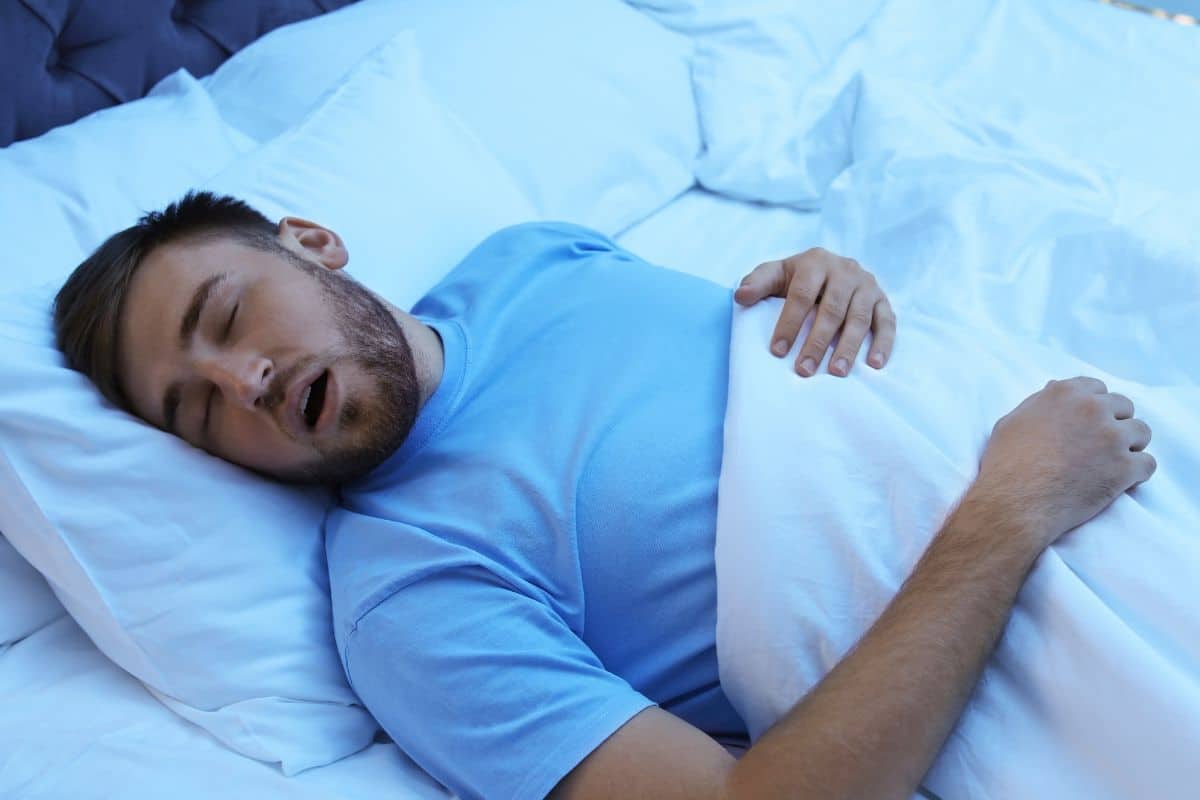
Recognizing sleep apnea daytime energy signs can be important when you regularly wake up feeling tired, struggle to stay focused, or feel like you need more rest even after spending enough hours in bed. At Designer Dentistry & Smiles Sioux Falls in Sioux Falls, sleep-related breathing concerns can affect more than your nighttime routine. They may also influence how alert, productive, and energized you feel throughout the day.
Many people assume that feeling tired is simply part of a busy lifestyle. Work, family responsibilities, stress, and late nights can certainly affect energy levels. However, when daytime fatigue continues despite getting what seems like enough sleep, it may be worth looking more closely at the quality of that sleep.
Interrupted breathing during the night can prevent the body from moving through normal, restorative sleep stages. As a result, you may spend many hours in bed but still wake up feeling as though you never fully rested.
Why Sleep Quality Matters as Much as Sleep Duration
Getting eight hours of sleep does not always mean that your body received eight hours of uninterrupted, restorative rest.
Your body moves through different stages of sleep throughout the night. Deep sleep and REM sleep support important processes involving physical recovery, memory, and mental functioning.
When breathing repeatedly becomes restricted or interrupted, your body may briefly react to restore airflow. These disruptions can occur many times during the night.
You may not remember waking up. However, repeated interruptions can affect sleep quality.
Your Body May Keep Working While You Sleep
When your airway becomes narrowed or blocked, your body must respond.
The brain may trigger reactions that help restore breathing. Your heart rate and muscles may also respond as your body works to reopen the airway.
According to Designer Dentistry & Smiles Sioux Falls, repeated breathing interruptions can interfere with deep and REM sleep and contribute to fatigue, memory concerns, and other effects associated with inadequate restorative sleep.
As a result, you may wake up feeling tired even after spending a full night in bed.
What Are Sleep Apnea Daytime Energy Signs?
Daytime symptoms can sometimes be the first noticeable clue that your sleep quality needs attention.
Common sleep apnea daytime energy signs may include:
- Waking up feeling unrefreshed.
- Feeling unusually tired during the day.
- Needing frequent naps.
- Struggling to stay awake during quiet activities.
- Difficulty concentrating.
- Memory lapses.
- Reduced motivation.
- Feeling mentally foggy.
- Irritability or mood changes.
These symptoms can have many possible causes. However, when they occur alongside loud snoring, gasping, choking during sleep, or other nighttime breathing concerns, a professional evaluation may be appropriate.
Personalized Sleep Apnea Therapy in Sioux Falls
If you have noticed sleep apnea daytime energy signs, understanding what may be interrupting your rest is an important first step. At Designer Dentistry & Smiles Sioux Falls, personalized sleep apnea therapy discussions can help patients explore treatment options based on their individual needs. Dr. Nichole Cauwels, Dr. Kendra Zuercher, and Dr. Cassondra Heinz can discuss airway-related concerns and appropriate next steps as part of a comprehensive approach to patient care.
The practice offers sleep-related breathing treatment options and describes approaches that may include CPAP therapy, oral appliances such as mandibular advancement devices, and other treatment strategies depending on the severity and underlying factors involved.
A proper diagnosis remains essential because persistent daytime tiredness can have many possible causes.
You Wake Up Feeling Like You Barely Slept
One of the most common daytime concerns is waking up without feeling refreshed.
You may think:
- “I went to bed early, so why am I still exhausted?”
- “I slept for seven or eight hours, but I feel drained.”
- “I need several alarms before I can get up.”
- “I feel tired before my day even begins.”
This can happen when the amount of time spent in bed does not match the amount of uninterrupted restorative sleep your body receives.
Repeated Interruptions Can Affect Restorative Sleep
You may not fully remember every breathing interruption during the night.
However, your body can repeatedly shift out of deeper sleep stages to restore breathing. These brief arousals may occur without your conscious awareness.
Over time, fragmented sleep can leave you feeling as though your body never had enough time to fully recharge.
You Feel a Strong Energy Crash in the Afternoon
Many people experience a natural decrease in alertness during the afternoon. However, an extreme or daily energy crash may deserve attention.
You may feel:
- Heavy-eyed at your desk.
- Sleepy during meetings.
- Unable to focus after lunch.
- Dependent on caffeine to stay alert.
- Ready to nap every afternoon.
These symptoms do not automatically point to a sleep-related breathing disorder. Diet, stress, medications, and other health concerns can also affect energy.
Still, persistent daytime fatigue can be one of the sleep apnea daytime energy signs worth discussing with a qualified healthcare professional.
Brain Fog Can Affect Work and Daily Tasks
Poor-quality sleep can influence mental sharpness.
You may notice that routine tasks take longer than usual. You might reread the same email several times, lose your train of thought during conversations, or struggle to remember small details.
Common Cognitive Changes May Include
- Difficulty concentrating.
- Forgetfulness.
- Slower thinking.
- Reduced attention to detail.
- Trouble completing complex tasks.
- Difficulty making decisions.
Designer Dentistry & Smiles Sioux Falls notes that insufficient deep sleep can affect memory and daytime functioning.
If these changes continue, it is important not to assume they are simply a normal part of getting older or having a busy schedule.
You Depend on Caffeine to Function
Coffee and tea can be part of a normal morning routine. However, needing large amounts of caffeine just to feel awake may indicate that your body is not getting the rest it needs.
You might find yourself:
- Drinking coffee immediately after waking.
- Reaching for another caffeinated drink before noon.
- Using energy drinks to stay productive.
- Feeling sleepy again shortly after caffeine wears off.
Caffeine can temporarily increase alertness, but it does not correct the cause of disrupted sleep.
If you consistently rely on stimulants to overcome severe fatigue, consider discussing your sleep habits with a healthcare professional.
Your Mood Changes More Easily
Sleep affects more than physical energy.
When you do not receive consistent restorative rest, you may have less patience and emotional resilience during the day.
You may notice:
- Increased irritability.
- Frustration over small problems.
- Difficulty managing stress.
- Lower motivation.
- Mood changes.
These symptoms can have many possible causes. However, poor sleep quality can contribute to emotional changes and should not be overlooked.
Your Daytime Mood Can Reflect Your Nighttime Rest
A difficult night does not always lead to an obvious feeling of exhaustion.
Sometimes, the first signs appear as reduced patience, mental fatigue, or difficulty handling normal responsibilities.
Tracking patterns between your sleep and daytime mood can provide useful information to discuss during an evaluation.
Morning Headaches May Be Worth Discussing
Some people with disrupted sleep experience headaches after waking.
Morning headaches can have many causes, including sleep habits, muscle tension, dehydration, and other health concerns.
However, if headaches occur regularly along with snoring, fatigue, or gasping episodes during sleep, discussing the complete pattern with a healthcare professional can be helpful.
Do not assume that frequent morning headaches are normal simply because they improve later in the day.
You Fall Asleep During Quiet Activities
Occasionally feeling sleepy while watching television may be normal after a long day.
However, falling asleep unexpectedly or struggling to stay awake during quiet activities may indicate excessive daytime sleepiness.
Pay attention if you frequently doze off:
- While watching television.
- While reading.
- During meetings.
- As a passenger in a vehicle.
- During other sedentary activities.
Drowsiness Can Affect Safety
Excessive daytime sleepiness can also affect activities that require attention.
If you feel dangerously sleepy while driving or operating machinery, stop the activity when it is safe to do so and seek prompt medical guidance.
Persistent daytime drowsiness deserves professional attention.
Snoring Is Not the Only Nighttime Clue
Not everyone realizes that they have breathing disruptions while asleep.
A partner or family member may notice symptoms before you do.
Possible nighttime clues include:
- Loud or frequent snoring.
- Gasping for air.
- Choking sounds.
- Pauses in breathing.
- Restless sleep.
- Frequent waking.
- Dry mouth after waking.
Designer Dentistry & Smiles Sioux Falls identifies snoring, waking fatigued, and choking or gasping episodes as signs that may warrant further evaluation and potentially a sleep study for diagnosis.
Sleep Apnea Daytime Energy Signs vs. Ordinary Tiredness
Everyone feels tired occasionally.
A late night, stressful week, illness, or major life change can temporarily reduce your energy. The difference is often persistence.
Ordinary Fatigue May Improve With Rest
You may feel better after:
- A full night of quality sleep.
- A lighter schedule.
- Proper hydration.
- Recovery from illness.
- Reduced stress.
Persistent Fatigue May Need More Investigation
Consider discussing your symptoms when tiredness:
- Continues despite adequate time in bed.
- Occurs almost every day.
- Affects work or school.
- Makes it difficult to concentrate.
- Causes excessive daytime sleepiness.
- Occurs with snoring or breathing concerns.
The sleep apnea daytime energy signs that persist over time should not be ignored simply because you have become accustomed to feeling tired.
Why a Professional Evaluation Matters
Daytime fatigue does not have one single cause.
A qualified healthcare professional can consider your symptoms, medical history, sleep patterns, and other factors.
Designer Dentistry & Smiles Sioux Falls explains that a sleep study may help confirm the presence and severity of a sleep-related breathing condition.
Treatment Should Match Your Individual Needs
Treatment options can vary based on the condition and its severity.
Depending on your diagnosis and clinical needs, options may include:
- CPAP therapy.
- Oral appliances.
- Lifestyle recommendations.
- Orthodontic or airway-focused approaches in selected situations.
- Referral to appropriate medical specialists.
- Other treatment strategies when clinically indicated.
For example, the practice discusses mandibular advancement devices as an option for some patients, particularly when an oral appliance is clinically appropriate.
The right treatment depends on an individual’s diagnosis and care plan.
Your Dental Health May Also Provide Important Clues
Airway and sleep-related concerns can sometimes overlap with dental observations.
For example, Designer Dentistry & Smiles Sioux Falls discusses how breathing problems and airway anatomy may contribute to issues such as mouth breathing, clenching, or grinding in some patients.
A Comprehensive Approach Can Be Helpful
Dental professionals may notice signs involving:
- Tooth grinding.
- Jaw position.
- Narrow dental arches.
- Mouth breathing patterns.
- Other oral or airway-related features.
These observations do not independently diagnose a sleep disorder. However, they may support a conversation about whether further evaluation is appropriate.
Dr. Cassondra Heinz has a particular interest in airway dentistry, while Dr. Nichole Cauwels and Dr. Kendra Zuercher provide comprehensive dental care for Sioux Falls patients.
Practical Steps if You Feel Tired Every Day
Start by paying attention to patterns.
You may find it helpful to note:
- How many hours you spend in bed.
- How refreshed you feel when waking.
- Whether someone has noticed snoring.
- Whether you wake up gasping.
- How often you feel sleepy during the day.
- Whether you experience morning headaches.
- How much caffeine you need to stay alert.
This information can make it easier to explain your concerns during a professional consultation.
Do Not Ignore Persistent Symptoms
Feeling tired every day can gradually become something you accept as normal.
However, persistent exhaustion can affect your work, relationships, concentration, mood, and overall quality of life.
Looking into the reason behind ongoing fatigue can help you better understand what your body needs.
Final Thoughts on Daytime Energy and Sleep-Related Breathing
Sleep-related breathing concerns can affect much more than your nighttime routine. Interrupted breathing may reduce the amount of restorative sleep you receive, leaving you tired, unfocused, irritable, or sleepy throughout the day.
The most important sleep apnea daytime energy signs include waking without feeling refreshed, persistent daytime fatigue, concentration problems, memory concerns, excessive sleepiness, and dependence on caffeine to stay alert. When these symptoms occur alongside loud snoring, gasping, or observed breathing pauses, professional evaluation becomes especially important.
If ongoing daytime fatigue or other sleep-related symptoms are affecting your daily life, schedule your appointment with Dr. Nichole Cauwels, Dr. Kendra Zuercher, or Dr. Cassondra Heinz at Designer Dentistry & Smiles Sioux Falls, 6100 W. 41st St., Sioux Falls, SD 57106, to discuss sleep apnea therapy and the appropriate next steps for your individual needs.