6100 W. 41st St. Sioux Falls, SD 57106
Signs of gum disease can appear quietly, which makes them easy to overlook. You may notice a little blood while brushing, tender gums, or persistent bad breath and assume the problem will disappear. However, these changes can point to an infection affecting the tissues that support your teeth. At Designer Dentistry & Smiles Sioux Falls, the team focuses on personalized, comfortable care to help patients protect their smiles for years to come.
The earlier you notice a problem, the easier it may be to manage. Gum problems can start with mild irritation and progress when plaque remains along the gumline. Therefore, learning the warning signs can help you act before the condition affects deeper tissues or threatens your teeth.
Why Healthy Gums Matter
Your gums do more than frame your smile. They surround and support your teeth while creating a protective barrier against bacteria. When plaque builds up along the gumline, the bacteria can irritate this tissue and trigger inflammation.
At first, the changes may seem minor. You might see redness or notice bleeding during brushing. Without proper care, however, the inflammation can become more serious and affect the structures that hold your teeth in place.
For Sioux Falls residents looking for a Sioux Falls dentist, Dr. Nichole Cauwels, Dr. Kendra Zuercher, and Dr. Cassondra Heinz provide personalized dental care in a comfortable setting. The practice offers preventive services along with treatments for gum concerns, including laser treatment for gum disease.
1. Your Gums Bleed When You Brush or Floss
Bleeding during brushing or flossing is one of the most common warning signs.
Some people stop flossing after they see blood because they think flossing caused the problem. In reality, plaque and inflammation around the gumline can make the tissue more likely to bleed.
Occasional bleeding can have different causes, but repeated bleeding deserves attention.
Pay attention if you notice:
- Blood on your toothbrush
- Pink or red saliva after brushing
- Bleeding when flossing
- Bleeding around certain teeth
- Increasing bleeding over time
Do not simply ignore recurring bleeding. A dental professional can examine your gums and determine why they bleed.
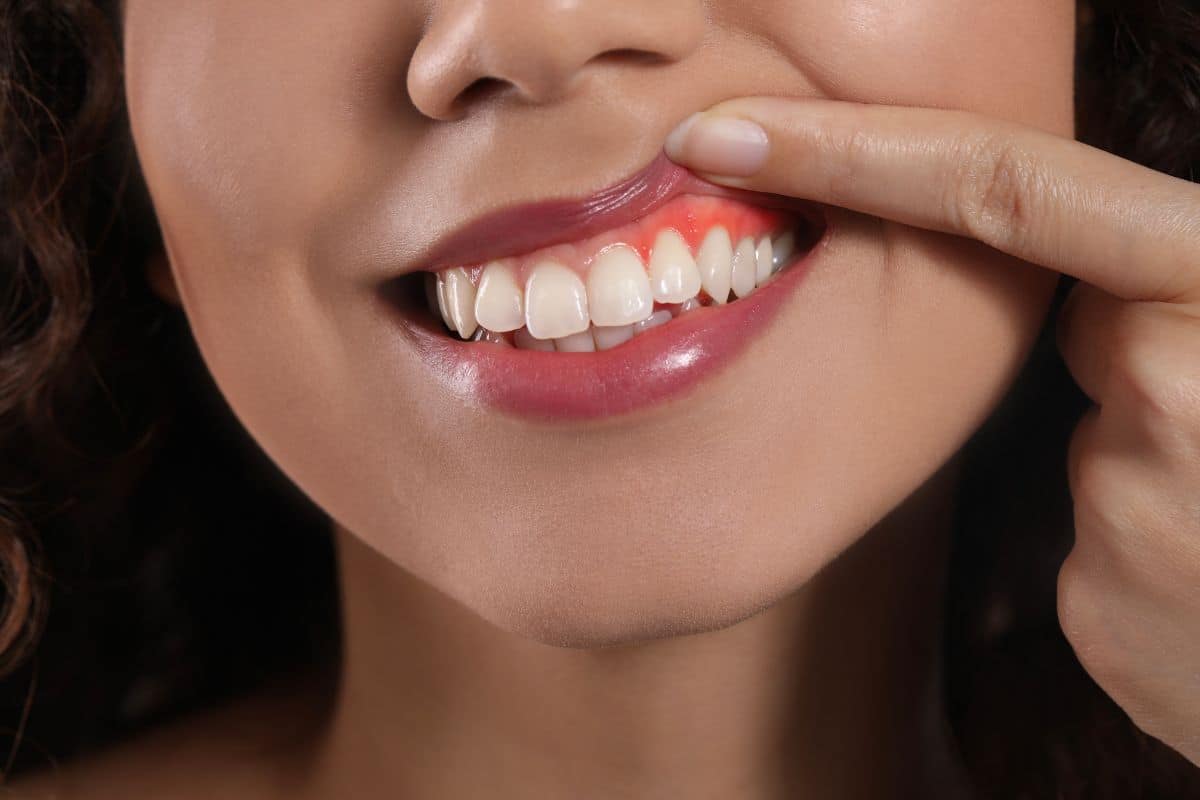
2. Your Gums Look Red or Swollen
Healthy gums generally have a firm appearance and a consistent pink color. Red, puffy, or swollen tissue can signal irritation.
You may notice swelling around one tooth or across several areas. The tissue might also feel tender when you brush or eat.
Inflammation often develops when plaque stays around the gumline. Therefore, improving your cleaning routine can help, but persistent swelling still deserves a professional evaluation.
Look for Changes in Your Gumline
When you brush, take a quick look at your gums. You do not need to inspect them constantly, but noticing changes can help you catch problems early.
Look for:
- Redness
- Puffiness
- Tender areas
- Changes in gum shape
- Bleeding
- Areas that look different from the surrounding tissue
If the appearance changes and does not improve, tell your dentist.
3. Persistent Bad Breath
Bad breath can happen after eating certain foods or when you wake up. However, ongoing unpleasant breath may point to bacteria buildup or another dental concern.
Plaque contains bacteria, and areas around the gums can trap bacteria when cleaning remains incomplete. As a result, bad breath may continue even after brushing.
If you regularly notice an unpleasant taste or odor that does not improve with good brushing, flossing, and tongue cleaning, consider discussing it with your dentist.
Do Not Rely Only on Mouthwash
Mouthwash can freshen your breath, but it does not replace brushing and cleaning between your teeth.
If an underlying gum problem causes the odor, masking it temporarily will not address the source. A professional examination can help identify the cause.
4. Your Gums Feel Tender
Healthy gum tissue should not consistently hurt during everyday activities.
Tenderness can develop from several causes, including irritation, aggressive brushing, plaque buildup, or infection. If the soreness continues or appears alongside swelling or bleeding, pay closer attention.
You may feel discomfort when:
- Brushing
- Flossing
- Eating
- Touching the gum
- Using certain dental products
Persistent tenderness deserves an evaluation rather than repeated self-treatment.
5. Your Gums Are Pulling Away From Your Teeth
Another warning sign occurs when the gums appear to move away from the teeth.
You may notice that your teeth look longer than they used to. You might also see more of the tooth near the gumline.
This change can expose areas that normally remain protected by gum tissue. It can also increase sensitivity and make cleaning more challenging.
Do not assume that a changing gumline simply comes with age. Several factors can contribute to gum recession, so a dental professional should evaluate the cause.
6. Your Teeth Feel Loose
Loose teeth require prompt attention.
Your gums and the supporting structures beneath them help keep teeth stable. Advanced gum problems can damage these supporting tissues, potentially causing teeth to loosen.
However, gum disease is not the only possible reason for tooth mobility. Injury, grinding, infection, and other dental conditions can also play a role.
If a tooth feels different when you bite or seems to move when you touch it, contact your dental provider.
Why Tooth Mobility Matters
A loose tooth may indicate that the tissues supporting it need attention. Early evaluation gives your dentist a better opportunity to determine what is happening and recommend appropriate care.
7. You Notice Pus Around Your Gums
Pus near the gumline or between your gums and teeth can indicate infection.
You may notice it as a small amount of fluid, swelling, or an unpleasant taste. You might also experience tenderness in the same area.
Do not squeeze or attempt to drain the area yourself. An infection can require professional treatment, especially if swelling or pain develops.
Seek prompt dental care if you notice pus, facial swelling, significant pain, or other signs of infection.
8. Your Teeth Feel More Sensitive
Sensitivity can occur when gum tissue recedes and exposes parts of the tooth that normally remain covered.
You might experience a quick sharp sensation when you consume:
- Cold drinks
- Hot foods
- Sweet foods
- Acidic foods
- Cold air
Sensitivity has many possible causes, so it does not automatically mean you have a gum problem. However, new or worsening sensitivity deserves attention, particularly when it occurs alongside bleeding or gum recession.
9. Your Bite Feels Different
Changes in the way your teeth come together can signal a problem that needs evaluation.
If your bite feels different, one tooth may seem to contact another before the rest. You may also notice discomfort while chewing or a change in how certain teeth meet.
Supporting tissue changes can affect how teeth feel and function. However, several other conditions can also change your bite.
Therefore, mention any noticeable change during your dental examination.
10. You Have Recurring Gum Swelling
One episode of mild swelling does not always indicate a serious problem. Recurring swelling, however, deserves attention.
If the same area becomes swollen repeatedly, something may continue to irritate the tissue.
Keep track of:
- Which area swells
- How frequently it happens
- Whether it bleeds
- Whether you experience pain
- Whether food gets trapped nearby
- Whether the swelling improves after cleaning
These details can help your dentist understand the situation.
11. Your Teeth Appear to Shift
Changes in tooth position can happen for several reasons. When supporting structures become compromised, teeth may gradually change position.
You may notice:
- New gaps
- Teeth that seem more crowded
- A change in the way your teeth meet
- Movement of a tooth that previously stayed in one position
A shift does not automatically mean you have gum disease. Still, an unexplained change deserves a professional examination.
What Causes Gum Problems to Develop?
Plaque plays a major role in many gum problems. It forms as bacteria combine with food particles and saliva. If you do not remove plaque regularly, it can irritate the gumline.
Several factors may increase your risk, including:
Inconsistent Oral Hygiene
Skipping brushing or cleaning between teeth allows plaque to remain around areas that need regular attention.
Smoking and Tobacco Use
Tobacco can negatively affect gum health and make it harder for the tissues to recover.
Certain Health Conditions
Some medical conditions can affect the body’s response to infection and inflammation. Your dentist should know about relevant health conditions and medications.
Hormonal Changes
Changes during puberty, pregnancy, and other life stages can affect gum sensitivity and inflammation.
Genetics
Some people may have a greater tendency to develop gum problems despite maintaining good habits.
Teeth Grinding
Repeated pressure from clenching or grinding can put additional stress on teeth and their supporting structures.
How Dentists Check for Gum Disease
A dental examination can reveal problems that you may not notice at home.
Your dentist may examine:
- Gum color and shape
- Bleeding
- Swelling
- Gum recession
- Plaque and tartar
- Tooth mobility
- Areas around dental restorations
- The supporting structures around teeth
Depending on your needs, your dentist may also use dental X-rays or other diagnostic tools to evaluate areas below the gumline.
Designer Dentistry & Smiles Sioux Falls emphasizes advanced technology, personalized care, and comprehensive dental services. The practice also offers laser treatment for gum disease when appropriate.
Can Gum Disease Be Prevented?
You cannot control every risk factor, but daily habits can significantly support healthy gums.
Brush Twice a Day
Use a soft-bristled toothbrush and fluoride toothpaste. Brush gently along the gumline rather than scrubbing aggressively.
Clean Between Your Teeth
Floss or use another interdental cleaning method every day. This step removes plaque from areas your toothbrush cannot reach effectively.
Limit Frequent Sugary Snacks
Frequent sugar exposure can contribute to plaque activity and increase the risk of tooth decay. Choosing balanced meals and limiting frequent sugary snacks supports overall dental health.
Avoid Tobacco
Avoiding tobacco can support healthier gums and reduce several oral health risks.
Keep Regular Dental Visits
Routine examinations allow your dental team to monitor your gums and identify changes early. The practice notes that many patients benefit from checkups and cleanings every six months, although some people need more frequent care based on their individual needs.
When Should You Seek Dental Care?
You do not need to wait until you experience severe pain.
Schedule an evaluation if you notice recurring:
- Bleeding
- Swelling
- Redness
- Bad breath
- Gum tenderness
- Recession
- Tooth sensitivity
- Changes in tooth position
- Loose teeth
More urgent symptoms include significant swelling, severe pain, pus, fever, or difficulty swallowing or breathing. These symptoms can indicate an infection that requires prompt attention.
Knowing the signs of gum disease can help you protect your smile before a small concern becomes a larger problem. Bleeding, redness, swelling, persistent bad breath, tenderness, gum recession, sensitivity, loose teeth, and changes in your bite should not become part of your normal routine.
Early attention can make a meaningful difference. Good brushing, daily cleaning between teeth, healthy habits, and regular professional care all support healthier gums.
At Designer Dentistry & Smiles Sioux Falls, Dr. Nichole Cauwels, Dr. Kendra Zuercher, and Dr. Cassondra Heinz provide personalized care for patients of all ages. The practice focuses on comfort, prevention, advanced techniques, and comprehensive treatment options for maintaining healthy smiles.
Schedule your appointment at the Sioux Falls office if you have noticed changes in your gums and want a professional evaluation.