6100 W. 41st St. Sioux Falls, SD 57106
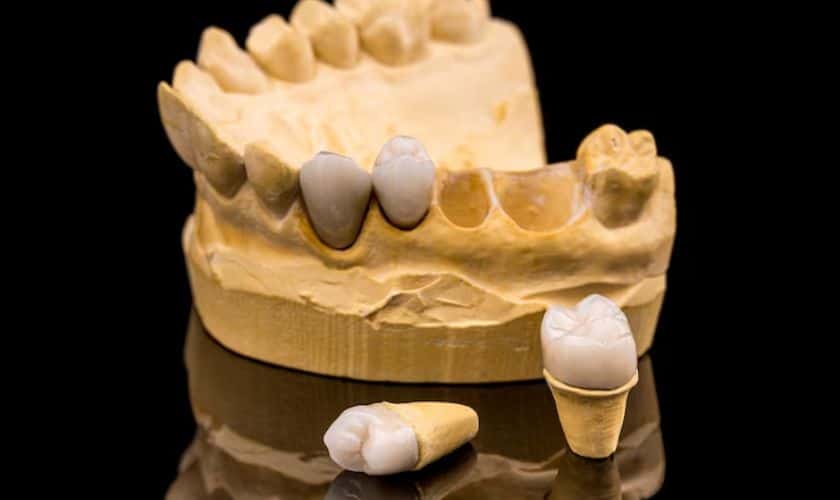
Dental crowns are a fantastic restorative dentistry solution, offering durability and a natural-looking restoration for damaged or weakened teeth. They essentially act like a cap, encasing the entire tooth structure above the gum line. While dental crowns are built to last for many years, there can be instances where they become loose or fall out entirely. Understanding the reasons behind this can help you maintain your crown and prevent future issues.
Common Reasons Why Dental Crowns Fall Out
Several factors can contribute to a dental crown coming loose or falling out. Here’s a breakdown of the most common culprits:
1. Improper Fit or Construction: In some cases, the crown itself might not be meticulously crafted or fitted to your tooth. This can happen due to various reasons, such as inaccuracies during the impression process or errors in the dental lab’s fabrication. An ill-fitting crown creates an improper seal, allowing bacteria to infiltrate the space between the tooth and the crown. Over time, this can lead to decay and compromise the crown’s stability.
2. Deterioration of Dental Cement: The dental cement used to secure the crown to your tooth can weaken over time due to constant chewing and exposure to fluids in the mouth. This weakening bond can cause the crown to become loose and eventually fall out.
3. Teeth Grinding (Bruxism): If you grind or clench your teeth unconsciously (bruxism), it can exert excessive pressure on your dental crown. This persistent force can gradually loosen the crown and make it more susceptible to coming loose or fracturing.
4. Recurring Tooth Decay: Even with a crown in place, decay can develop around the edges or underneath it, especially if proper oral hygiene isn’t maintained. This decay weakens the tooth structure further, jeopardizing the crown’s hold.
5. Microleakage: This refers to tiny gaps that can develop between the crown and the tooth over time. These gaps allow bacteria and food particles to accumulate, potentially leading to decay and weakening the bond between the crown and the tooth.
6. Eating Habits: Chewing on very hard or sticky foods can put undue stress on the crown, potentially dislodging it.
7. Insufficient Tooth Structure: If there’s not enough healthy tooth structure remaining to support the crown, it might not have a strong foundation to hold on to. This can be a concern for teeth that have undergone significant damage before crown placement.
Signs That Your Dental Crown Might Be Loose
Being aware of the following signs can help you identify potential problems with your dental crown early on:
1. Sensitivity or Pain: If you experience discomfort or pain around the crowned tooth, especially when chewing, it could indicate a loose crown or underlying decay.
2. Slight Mobility: A crown shouldn’t move when you touch it. If you feel any movement, it’s a sign that the crown might be becoming loose.
3. Chipping or Cracking: Damage to the crown itself can compromise its integrity and increase the risk of it falling out.
4. Discomfort When Biting: If you experience discomfort when biting down on food, it could be due to a loose crown or a problem with the underlying tooth.
What to Do If Your Dental Crown Falls Out
If your dental crown falls out, don’t panic! Here’s how to handle the situation:
-
Locate the Crown: Try to find the crown if possible. If you do, handle it with care, avoiding touching the inner surface that comes in contact with your tooth.
-
Schedule an Appointment Immediately: Contact your dentist as soon as possible to schedule an appointment to have the crown re-cemented or replaced, depending on the situation.
-
Protect the Exposed Tooth: While waiting for your appointment, you can try to temporarily protect the exposed tooth by placing a small piece of sugar-free gum over the area. However, avoid chewing on it.
Tips for Preventing Dental Crown Issues
Here are some practical steps you can take to minimize the risk of your dental crown falling out and ensure its longevity:
1. Maintain Excellent Oral Hygiene: Brushing your teeth twice a day with fluoride toothpaste and flossing daily is crucial for removing plaque and bacteria that can contribute to decay and weaken the crown’s bond.
2. Schedule Regular Dental Checkups: Regular dental checkups and cleanings by your dentist allow for early detection of any potential issues with your crown, enabling timely intervention.
3. Avoid Chewing Hard or Sticky Foods: Refrain from chewing on hard candies, ice, or very sticky foods that can put undue stress on the crown and potentially dislodge it.
4. Wear a Mouthguard: If you grind or clench your teeth, wearing a mouthguard at night can help protect your crown from the excessive forces associated with bruxism
Treatment Options for Loose or Lost Dental Crowns
The course of treatment for a loose or lost dental crown will depend on the specific situation. Here’s what you can expect:
1. Re-cementing the Crown: If the crown is intact and the underlying tooth structure remains healthy, your dentist might be able to re-cement the crown back onto your tooth. This procedure usually involves cleaning the tooth and crown thoroughly, applying fresh dental cement, and securely positioning the crown.
2. Replacing the Crown: In cases where the crown is damaged, significantly worn down, or the underlying tooth has suffered decay, a replacement crown might be necessary. This process typically involves removing the old crown, taking new impressions of your tooth, and fabricating a new crown that seamlessly integrates with your smile.
3. Root Canal and Crown: If the loose crown is due to decay reaching the pulp of the tooth (the inner chamber containing nerves and blood vessels), a root canal procedure might be required before placing a new crown. This treatment involves removing the infected pulp, cleaning and disinfecting the tooth canal, and sealing it with a filling material. Subsequently, a new crown is placed to restore functionality and aesthetics.
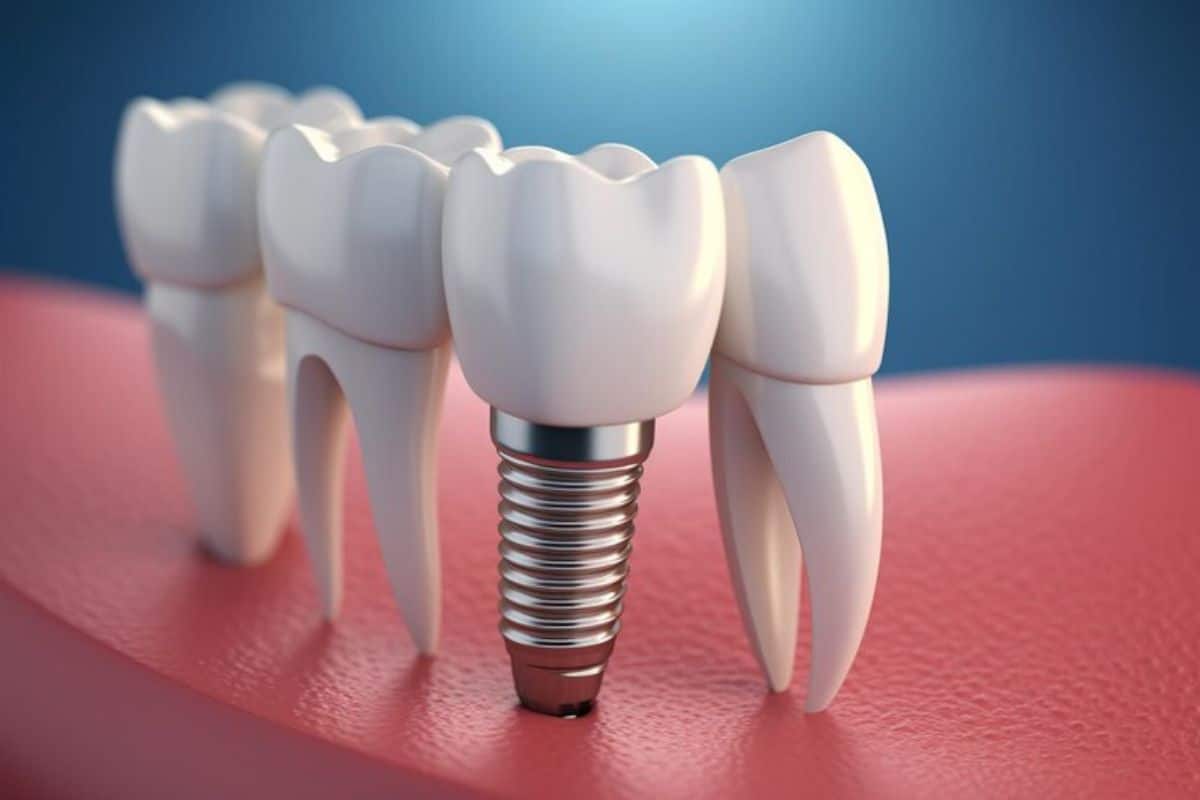
4. Dental Implants and Crowns: In situations where the underlying tooth structure is insufficient to support a crown, dental implants might be a viable option. Dental implants are small, biocompatible posts surgically inserted into the jawbone to act as artificial tooth roots. Once healed and integrated with the jawbone, an abutment is attached to the implant, serving as a foundation for a custom-made crown.
Dental crowns are a valuable restorative dental tool, but like any dental restoration, they require proper care and maintenance to last for many years. By understanding the reasons why dental crowns fall out, recognizing the warning signs, and practicing preventive measures, you can significantly increase the lifespan of your crown and maintain a healthy, beautiful smile. If you experience any issues with your dental crowns in Sioux Falls, don’t hesitate to contact a qualified dentist for prompt evaluation and treatment. With proper care and attention, your dental crown can continue to serve you well for years to come.