6100 W. 41st St. Sioux Falls, SD 57106
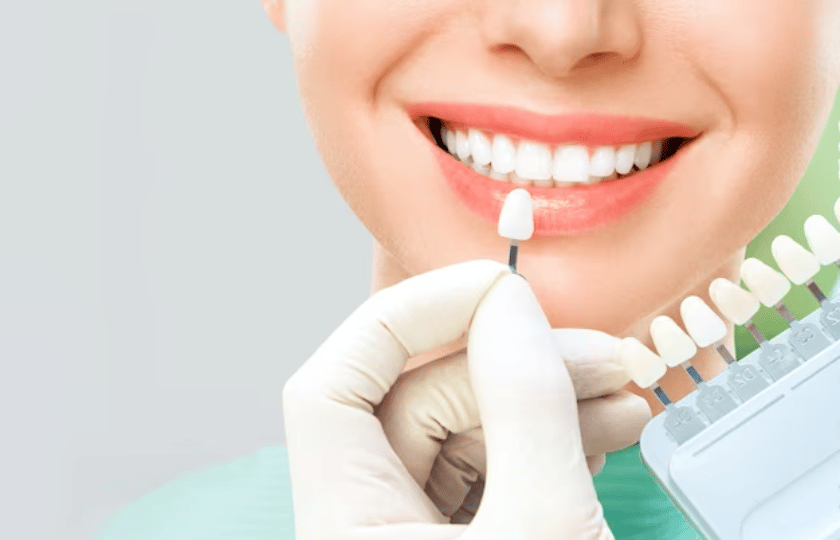
Dental veneers are a popular cosmetic dentistry treatment that can transform your smile. These thin shells of porcelain or composite resin are bonded to the front surface of your teeth, concealing chips, cracks, discoloration, gaps, and minor misalignment.
If you’re considering veneers to achieve a dazzling smile, a crucial question likely lingers in your mind: how long do veneers last? While there’s no one-size-fits-all answer, this blog post dives deep into the factors affecting veneer lifespan and offers tips to maximize their longevity.
Factors Affecting Veneer Lifespan
Several key factors influence the lifespan of your dental veneers. Here’s a breakdown of the most important ones:
1. The Material Matters:
The type of material used for your veneers significantly impacts their durability. Let’s explore the two most common options:
- Porcelain Veneers: These are the gold standard for veneers, renowned for their exceptional strength, stain resistance, and ability to mimic the natural light-reflecting properties of teeth. Porcelain veneers can last anywhere from 10 to 15 years, sometimes even longer with meticulous care.
- Composite Resin Veneers: While a more affordable option, composite resin veneers typically last between 4 to 8 years. They are more susceptible to chipping and staining compared to porcelain.
2. Brushing and Flossing Habits:
Just like your natural teeth, veneers require a consistent oral hygiene routine to maintain their beauty and integrity. Here’s how your brushing and flossing habits influence veneer lifespan:
- Brushing: Brush your teeth twice daily with a soft-bristled toothbrush and fluoride toothpaste. This removes plaque and food particles that can contribute to the wear and tear of the veneers.
- Flossing: Flossing daily removes plaque and debris from between your teeth and around the gum line, preventing gum disease and potential veneer loosening.
3. Dietary Choices:
While dental veneers are quite durable, certain dietary choices can affect their lifespan. Here are some tips:
- Enjoy crunchy fruits and vegetables in moderation: While healthy, hard foods like apples, carrots, or raw broccoli can chip or crack veneers if bitten with excessive force. Cut them into smaller pieces before consuming.
- Beware of hard candies and nuts: These hard substances can easily damage veneers. Opt for softer snacks or break nuts into smaller pieces before chewing.
- Limit staining beverages: Coffee, tea, red wine, and certain sodas can stain veneers over time. Rinse your mouth with water after consuming these beverages to minimize staining.
4. Habits and Lifestyle Considerations
Certain habits and lifestyle factors can also impact veneer lifespan:
- Teeth grinding (bruxism): If you grind or clench your teeth, a cosmetic dentist might recommend wearing a nightguard to protect your veneers from excessive wear and tear.
- Nail biting: This habit can chip or crack veneers. Consider stress management techniques or wearing a retainer to curb nail biting.
- Using your teeth for non-food purposes: Opening bottles or packages with your teeth can damage veneers. Utilize appropriate tools for such tasks.
Dental veneers can be a transformative investment in your smile, offering significant aesthetic and functional benefits. With the right material choice, meticulous oral hygiene, dietary awareness, and lifestyle adjustments, you can reap the rewards of your veneers for many years to come.