6100 W. 41st St. Sioux Falls, SD 57106
Understanding When It’s Time for a New Crown—And Why It Matters
Dental crowns are a reliable solution for restoring damaged or weakened teeth, offering both protection and a natural appearance. While many can last for years, their replacement isn’t determined by age alone. More important than how long a dental cap lasts is how well it continues to function and protect the tooth underneath.
At Designer Dentistry & Smiles, we believe that understanding the signs of crown failure and the reasons behind them is essential for long-term oral health. This blog explores the real factors that indicate when a dental cap needs to be replaced, helping patients stay informed, proactive, and confident in their dental care.
Dental Crowns: More Than a Cosmetic Fix
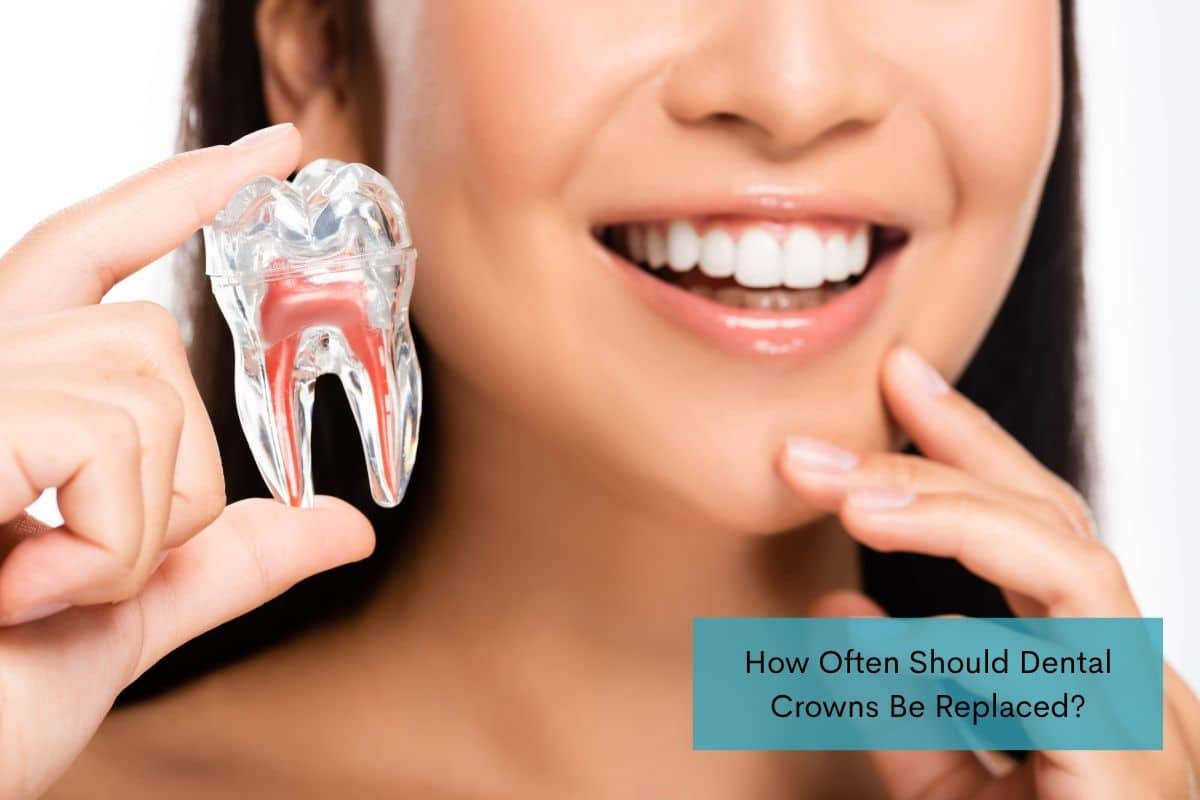
A dental crown is like a protective shell or “cast” for a tooth that’s been compromised by decay, cracks, or old fillings. It’s not a replacement tooth; it’s a restoration that preserves your natural tooth underneath. While some patients may go decades without an issue, others may require replacement much sooner based on oral health, daily habits, or how the dental cap was initially placed.
When Should a Crown Be Replaced?
1. Pain or Sensitivity Around the Crown
Discomfort when chewing or sensitivity to hot and cold might indicate an issue underneath the crown, such as decay or a failing seal. Don’t ignore it. If you’re noticing this discomfort, it’s time for an evaluation.
2. Visible Damage
Dental caps are strong, but they aren’t invincible. Chips, cracks, or rough edges can compromise the crown’s ability to protect the tooth. Even minor fractures can lead to bigger problems if left untreated.
3. Receding Gums
If the gums around your dental cap are pulling back, it can expose the margins of the cap or the tooth root, increasing the risk of decay or gum disease. Gum recession also affects how the tooth cap looks, especially if it’s in your smile zone.
4. Dark Lines Near the Gums
Many older tooth caps, especially PFMs (porcelain-fused-to-metal), may develop a dark line at the gumline over time. While this is often just cosmetic, it may signal that your dental cap is outdated or the gum tissue has shifted, exposing the metal underneath.
5. Loose Crown or Shifting Fit
A dental cap should feel secure. If it starts to feel loose, wiggles, or doesn’t align with your bite anymore, something’s not right. Over time, shifts in your natural teeth or jaw can affect the way a crown fits.
6. New Decay
Even though a crown covers the tooth, the natural structure underneath is still vulnerable. Decay can develop at the edges or under the dental cap, especially if oral hygiene slips or the tooth cap wasn’t sealed properly.
What Causes a Crown to Fail?
Several factors can shorten the life of a dental crown:
- Poor oral hygiene, leading to decay or gum disease
- Teeth grinding (bruxism) or jaw clenching
- Trauma or injury to the mouth
- Bite misalignment that stresses the tooth cap unevenly
- Aging dental work or older materials that don’t hold up as well
Don’t Wait Until It Hurts
The best time to check on a tooth cap is before it starts causing problems. If you notice any of the signs above or if it’s been a while since your last checkup, it’s a smart move to schedule a visit. Replacing a tooth cap can prevent tooth loss, infection, or more invasive treatments down the line.
We work closely with each patient to evaluate the condition of their dental restorations and recommend replacements only when truly necessary. Our goal is always to preserve as much of your natural tooth as possible while maintaining a strong, healthy, and attractive smile.
If you’re worried about getting a tooth cap that looks fake or out of place, rest assured—we’ve been creating beautiful, porcelain crowns right here in Sioux Falls using the same-day CAD/CAM technology for nearly a decade. No metal lines, no temporary crowns, no waiting weeks. You walk in, and you walk out with a strong, natural-looking tooth cap that blends seamlessly with your smile.
Final Thoughts
Dental crowns don’t follow an expiration calendar, but they do show signs when they need to be replaced. Whether you’re noticing discomfort or changes in appearance, or haven’t had your tooth cap checked in a while, staying proactive is the key to avoiding bigger issues.
Do you have questions or think your crown might need a second look? Visit our dental office in Sioux Falls today.