6100 W. 41st St. Sioux Falls, SD 57106
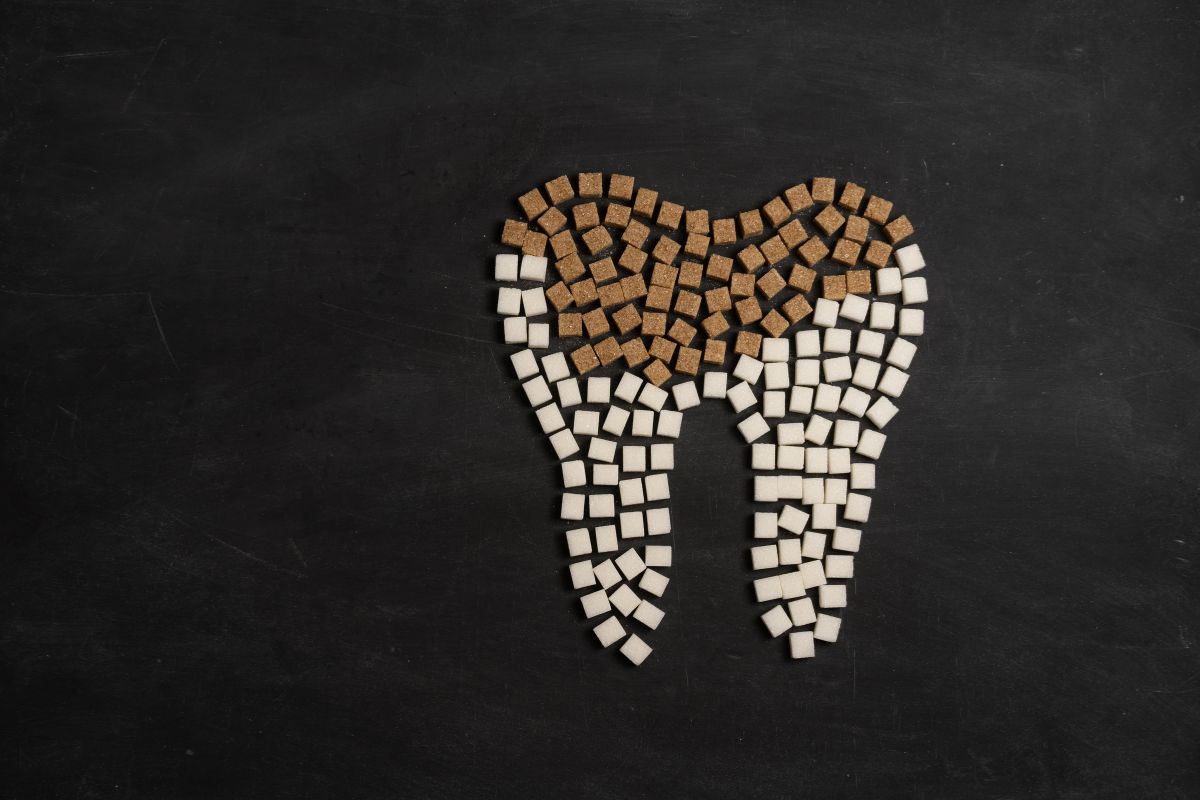
Tooth decay is one of the most common dental issues, affecting millions of people worldwide. While it often starts as a minor problem, ignoring it can lead to severe pain, tooth loss, and even serious health complications. Understanding what happens if you leave a decayed tooth untreated can help you make timely decisions to protect your oral and overall health.
Understanding Tooth Decay
Tooth decay occurs when the bacteria in your mouth produce acids that slowly erode the tooth enamel. Plaque, a sticky film that forms on teeth, is the main culprit. When sugars from food and drinks mix with plaque, acid is created, which attacks the enamel and eventually the deeper layers of the tooth.
In the early stages, tooth decay might show up as white spots or slight sensitivity, which many people ignore. However, if left untreated, the decay progresses to the dentin—the layer beneath the enamel—and eventually reaches the pulp, where nerves and blood vessels are located. This is when tooth decay treatment becomes essential to prevent pain, infection, and serious complications.
Short-Term Consequences of Ignoring Decay
Even before serious complications arise, untreated tooth decay can affect your day-to-day life:
-
Pain and Sensitivity: Decay can make teeth sensitive to hot, cold, or sweet foods, causing discomfort during meals.
-
Worsening Cavities: Small cavities expand over time, making dental treatments more complex and expensive.
-
Bad Breath: Bacterial buildup from untreated decay can cause chronic bad breath, affecting confidence and social interactions.
Ignoring these early warning signs can make treatment more difficult and costly later on.
Long-Term Oral Complications
If decay is left untreated for months or years, it can lead to significant oral health issues:
-
Tooth Infection (Abscess):
When decay reaches the pulp, bacteria can cause a painful infection called a dental abscess. This may lead to swelling, pus formation, and severe discomfort that sometimes spreads to the jaw and face. -
Tooth Loss:
Advanced decay can destroy the tooth structure, making extraction the only option. Losing a tooth affects chewing, speaking, and the alignment of surrounding teeth. -
Spread to Neighboring Teeth:
If a decayed tooth is left untreated, the bacteria can affect the surrounding teeth and gums, increasing the risk of gum disease and further cavities.
Impact on Overall Health
Many people assume that a decayed tooth is only a dental issue, but the reality is that oral health is closely linked to overall health. Untreated tooth decay can lead to:
-
Heart Problems: Bacteria from an infected tooth can enter the bloodstream and attach to heart valves, leading to a condition called endocarditis.
-
Respiratory Infections: Bacteria from the mouth can be inhaled into the lungs, increasing the risk of pneumonia and other respiratory problems.
-
Diabetes Complications: Dental infections can make blood sugar management harder, worsening diabetes.
-
Pregnancy Risks: Untreated dental infections may contribute to preterm birth and low birth weight in babies.
These risks highlight the importance of addressing tooth decay as soon as possible.
When to See a Dentist
It’s crucial to consult a dentist promptly if you notice:
-
Persistent toothache or sensitivity
-
Swelling in gums or face
-
Fever or pus around a tooth
-
Difficulty chewing or biting
Recognizing the early signs of tooth decay allows for prompt treatment, which can prevent the progression of decay and help you avoid complex procedures in the future.
Preventive Measures to Avoid Tooth Decay
Prevention is always better than cure. Here’s how you can protect your teeth from decay:
-
Brush Twice Daily: Use fluoride toothpaste to strengthen enamel.
-
Floss Daily: Remove plaque and food particles between teeth.
-
Limit Sugary Foods and Drinks: Sugar fuels the bacteria that cause decay.
-
Regular Dental Check-Ups: Visit your dentist every six months for cleanings and early detection of cavities.
These habits can significantly reduce your risk of tooth decay and related health problems.
Treatment Options for Decayed Teeth
If you already have tooth decay, there are several effective treatment options:
-
Dental Fillings: Suitable for early-stage cavities. The decayed portion is removed, and the tooth is filled to restore function.
-
Crowns: Recommended for large decay that weakens the tooth structure. Crowns protect the tooth from further damage.
-
Root Canal Therapy: Needed when decay reaches the pulp, removing the infection while saving the tooth.
-
Extraction: When a tooth is too damaged to save, removal may be necessary, followed by options like dental implants or bridges.
A decayed tooth is not just a minor dental issue—it’s a potential source of infection that can affect your overall health. Early detection, preventive care, and timely treatment are essential to avoid pain, infection, and serious complications. Don’t ignore the warning signs; schedule your appointment with Designer Dentistry Sioux Falls and take proactive steps to protect your smile and well-being.