6100 W. 41st St. Sioux Falls, SD 57106
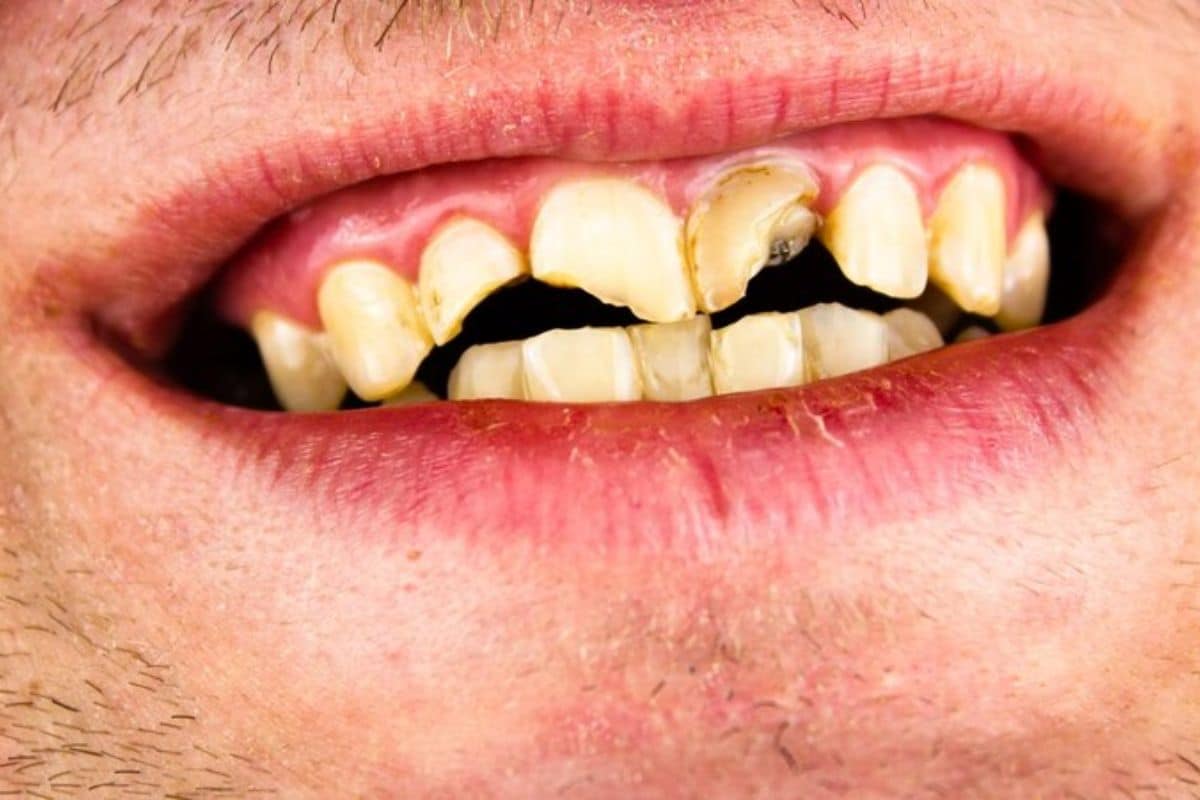
Tooth decay is a common dental issue that affects people of all ages. Left untreated, it can lead to pain, infection, and even tooth loss. Thankfully, modern dentistry offers various treatments to effectively address and prevent decay. In this blog, we’ll explore the best treatments for tooth decay, highlighting how a dentist can help restore your oral health.
Understanding Tooth Decay: Causes and Symptoms
Tooth decay, also known as dental caries, occurs when plaque—a sticky film of bacteria—builds up on the surface of teeth. The bacteria in plaque feed on sugars from food and beverages, producing acids that erode the tooth enamel. Over time, this erosion leads to cavities, small holes, or openings in the teeth.
Common Causes of Tooth Decay:
- Poor Oral Hygiene: Inadequate brushing and flossing allow plaque to accumulate.
- Diet High in Sugars and Carbohydrates: Foods and drinks like candy, soda, and bread contribute to decay.
- Dry Mouth: A lack of saliva, which helps wash away food particles and neutralize acids, increases the risk.
- Frequent Snacking: Constant snacking or sipping sugary drinks gives bacteria more fuel to produce acids.
Symptoms of Tooth Decay:
- Tooth sensitivity, especially to sweets, and hot, or cold drinks.
- Visible holes or pits in the teeth.
- Brown, black, or white staining on the tooth surface.
- Toothache or pain when biting down.
Best Treatments for Tooth Decay
The appropriate treatment for tooth decay depends on the severity of the condition. Early detection and prompt intervention by a dentist are crucial for successful outcomes. Here’s a breakdown of the most effective treatments for tooth decay:
1. Fluoride Treatments
Ideal for: Early-stage tooth decay (white spots)
Fluoride is a mineral that strengthens tooth enamel and can even reverse early decay. Dentists often recommend fluoride treatments for patients at the onset of decay. These treatments can be administered as a gel, foam, varnish, or rinse. Regular fluoride applications help remineralize weakened enamel, preventing the progression of cavities.
2. Dental Fillings
Ideal for: Mild to moderate cavities
Dental fillings are one of the most common solutions for treating cavities. When decay has progressed beyond the enamel and formed a cavity, a filling is used to restore the tooth’s structure. The dentist removes the decayed portion of the tooth, cleans the area, and fills it with materials such as composite resin, amalgam, or porcelain.
Benefits of Dental Fillings:
- Quick and relatively painless procedure.
- Can be color-matched to blend with your natural teeth.
- Restores normal function and appearance.
3. Dental Crowns
Ideal for: Extensive decay or weakened teeth
When a tooth is severely decayed or structurally compromised, a dental crown may be necessary. A crown is a custom-made cap that fits over the entire tooth, protecting it from further damage. The dentist first removes the decayed portion of the tooth, shapes it, and then places a crown made of porcelain, metal, or ceramic.
Benefits of Dental Crowns:
- Provides strong protection for the tooth.
- Restores the tooth’s appearance and function.
- Long-lasting solution for significant decay.
4. Root Canal Therapy
Ideal for: Decay that has reached the tooth’s pulp
When decay reaches the innermost layer of the tooth, the pulp, it can cause severe pain and infection. A root canal is performed to save the tooth. The dentist removes the infected pulp, cleans the root canals, and fills them with a biocompatible material. The tooth is then sealed with a filling or crown.
Benefits of Root Canal Therapy:
- Saves the natural tooth from extraction.
- Eliminates pain and infection.
- Restores normal function.
5. Tooth Extraction
Ideal for: Severe decay beyond repair
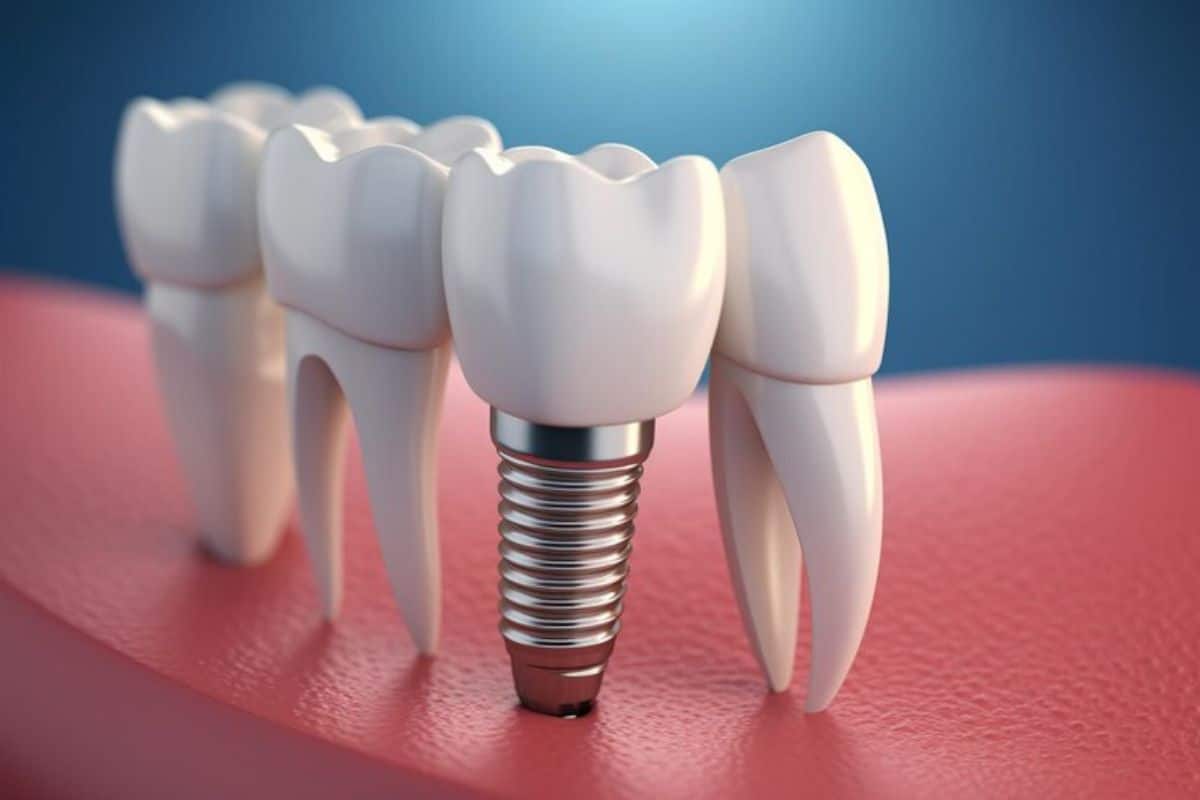
In cases where tooth decay is so advanced that the tooth cannot be saved, extraction is necessary. While not ideal, removing the tooth prevents the spread of infection to surrounding teeth and gums. Post-extraction, options like dental implants, bridges, or dentures can replace the missing tooth and restore your smile.
Benefits of Tooth Extraction:
- Prevents the spread of severe infection.
- Relieves pain and discomfort.
- Allows for replacement options that restore function.
Essential Tips to Preventing Tooth Decay
Preventing tooth decay is always better than treating it. Here are some practical steps to protect your teeth from decay:
- Brush and Floss Daily: Brush your teeth at least twice a day with fluoride toothpaste and floss once a day to remove plaque.
- Limit Sugary Foods and Drinks: Reduce your intake of sugary snacks and beverages, and opt for healthier options like fruits, vegetables, and water.
- Regular Dental Checkups: Visit your dentist at least twice a year for cleanings and checkups. Regular visits allow your dentist to spot early signs of decay and provide timely treatment.
- Use Dental Sealants: Sealants are protective coatings applied to the chewing surfaces of molars, preventing decay in hard-to-reach areas.
- Stay Hydrated: Drink plenty of water to maintain saliva flow, which helps neutralize acids and wash away food particles.
The best treatment for tooth decay depends on the extent of the damage. From fluoride treatments to dental fillings and crowns, your dentist can recommend the most appropriate solution for your needs. By maintaining good oral hygiene, limiting sugary foods, and visiting a dentist regularly, you can protect your teeth from decay and keep your smile healthy.
If you’re concerned about tooth decay or need expert advice, consult with a dentist in Sioux Falls, SD, to explore your treatment options and restore your oral health today!