6100 W. 41st St. Sioux Falls, SD 57106
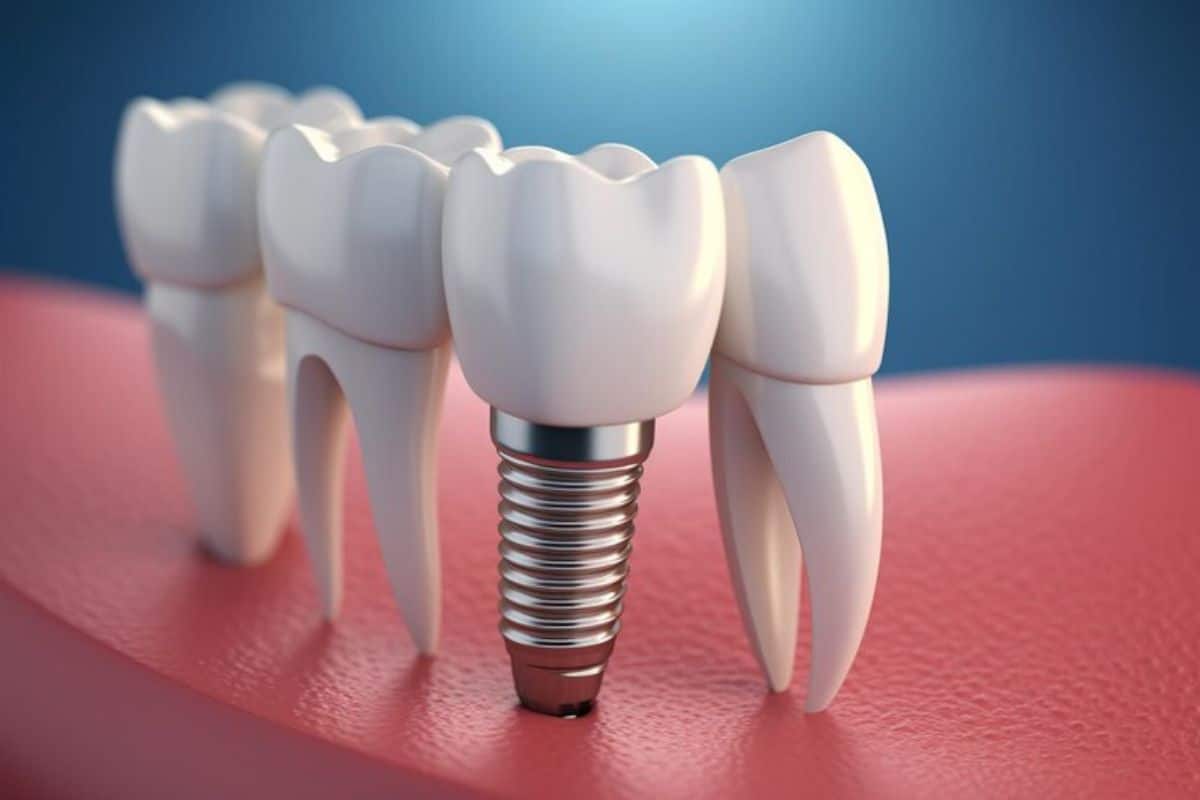
Tooth loss can be a challenging experience, both emotionally and physically. While dental implants are a popular choice for tooth replacement, they might not be suitable for everyone due to various factors like cost, health conditions, or personal preferences. Fortunately, several effective alternatives can restore your smile and dental function. This blog will explore the best alternatives to tooth implants, examining the benefits and drawbacks of each option to help you make an informed decision.
Best Alternatives to Tooth Implants
1. Dental Bridges
Dental bridges are a common alternative to tooth implants. They consist of one or more artificial teeth anchored by crowns on adjacent healthy teeth. The artificial teeth, known as pontics, “bridge” the gap left by the missing tooth or teeth, hence the name.
Types of Dental Bridges
There are several types of dental bridges:
- Traditional Bridges: These involve creating crowns for the teeth on either side of the gap and placing a pontic in between. Traditional bridges are durable and can replace multiple teeth.
- Cantilever Bridges: Used when there is only one adjacent tooth next to the gap, these bridges are less common and typically used in areas with less stress, such as the front teeth.
- Maryland Bridges: These bridges use a framework bonded to the back of the adjacent teeth rather than crowns, preserving more of the natural tooth structure.
Pros and Cons of Dental Bridges
Pros:
- Quick Procedure: Dental bridges require less time to complete than implants, often needing only two visits.
- Less Invasive: No surgery is required, making it a suitable option for patients who want to avoid invasive procedures.
- Cost-Effective: Bridges are generally less expensive than dental implants.
Cons:
- Affect Adjacent Teeth: The adjacent teeth must be filed down to place the crowns, which can weaken them.
- Less Longevity: Bridges typically last 5 to 15 years, which is shorter than the lifespan of dental implants.
- Bone Loss: Unlike implants, bridges do not prevent bone loss in the jaw, which can occur over time.
2. Dentures
Dentures are removable prosthetic devices designed to replace missing teeth. They come in two main types: full dentures, which replace all the teeth in the upper or lower jaw, and partial dentures, which replace only a few missing teeth.
Types of Dentures
- Full Dentures: These are used when all teeth are missing in the upper or lower jaw. They rest on the gums and are held in place by suction or adhesive.
- Partial Dentures: These are used when some natural teeth remain. Partial dentures are attached to the remaining teeth with clasps or precision attachments.
Pros and Cons of Dentures
Pros:
- Non-Invasive: Dentures do not require surgery, making them an excellent option for patients who cannot undergo surgical procedures.
- Affordable: Dentures are generally more affordable than dental implants.
- Ease of Adjustment: Dentures can be easily adjusted or replaced as needed.
Cons:
- Stability Issues: Dentures can slip or move, especially while eating or speaking, which can be uncomfortable.
- Bone Loss: Like bridges, dentures do not prevent bone loss in the jaw.
- Maintenance: Dentures require daily cleaning and maintenance, which can be inconvenient for some patients.
3. Resin-Bonded Bridge (Maryland Bridge)
A resin-bonded bridge, also known as a Maryland bridge, is a conservative alternative to traditional bridges and implants. It involves a pontic supported by a metal or porcelain framework that is bonded to the back of adjacent teeth.
Pros and Cons of Resin-Bonded Bridges
Pros:
- Minimally Invasive: Minimal alteration of adjacent teeth is required, preserving more natural tooth structure.
- Aesthetic Appeal: Resin-bonded bridges can provide a natural appearance, especially when porcelain is used for the framework.
- Cost-Effective: These bridges are less expensive than traditional bridges and implants.
Cons:
- Less Durable: Resin-bonded bridges may not be as strong or long-lasting as other options, especially in areas of high biting force.
- Potential for Detachment: The bond can weaken over time, leading to detachment of the bridge.
4. Removable Partial Dentures
Removable partial dentures (RPDs) are an option for patients missing several teeth but not all. These dentures consist of replacement teeth attached to a gum-colored plastic base, which is connected by a metal framework that holds the denture in place.
Pros and Cons of Removable Partial Dentures
Pros:
- Non-Invasive: No surgery or significant alteration of adjacent teeth is required.
- Affordability: RPDs are typically more affordable than implants or fixed bridges.
- Easy Adjustments: Adjustments can be made easily, and the dentures can be removed when needed.
Cons:
- Comfort: RPDs may not be as comfortable as other options, especially if they do not fit well.
- Stability: RPDs can move or slip, leading to discomfort or difficulty with eating and speaking.
- Maintenance: Daily cleaning and regular adjustments are necessary.
While dental implants are a highly effective solution for tooth replacement, they are not the only option. Dental bridges, dentures, and resin-bonded bridges offer viable alternatives that can restore your smile and functionality. Each option has its unique benefits and drawbacks, so it’s crucial to consult with a dentist to determine the best choice for your needs.
For those in Sioux Falls considering dental implants or exploring alternatives, discussing your options with a qualified dentist is essential. Whether you opt for dental implants or another solution, your dentist will guide you toward the best outcome for your oral health and smile.
If you’re looking for dental implants in Sioux Falls or need advice on the best alternative, don’t hesitate to contact a local dental professional who can provide personalized recommendations and care.