6100 W. 41st St. Sioux Falls, SD 57106

Accidents can happen at any time, often when we least expect them. Dental injuries are common, whether from a sports-related mishap, a sudden fall, or even biting down on something hard. Knowing how to handle these injuries promptly can make a significant difference in your oral health. This complete guide to dental injuries will help you understand what to do, the types of injuries that can occur, and when to visit a dentist for professional care.
What is a Dental Injury?
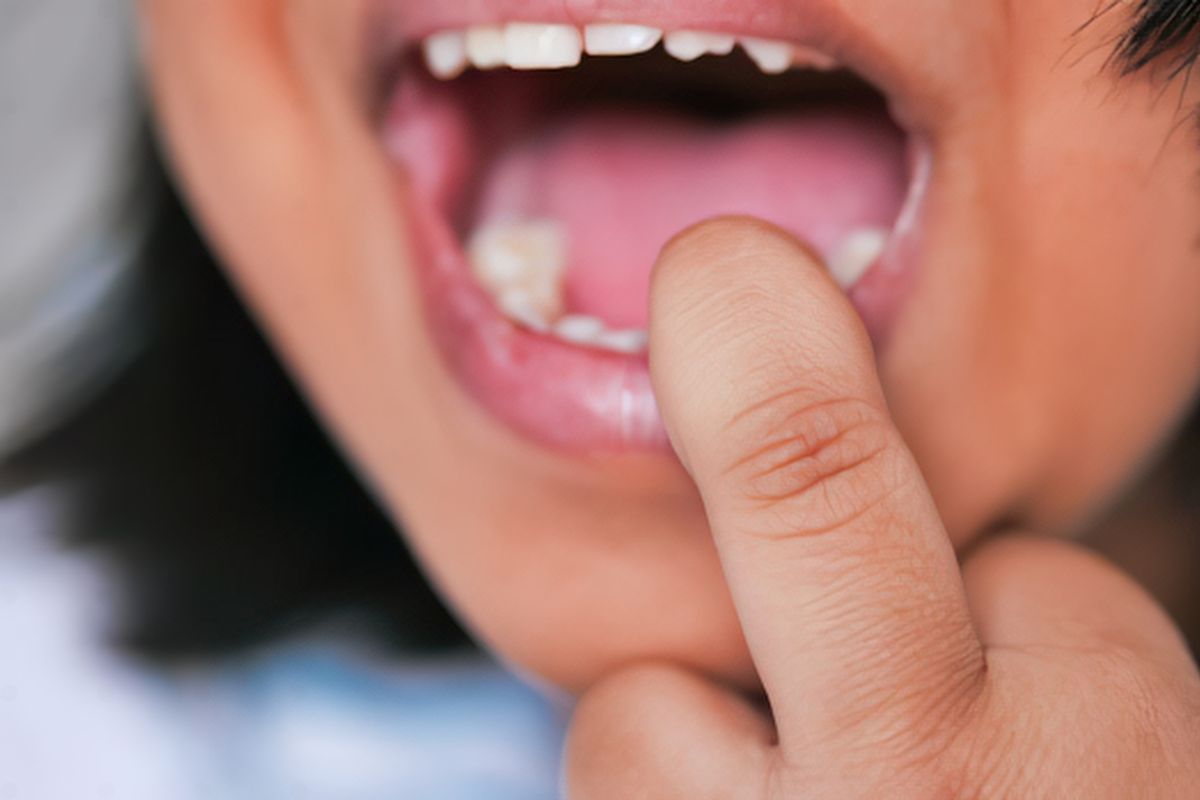
A dental injury refers to any damage to the teeth, gums, or surrounding structures of the mouth due to trauma. These injuries can vary in severity, from minor chips to complete tooth loss. Dental injuries are often painful and, if not treated correctly, can lead to more severe complications like infection, misalignment, or permanent damage.
Common Types of Dental Injuries
Understanding the types of dental injuries can help you identify the issue and seek the appropriate treatment. Here are the most common dental injuries:
1. Chipped or Fractured Tooth
A chipped or fractured tooth occurs when a part of the tooth is broken off due to impact or biting on hard objects. While small chips may not be painful, larger fractures can expose the inner pulp, causing sensitivity and pain.
2. Dislodged or Loose Tooth
A tooth can be knocked loose or partially dislodged from its socket due to trauma. This can cause significant discomfort and may lead to long-term issues if not repositioned and stabilized by a dentist.
3. Knocked-Out Tooth (Avulsion)
A knocked-out tooth is one of the most severe dental injuries. Immediate action is required to save the tooth, ideally within 30 minutes of the incident. Proper handling and prompt dental care can sometimes allow the tooth to be reinserted.
4. Cracked Tooth
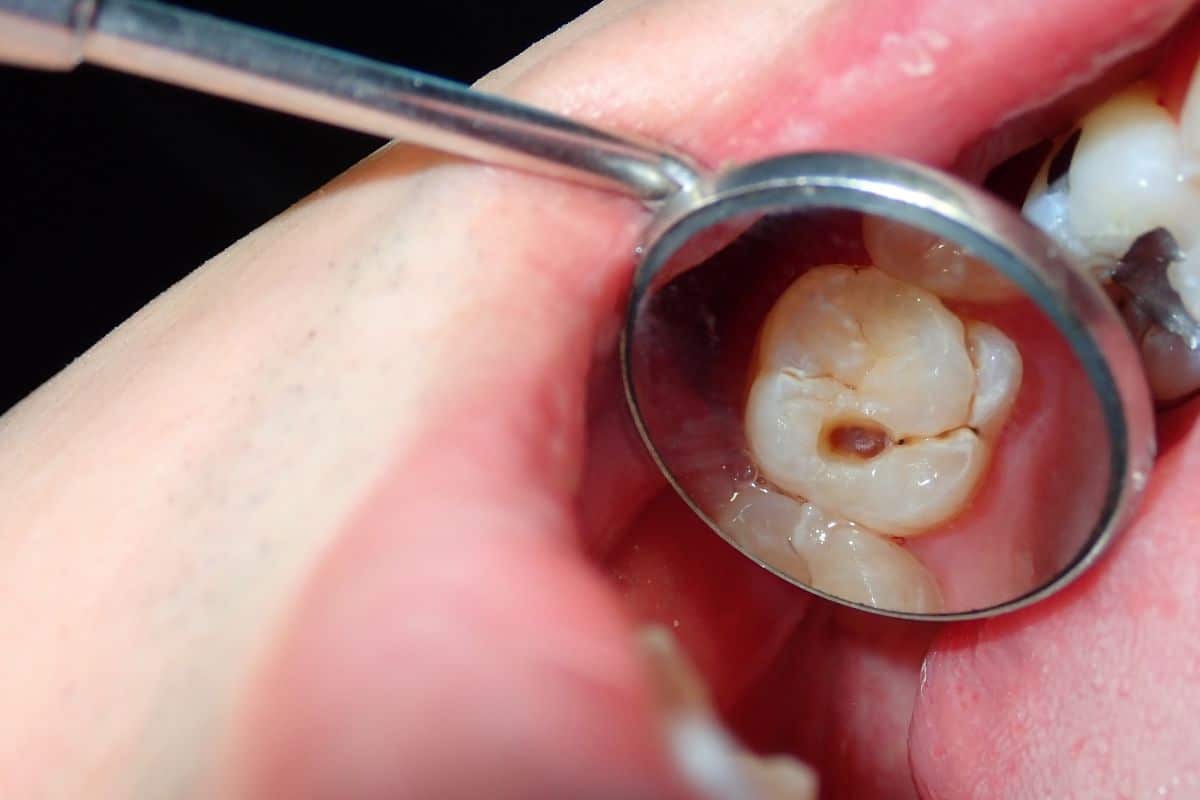
A cracked tooth might not be immediately visible but can cause severe pain when chewing or when the tooth is exposed to temperature changes. Cracks can extend into the root, making early diagnosis and treatment by a dentist crucial.
5. Soft Tissue Injuries
These include cuts or lacerations to the gums, cheeks, lips, or tongue. Soft tissue injuries can bleed heavily and may require stitches, antibiotics, or other medical interventions to heal properly.
6. Tooth Intrusion
This occurs when a tooth is pushed into the jawbone rather than knocked out. Tooth intrusion is more common in children and can affect permanent teeth if not properly managed by a dental professional.
First Aid Tips for Dental Injuries
Immediate action following a dental injury can make a big difference in preserving your oral health. Here are some first-aid tips:
- For a Knocked-Out Tooth: Rinse the tooth gently without scrubbing. Try to reinsert the tooth into its socket if possible, or keep it in a glass of milk or saliva until you can see a dentist. The faster you act, the better the chances of saving the tooth.
- For Chipped or Broken Teeth: Rinse your mouth with warm water and use a cold compress to reduce swelling. Save any pieces of the tooth and bring them with you to your dental appointment.
- For Soft Tissue Injuries: Clean the area with warm water, apply pressure using gauze or a clean cloth, and use a cold compress to control bleeding and swelling. Seek emergency dental care if the bleeding doesn’t stop after 10 minutes.
- For a Loose Tooth: Avoid touching or wiggling the tooth. Eat soft foods and see your dentist as soon as possible for stabilization.
Treatment Options for Dental Injuries
Treatment for dental injuries depends on the type and severity of the damage. Common treatments include:
1. Dental Bonding or Veneers: For minor chips or cracks, your dentist may use bonding material or veneers to restore the tooth’s appearance and function.
2. Root Canal Therapy: For fractures that reach the tooth’s pulp, root canal therapy may be necessary to prevent infection.
3. Tooth Splinting: If a tooth is loose, your dentist may use a splint to stabilize it, allowing the surrounding tissues to heal.
4. Surgical Intervention: Severe cases, such as tooth intrusion or complex fractures, may require surgical repositioning or extraction.
Tips For Preventing Dental Injuries
While accidents are unpredictable, there are steps you can take to minimize the risk of dental injuries:
1. Wear Mouthguards: Use a mouthguard during sports or activities that could involve facial impact.
2. Avoid Hard Foods: Be cautious when eating hard candies, ice, or other tough foods that can chip or break teeth.
3. Use Scissors, Not Teeth: Avoid using your teeth to open packages, cut tape, or as a tool for anything other than chewing.
Dental injuries can be alarming, but knowing how to respond can make all the difference in preserving your smile. Immediate first aid and prompt consultation with a dentist are crucial steps in managing these injuries effectively. Whether it’s a minor chip or a knocked-out tooth, seeking timely professional care can help you avoid long-term complications and restore your dental health. If you’ve experienced a dental injury, don’t hesitate to contact your dentist for advice and treatment.