6100 W. 41st St. Sioux Falls, SD 57106
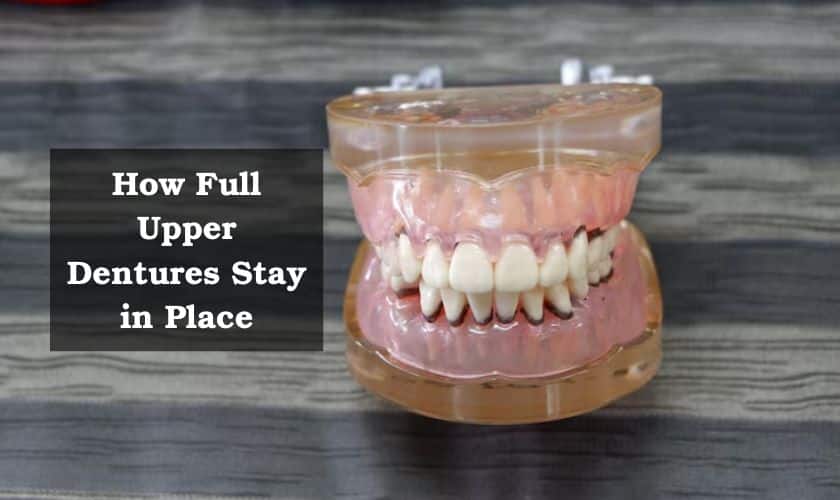
Full upper dentures can be a great solution for restoring your smile and chewing function after tooth loss. But if you’re considering getting dentures, you might wonder how they stay put throughout the day. Unlike natural teeth with roots anchored in the jawbone, dentures rely on a combination of factors for stability. Come and learn the science behind how full upper dentures stay in place.
The Power of Suction for Holding Upper Dentures
The primary mechanism for holding upper dentures in place is suction. A well-fitting upper denture conforms to the shape of your gums and palate, creating a seal that traps a thin layer of saliva between the denture base and your tissues. This negative pressure acts like a suction cup, holding the denture securely in position.
Here’s what contributes to a strong suction seal:
- Precision Fit: A crucial factor is the precision of the denture’s fit. A cosmetic dentist will create dentures using impressions of your mouth, ensuring they closely mimic the contours of your gums and palate. This customized fit maximizes the surface area for suction to occur.
- Upper Jaw Advantage: The upper jaw naturally has a wider and more rounded surface area compared to the lower jaw. This dome-like shape allows for a larger contact area with the denture base, further enhancing suction.
Factors for Dentures Stability
While suction plays a leading role, other factors contribute to the overall stability of full upper dentures:
1. Facial Muscles: The muscles in your cheeks and lips naturally press against the dentures when you speak, swallow, or smile. This gentle pressure helps keep the dentures in place during everyday activities.
2. Bony Ridges: Your jawbone has ridges underneath the gum tissue where your teeth were once rooted. These ridges provide a natural base for the denture to rest on and contribute to its stability.
What Can Affect Denture Stability
Unfortunately, due to several reasons, suction alone might not always be sufficient. Here’s what can affect denture stability:
1. Bone Loss: After tooth loss, the jawbone naturally begins to shrink due to lack of stimulation from tooth roots. This shrinkage can cause the dentures to become loose and ill-fitting, compromising suction.
2. Changes in Mouth Tissues: Over time, the tissues in your mouth can change shape due to aging or further bone loss. This can affect the fit of your dentures and reduce suction.
3. Improper Care: Not cleaning your dentures properly can lead to the buildup of plaque and tartar, which can irritate your gums and affect the fit of the dentures.
Denture Adhesives: A Helping Hand
If you experience slipping or looseness with your upper dentures, don’t despair! Denture adhesives can offer an extra layer of security. These come in various forms like creams, gels, and strips. They work by creating a thin layer of cushion between the denture and your gums, filling in any gaps, and enhancing the suction seal.
Here are some tips for using denture adhesives:
- Follow the manufacturer’s instructions carefully.
- Only use a small amount of adhesive.
- Apply the adhesive to a clean and dry denture.
- See your cosmetic dentist regularly to ensure your dentures still fit properly.
By understanding how full upper dentures stay in place and following these tips, you can enjoy a smile that’s both beautiful and functional for years to come. If you have any concerns about your dentures or are considering cosmetic dentistry options for tooth replacement, consult a qualified dentist to discuss the best solution for your individual needs.