6100 W. 41st St. Sioux Falls, SD 57106
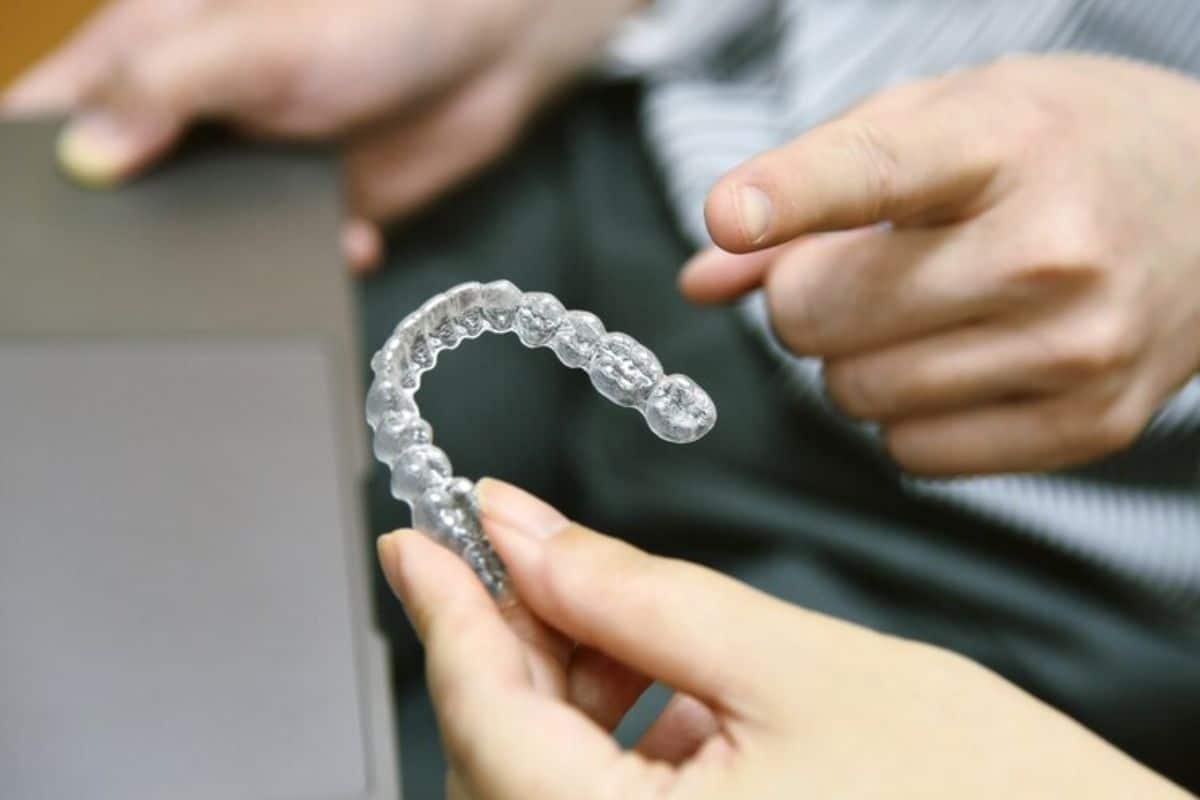
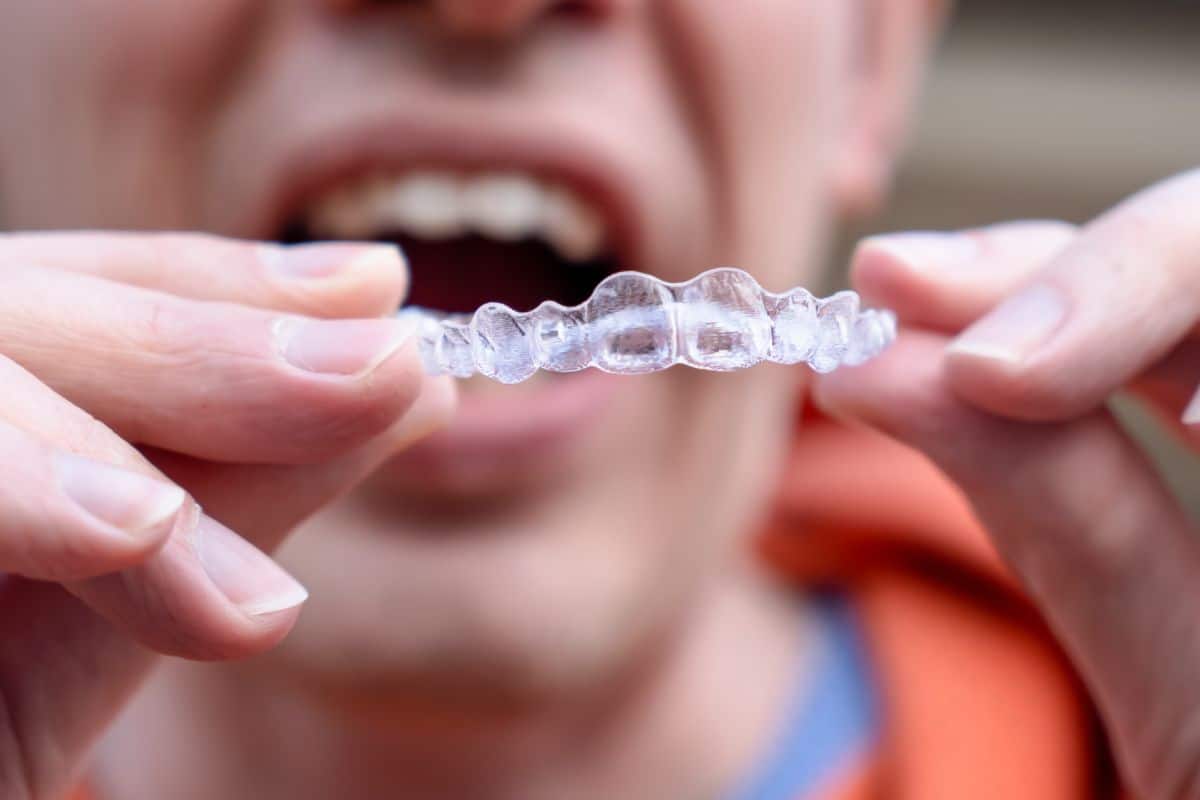
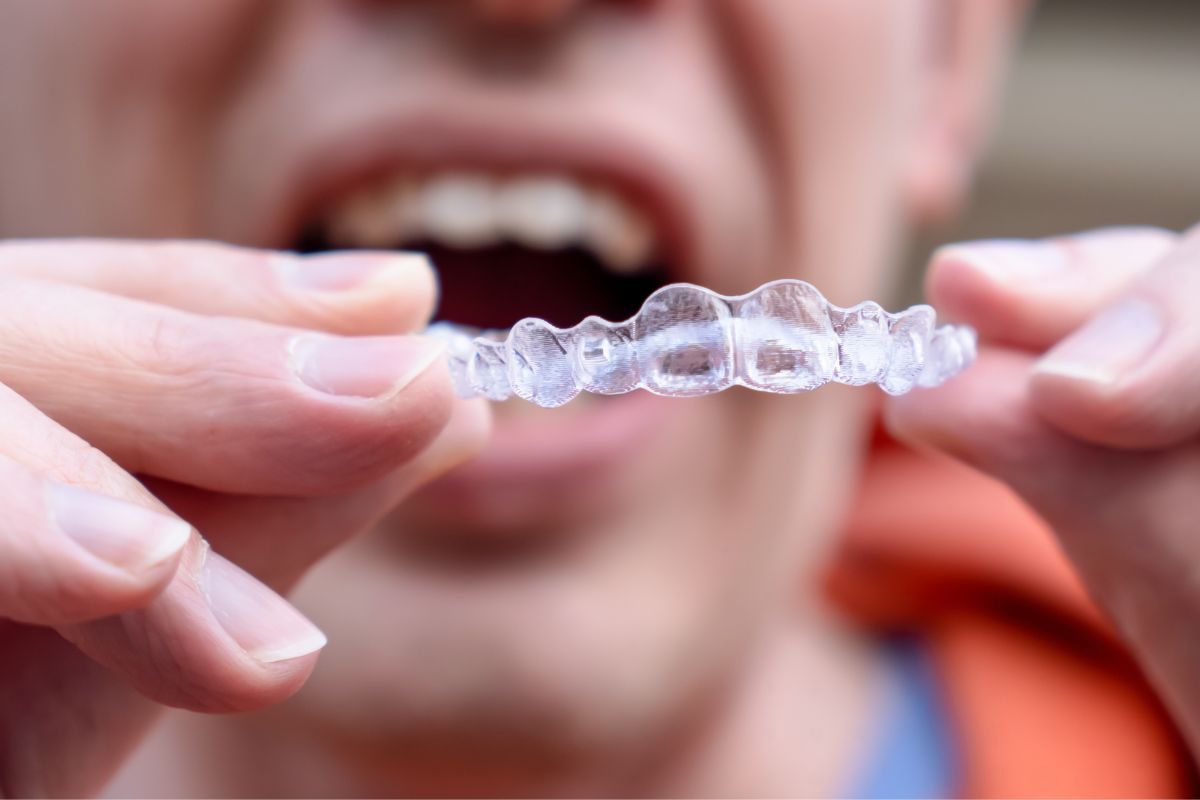
Invisalign has revolutionized orthodontic treatment with its clear, removable aligners, offering a discreet and convenient alternative to traditional metal braces. While the appeal of Invisalign is clear, many people wonder, “Does Invisalign hurt?” Orthodontic treatment can cause some discomfort, but Invisalign is designed with comfort in mind, making it one of the least invasive ways to achieve a straighter smile.
In this blog, we’ll explore the pain aspect of Invisalign, what you can expect during treatment, and tips for managing any discomfort along the way.
Does Invisalign Really Hurt?
The short answer is: Invisalign might cause some mild discomfort, but it is usually not described as painful. Most people experience some level of pressure or soreness, particularly when they switch to a new set of aligners. This sensation is a normal part of the process and indicates that the aligners are working to shift your teeth.
The First Few Days: Initial Discomfort
When you first start your Invisalign treatment, you might feel a little soreness or pressure, especially during the first 24-48 hours. This is a common response to the initial movement of your teeth. For some, this discomfort is similar to the feeling of wearing new shoes—uncomfortable at first but gradually becoming more comfortable with time.
The reason for this discomfort is that your teeth are shifting into new positions. The aligners apply gentle but constant pressure to guide your teeth, and this pressure can cause your gums and teeth to feel sore. However, this discomfort typically lessens as your mouth adjusts to the aligners.
Switching to a New Aligner
Each time you switch to a new set of aligners, you may experience a similar feeling of pressure as your teeth continue to move. Again, this is a sign that your aligners are doing their job, and the discomfort should only last a few days.
The good news is that this pressure is generally much less intense than the tightening or adjustments associated with metal braces. Many patients find Invisalign to be a much more comfortable treatment option overall.
How Long Does the Discomfort Last?
The mild discomfort from Invisalign aligners typically lasts for a day or two after you switch to a new set of trays. After this adjustment period, the aligners should feel more comfortable. Most patients report that they become used to the sensation of wearing the aligners, and the discomfort becomes less noticeable as the treatment progresses.
On average, the treatment process can take anywhere from 12 to 18 months, depending on the complexity of your case. During this time, you will be changing aligners regularly, so you may experience slight discomfort periodically as your teeth continue to shift.
Tips for Managing Invisalign Discomfort
While the discomfort associated with Invisalign is usually mild, there are several ways to manage any soreness and ensure a more comfortable treatment experience:
1. Start New Aligners Before Bed
One trick is to switch to a new set of aligners right before going to bed. This allows you to sleep through the initial adjustment period, so by the time you wake up, your teeth will have had several hours to start adjusting to the new aligners, minimizing daytime discomfort.
2. Over-the-Counter Pain Relief
If the soreness is bothersome, you can take over-the-counter pain relievers, such as ibuprofen or acetaminophen, to alleviate the discomfort. However, be sure to follow the dosage instructions and consult with your dentist or orthodontist before taking any medication.
3. Cold Compresses
Applying a cold compress to your jaw or mouth can help reduce any swelling or soreness caused by the pressure of the aligners. Cold compresses can be especially helpful during the first few days after switching to a new set of trays.
4. Use Orthodontic Wax
If your aligners are irritating your gums or the inside of your cheeks, orthodontic wax can help provide relief. Simply apply the wax to the edges of your aligners to reduce friction and protect sensitive areas inside your mouth.
5. Stay Consistent with Wearing Your Aligners
One of the best ways to reduce discomfort is to wear your aligners as directed. Invisalign aligners need to be worn for 20-22 hours a day to be effective. Wearing them consistently ensures that your teeth are moving gradually, rather than suddenly, which helps to minimize discomfort over time.
Why Invisalign is More Comfortable than Traditional Braces
When comparing Invisalign to traditional braces, many patients report that Invisalign is a more comfortable treatment option. Here’s why:
- No Metal Wires or Brackets: Unlike metal braces, Invisalign aligners are made from smooth plastic, which is less likely to irritate the inside of your mouth.
- Gentle Pressure: Invisalign applies a more controlled and gradual force to your teeth, which reduces the intensity of discomfort when compared to the wire-tightening process used in traditional braces.
- Custom Fit: Each set of aligners is custom-made for your mouth, ensuring a better, more comfortable fit.
Final Thoughts on Invisalign Discomfort
Invisalign offers a highly effective and comfortable way to straighten your teeth without the discomfort often associated with metal braces. While you may experience some mild discomfort or pressure, especially when switching to a new set of aligners, most patients find the experience to be manageable and much less painful than traditional orthodontic treatment.
By following your orthodontist’s instructions, wearing your aligners consistently, and using simple pain management techniques, you can minimize any discomfort and enjoy the benefits of a straighter smile with Invisalign.
If you’re considering starting your Invisalign journey and have concerns about pain or discomfort, don’t hesitate to consult with your orthodontist. They can provide additional guidance to ensure that your treatment is as smooth and comfortable as possible.