6100 W. 41st St. Sioux Falls, SD 57106
Maintaining proper oral care is crucial for a healthy, beautiful smile and overall well-being. A consistent oral hygiene routine can prevent dental problems such as cavities, gum disease, and bad breath. Here’s a detailed guide to the essential steps for optimal oral care. Keep reading this blog to determine how your dentist can assist in achieving and maintaining excellent dental health.
1. Brush Your Teeth Twice a Day
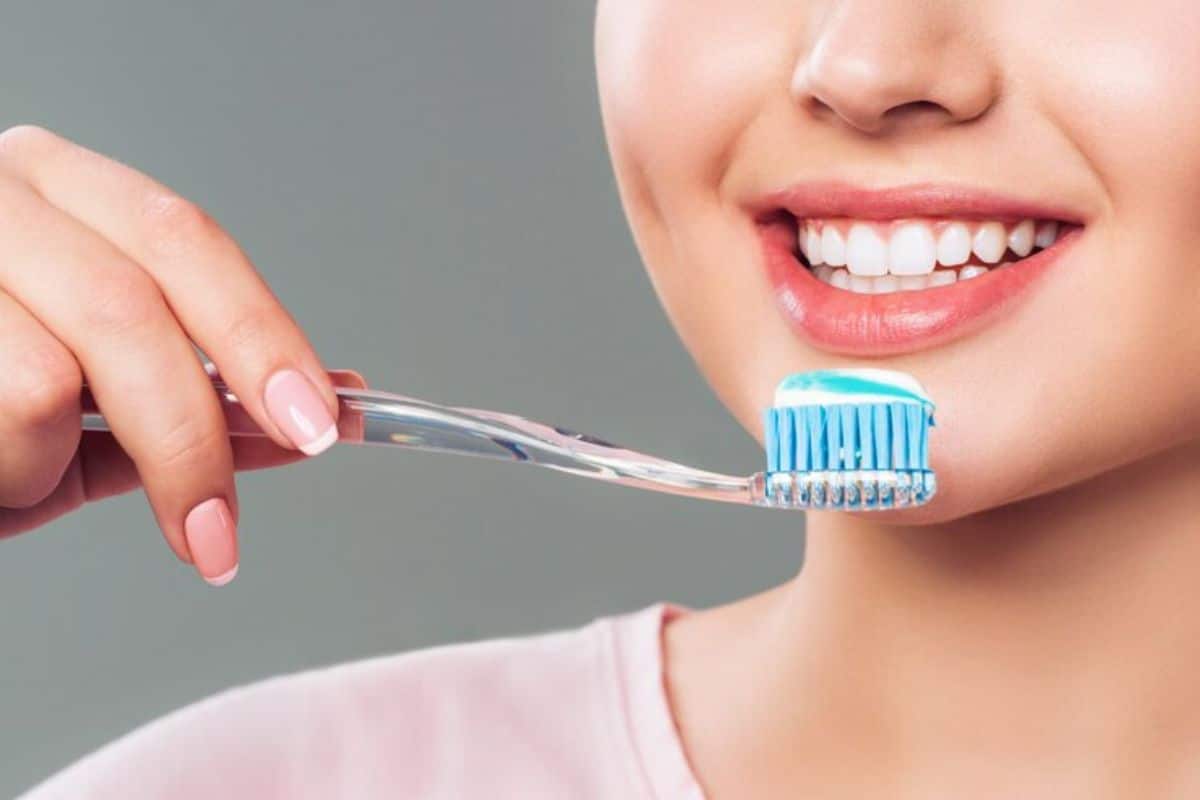
Brushing your teeth is essential for dental hygiene maintenance. Make sure you brush twice daily—once in the morning and once before bed. Use fluoride toothpaste to strengthen enamel and a soft-bristled toothbrush to avoid damaging your gums. Brush for at least two minutes to keep every part of your teeth clean. Thoroughly brush the fronts, backs, and chewing surfaces.
Proper brushing technique involves holding your toothbrush at a 45-degree angle to your gums and using gentle, circular motions. This helps to remove plaque and food particles effectively. Don’t forget to brush your tongue and the roof of your mouth to eliminate bacteria and freshen your breath.
2. Floss Daily
Flossing is a crucial step in your oral care routine that complements brushing. It cleans between your teeth and below the gumline, areas that a toothbrush alone cannot reach. Daily flossing removes plaque and food debris that can lead to cavities and gum disease.
To floss correctly, use about 18 inches of dental floss, wrapping it around your middle fingers and holding it tightly. Use a gentle back-and-forth motion to slide the floss between your teeth, forming a C-shaped curve around each tooth. Be careful not to break the floss, which could otherwise damage the gum. You may also rely on your dentist to provide proper flossing techniques to protect your teeth and mouth.
3. Use Mouthwash
Mouthwash is an effective addition to your daily oral hygiene routine. It helps kill bacteria, reduce plaque, and fight bad breath. Different types of oral cleansers are available, so choose one that meets your needs. For added protection, look for products containing fluoride, which helps strengthen teeth and prevent decay.
Rinse your mouth with the mouthwash for 30 seconds to a minute, making sure it covers all areas. For effective results, avoid eating or drinking for at least 30 minutes after using mouthwash.
4. Maintain a Healthy Diet
Your oral health is mostly influenced by the foods you eat. Most dental practitioners advise patients to consume nutrient-rich foods that support healthy teeth and gums. So, try to include plenty of calcium-rich foods, such as dairy products, leafy greens, and almonds, to strengthen your teeth. Foods high in vitamin C, like oranges and strawberries, help maintain healthy gums.
Reduce your sugary snacks and drinks intake because they can cause tooth decay. Sugars feed harmful bacteria in your mouth, leading to acid production and enamel erosion. Drinking plenty of water also helps to wash away food particles and bacteria, keeping your mouth hydrated and clean.
5. Visit Your Dentist Regularly
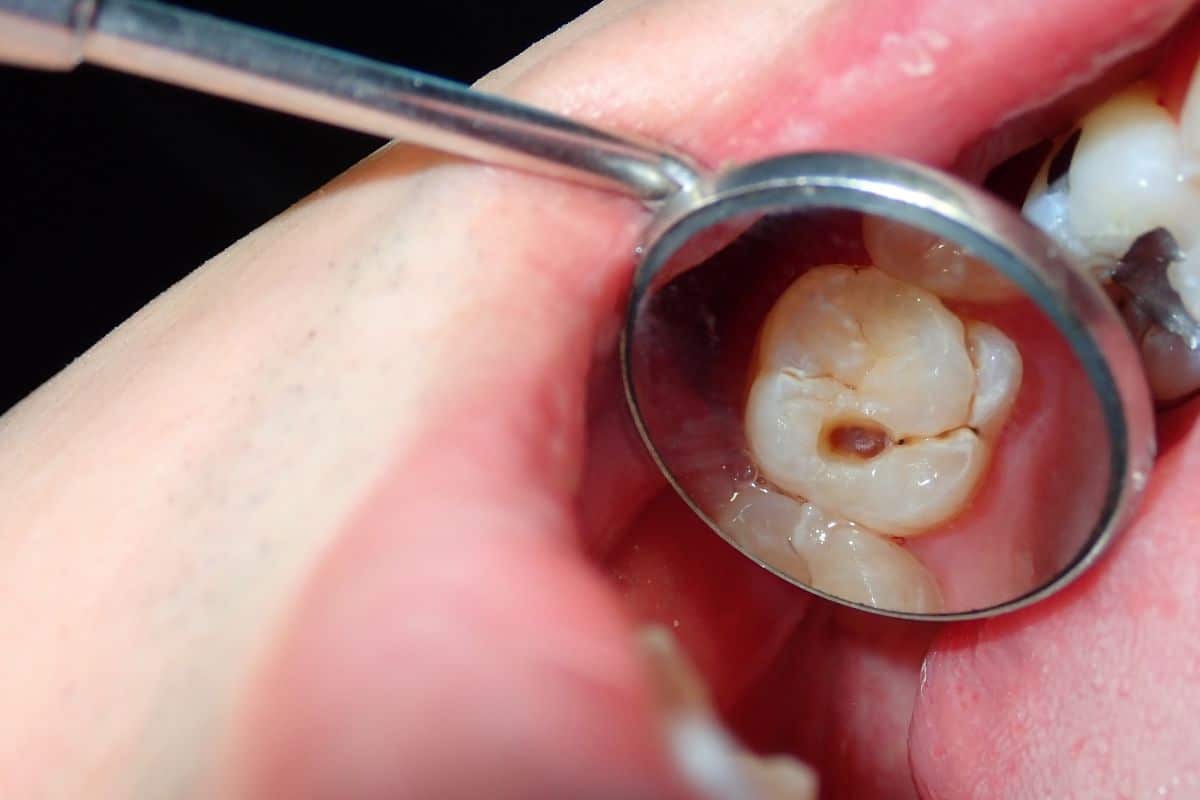
Regular dental check-ups are essential to promote better oral health. Your dentist can perform thorough cleanings to remove plaque and tartar buildup that brushing and flossing might miss. Additionally, routine visits allow dental practitioners to detect potential problems early, such as cavities or gum disease.
Your dentist also plays a key role in providing advanced treatments. They often use mercury-free fillings to restore decayed teeth, which are safer and more aesthetically pleasing than traditional amalgam fillings. Dental crowns can cover and protect damaged teeth, while veneers can correct imperfections and improve your smile’s appearance.
6. Consider Laser Treatment for Healthy Gums
If you have gum issues, laser treatment might be an effective solution. Laser technology is used to remove diseased gum tissue and promote healing. This method is less invasive compared to traditional gum surgery and often results in quicker recovery times.
Laser treatment can address conditions such as gingivitis and periodontitis, improving gum health and reducing inflammation. It also enhances precision, minimizing damage to surrounding healthy tissue. This modern approach to gum care can be a significant part of maintaining dental wellness.
7. Incorporate Bonding and Saliva Testing
Integrating bonding and saliva testing into your oral care routine can significantly boost your dental health. Dental bonding involves applying a tooth-colored resin to repair chipped or cracked teeth, enhancing both appearance and function. Saliva testing analyzes your saliva to detect issues like decay and bacterial infections, offering valuable insights into your oral health. This test helps your dentist customize a care plan specifically for your needs.
Your dentist in Sioux Falls plays a crucial role in maintaining your oral health. You can count on them for essential treatments to protect and restore damaged teeth. Regular visits to dental clinics ensure your teeth and gums stay healthy. By following these practices and consulting with your dentist, you can achieve a healthy, radiant smile that lasts a lifetime.