6100 W. 41st St. Sioux Falls, SD 57106
Do you ever wake up feeling exhausted, despite having seemingly slept for hours? Or perhaps your partner keeps nudging you in the middle of the night due to loud snoring or sudden gasps for air. If these scenarios sound familiar, it’s time to unmask the hidden dangers of sleep apnea and its profound impact on your overall health. In this blog post, we’ll delve into the depths of this often misunderstood condition, revealing why it’s crucial to understand and address it for a restful slumber and a healthier life. Get ready to unlock the secrets behind quality sleep as we shine a light on sleep apnea – an issue that deserves our undivided attention!
Introduction to Sleep Apnea
Sleep apnea is a potentially serious sleep disorder in which breathing repeatedly stops and starts. If you have sleep apnea, you may not remember these episodes of stopped breathing. Sleep apnea usually is diagnosed based on your medical and family histories, a physical exam, and a review of your signs and symptoms.
If you think you might have sleep apnea, see your doctor. He or she may refer you to a sleep specialist for diagnosis and treatment.
Types of Sleep Apnea
There are three types of sleep apnea: obstructive, central, and mixed.
Obstructive sleep apnea (OSA) is the most common type of sleep apnea. Obstructive sleep apnea occurs when the muscles in the back of your throat relax and your airway narrows or closes as you breathe in. This blockage can cause loud snoring. Central sleep apnea (CSA) occurs when your brain doesn’t send proper signals to the muscles that control your breathing. Mixed sleep apnea is a combination of both OSA and CSA.
Sleep apnea can occur at any age, but it is more common in adults over 40 years old. It is also more common in men than women and in people who are overweight. People with certain medical conditions, such as diabetes, high blood pressure, heart disease, or a history of stroke, are also at higher risk for sleep apnea.
Symptoms of Sleep Apnea
Sleep apnea is a potentially serious sleep disorder in which breathing repeatedly stops and starts. If you snore loudly and feel tired even after a full night’s sleep, you might have sleep apnea.
Sleep apnea usually is diagnosed based on symptoms, a physical examination, and review of your medical history. More-specific tests might be recommended if you have signs or symptoms that suggest a problem other than sleep apnea. These could include blood tests, an electrocardiogram (EKG) or special sensors placed on your body during an overnight sleep study in a sleep laboratory.
Risk Factors Associated With Sleep Apnea
There are many factors that can contribute to the development of sleep apnea. Some of these risk factors include:
-Being overweight or obese: Excess weight around the neck and throat can increase the risk of sleep apnea by narrowing the airway.
-Having a large neck circumference: A larger neck circumference is also associated with a greater risk of sleep apnea.
– smoking: Smoking is a known risk factor for sleep apnea, as it can irritate and inflame the tissues in the throat and upper airway.
-Drinking alcohol: Alcohol consumption can also lead to relaxation of the muscles in the throat and upper airway, which can worsen sleep apnea.
-Use of certain medications: Some medications, such as sedatives and muscle relaxants, can cause drowsiness and make it more difficult to maintain an open airway during sleep.
Impact of Sleep Apnea on Health
Sleep apnea is a serious sleep disorder that occurs when a person’s breathing is interrupted during sleep. People with sleep apnea often snore loudly and may feel tired during the day. Sleep apnea can cause high blood pressure, heart attacks, and strokes. It can also lead to car accidents if people fall asleep while driving.
Sleep apnea is a treatable condition. However, many people do not seek treatment because they are not aware they have the condition. If you think you may have sleep apnea, talk to your doctor about getting tested.
Treatment Options and Prevention Strategies for Sleep Apnea
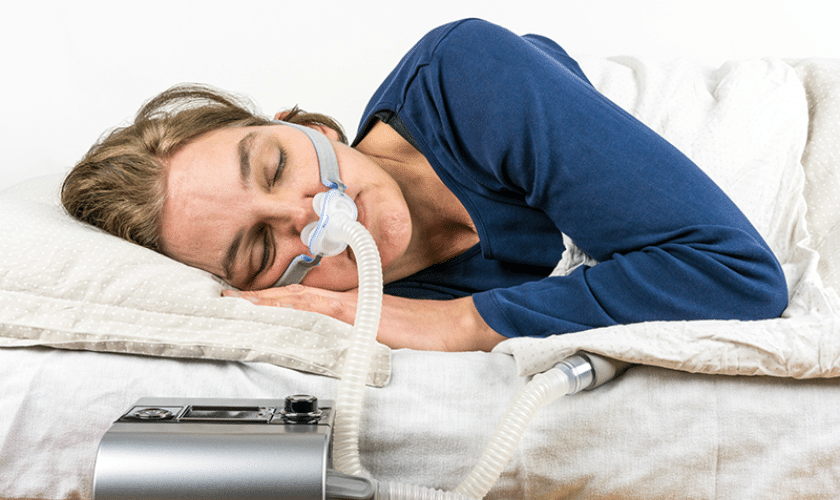
There are a number of ways that sleep apnea can be treated. The most common form of treatment is Continuous Positive Airway Pressure (CPAP). This is a machine that pumps air into your lungs while you sleep, keeping your airway open. Other forms of treatment include mouthpieces, surgery, and lifestyle changes.
The best way to prevent sleep apnea is by losing weight and quitting smoking. If you are overweight, losing just 10% of your body weight can significantly reduce your risk of developing sleep apnea. If you smoke, quitting smoking is the single best thing you can do for your health, and will also reduce your risk of developing sleep apnea.
How to Find a Reliable Sleep Specialist
If you’re concerned that you might have sleep apnea, it’s important to see a sleep specialist. This is a doctor who specializes in diagnosing and treating sleep disorders.
There are a few different ways to find a reliable sleep specialist. You can ask your primary care physician for a referral, or look for one yourself using an online directory like the American Academy of Sleep Medicine’s website.
When you’re making an appointment, be sure to ask about the doctor’s experience in diagnosing and treating sleep apnea. It’s also a good idea to find out if the sleep specialist is board certified by the American Board of Sleep Medicine.
Once you’ve found a reputable sleep specialist, be sure to keep all your appointments and follow their instructions. You can control your sleep apnea with proper treatment and improve your overall health.
Sleep apnea is a serious condition that can have devastating consequences. It can impact your overall health and well-being, leading to fatigue, depression, and other serious medical issues. However, it is possible to successfully manage sleep apnea through lifestyle changes as well as the use of CPAP machines or oral appliances. The key is understanding the hidden dangers of this disorder so that you can take steps toward improving your overall health. With proper diagnosis and treatment, you will be able to enjoy restful nights and improved quality of life once again!