6100 W. 41st St. Sioux Falls, SD 57106

Are you considering dental implants to restore your smile? It’s a big decision, but it can have life-changing results. Dental implants are a popular and effective solution for missing teeth that provide a natural-looking and long-lasting replacement option. However, the process can seem overwhelming if you don’t know what to expect. In this blog post, we’ll break down everything you need to know about the dental implant procedure, from consultation to recovery. So sit back, relax, and let us guide you through this exciting journey towards your perfect smile!
What is a Dental Implant?
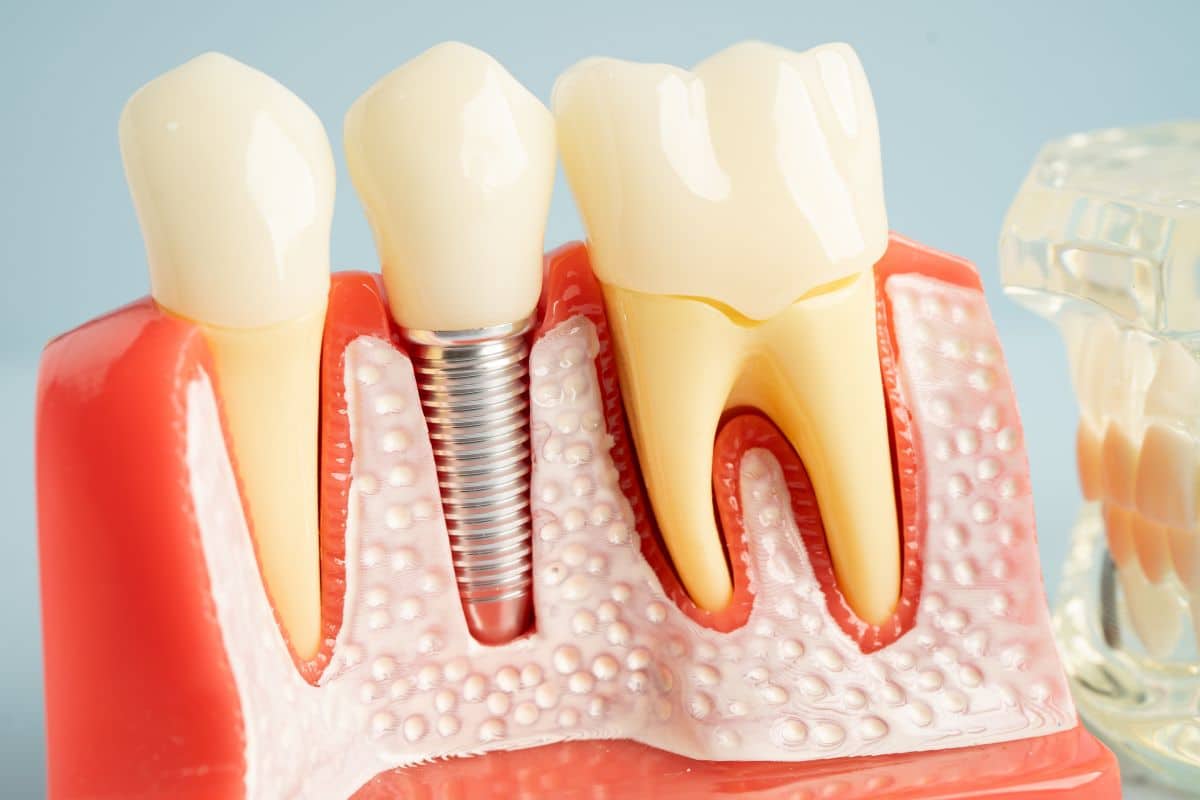
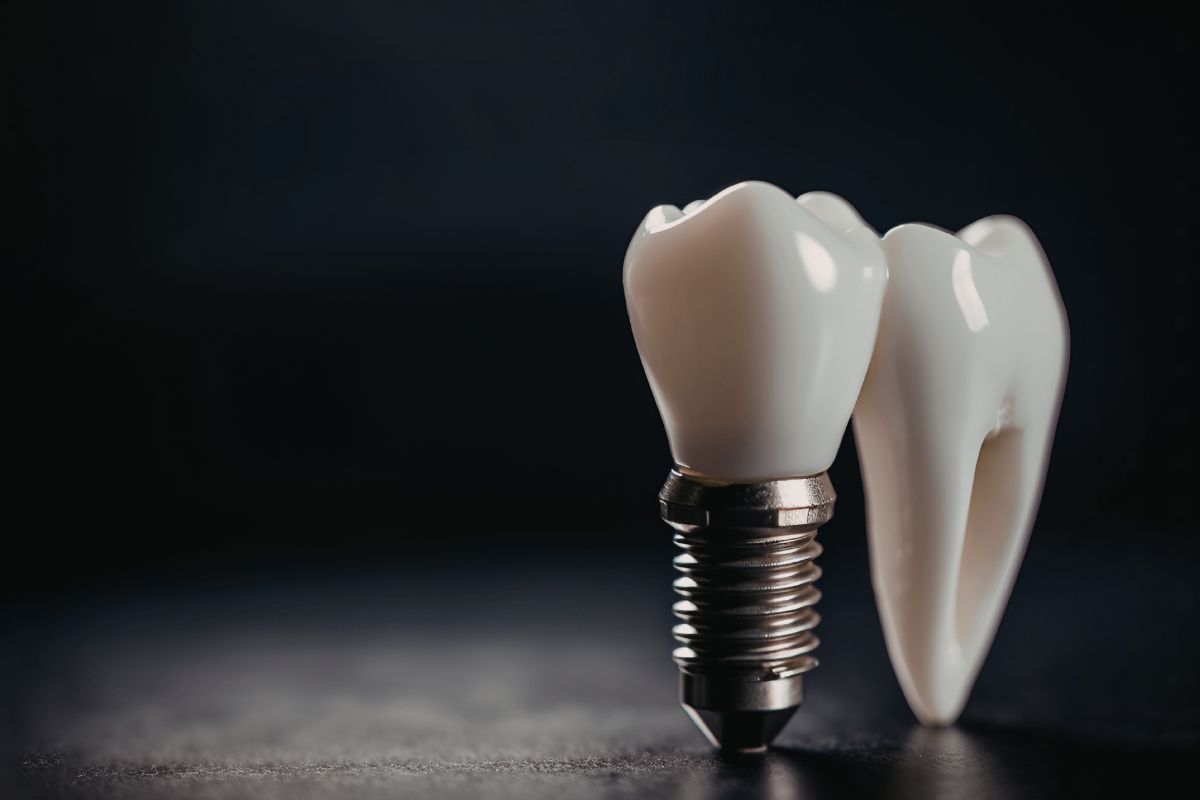
A dental implant is a small, titanium post that serves as a replacement for the root of a missing tooth. It’s surgically placed into the jawbone and provides a sturdy foundation for an artificial tooth or crown. One of the main benefits of dental implants is their durability. They can last for many years with proper care and maintenance, making them one of the best long-term solutions for missing teeth. There are also several types of dental implants to choose from, including endosteal implants (the most common type), subperiosteal implants (for those without enough bone density), and zygomatic implants (for patients with severe bone loss in the upper jaw). Dental implant surgery typically involves multiple phases, including consultation, preparation, surgery itself, and recovery. Although it may seem daunting at first glance, thousands of people undergo this procedure every year with great success. With proper guidance from your dentist or oral surgeon, you too can achieve a beautiful smile through dental implant treatment!
Types of Dental Implants
There are several types of dental implants available, and the most common ones are endosteal and subperiosteal implants. Endosteal implants are inserted directly into the jawbone and act as artificial tooth roots. These types of implants consist of a titanium screw that is surgically placed into the jawbone, where it fuses with the bone over time. Subperiosteal implants, on the other hand, sit above the jawbone but beneath your gum tissue. They’re used when there’s not enough healthy bone to support an implant. Subperiosteal implants can be attached to metal posts that protrude through your gums or a metal frame that fits onto your existing teeth. Another type of dental implant is a zygomatic dental implant which is longer than traditional dental implants and anchored in cheekbones instead of jaws for patients who don’t have enough upper-jaw bone density. Your dentist will work with you to determine which type of implant is best suited for your needs based on factors such as oral health history, budget and lifestyle considerations. It’s important to discuss all options with your dentist before deciding on which route to take in terms of dental implant placement.
What to Expect During the Consultation Phase
During the consultation phase of dental implant surgery, patients can expect to meet with their dentist or oral surgeon. This initial meeting is crucial in determining if a patient is a good candidate for dental implants and what type of implant would best suit their needs. The dentist will review the patient’s medical and dental history, as well as conduct a thorough examination of the mouth and jawbone. They may also take X-rays or other imaging tests to evaluate bone density and identify any potential complications. Once all necessary information has been gathered, the dentist will discuss treatment options with the patient. This includes explaining different types of implants available, such as endosteal or subperiosteal, and determining which one is most suitable based on factors like jawbone quality and overall health. Patients should use this opportunity to ask questions about the procedure itself, including anaesthesia options like local vs general anaesthesia. The dentist will also provide an estimate for costs associated with the surgery so that patients can make informed decisions about moving forward. Patients should expect open communication with their healthcare provider during this consultation process in order to ensure successful outcomes from start to finish.
Preparing for Your Surgery
Preparing for Your Surgery
Once you’ve decided to undergo a dental implant procedure, it’s important to prepare yourself both physically and mentally. Before the surgery, your dentist will provide specific instructions on how to get ready. One of the most crucial steps is ensuring that you have a good diet before your surgery. Proper nutrition can aid in healing after the operation. Make sure that you consume plenty of protein-rich foods, such as lean meats and dairy products. It’s also essential to avoid smoking or consuming tobacco products at least a week before your appointment. Doing so can help prevent complications during and after the procedure. You may be required to take antibiotics prior to surgery if you have any underlying health conditions that could increase your risk of infection. In some cases, sedatives may be prescribed for patients who experience anxiety about undergoing dental procedures. Make sure that someone accompanies you home from the clinic following the procedure since general anaesthesia or sedation is often used during implant placement.
By following these guidelines provided by your dentist, you’ll be better prepared for successful dental implant surgery with minimal discomfort or complications.
Recovering from Dental Implants Surgery
Recovering from Dental Implants Surgery
After the dental implant surgery, you will experience some discomfort and swelling. The dentist may prescribe some painkillers to help manage the pain. You can also use ice packs to reduce swelling. It is essential to take proper care of your implants during recovery. Avoid eating hard or chewy foods for a few days after surgery and maintain good oral hygiene practices like brushing and flossing. Be sure to attend all follow-up appointments with your dentist as they will monitor your healing progress closely. Full recovery usually takes several weeks, but once complete, you can enjoy fully functioning teeth that look and feel natural. Getting dental implants may seem daunting at first, but it is a safe and effective way to restore missing teeth. With this guide on understanding the dental implant procedure- from consultation to recovery- we hope that you have learned more about what to expect throughout the process. Remember always consult with your dentist before making any decisions regarding tooth replacement options; they are best equipped to advise on which option would be most beneficial for you based on individual circumstances.