6100 W. 41st St. Sioux Falls, SD 57106

Oil pulling, an ancient Ayurvedic practice, has gained popularity in recent years. It involves swishing oil around your mouth to promote oral health. But is it all hype, or are there real benefits for your teeth? As a dentist, I frequently get asked about oil pulling, so let’s delve into the potential positive effects and explore how it might fit into your oral hygiene routine.
How Does Oil Pulling Work?
The theory behind oil pulling is that the oil attracts and binds to bacteria and toxins in your mouth. Swishing the oil for a designated period allows these bacteria to be removed when you spit out the oil. While the exact mechanism isn’t fully understood, some studies suggest it might be effective.
Potential Benefits of Oil Pulling for Teeth
While more research is needed, some promising evidence suggests oil pulling can offer several benefits for your oral health:
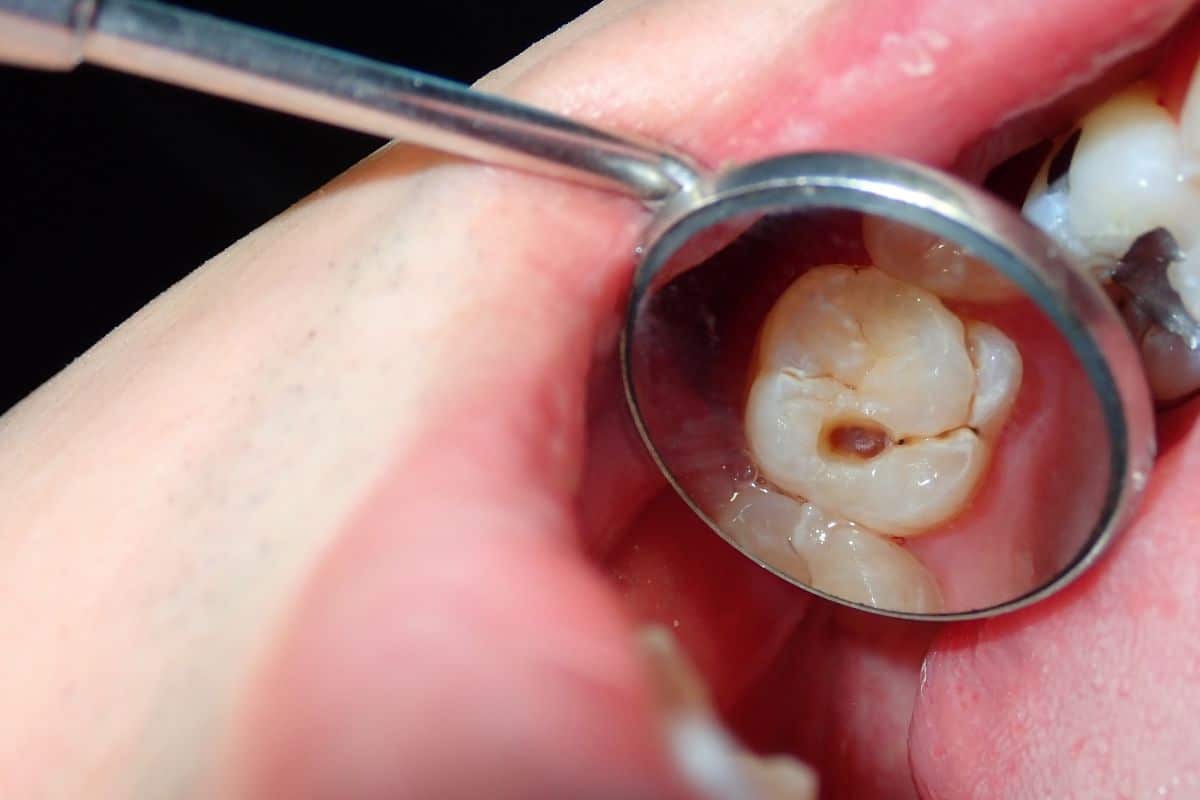
1. Reduced Bacteria: Studies indicate that oil pulling can reduce the levels of harmful bacteria in the mouth, particularly Streptococcus mutans, a major culprit in tooth decay. This reduction in bacteria could potentially lead to fewer cavities.
2. Improved Gum Health: Plaque buildup on teeth can irritate gums, leading to gingivitis (inflammation) and bleeding. Research suggests that oil pulling, particularly with coconut oil, may help reduce plaque formation and improve gum health.
3. Fresher Breath: Bad breath (halitosis) can be caused by bacteria in the mouth. The antibacterial properties of oil pulling might help combat bad breath by reducing these bacterial populations.
4. Natural Alternative: For some people, oil pulling might serve as a natural complement to traditional oral hygiene practices.
How to Do Oil Pulling Safely
Here’s a step-by-step guide to safe oil pulling:
- Measure: Take 1-2 tablespoons of your chosen oil.
- Swish: Swish the oil gently around your mouth for 15-20 minutes. It’s important to swish actively, not passively gargle.
- Spit: Spit out the oil into a trash can (not the drain, as oil can solidify and clog pipes).
- Rinse: Rinse your mouth thoroughly with water.
- Brush and Floss: Don’t skip your regular brushing and flossing routine. Oil pulling is not a substitute for traditional oral hygiene practices.
Does Oil Pulling Replace Brushing and Flossing?
Not! Brushing your teeth twice a day and flossing daily remain the cornerstones of good oral hygiene. Oil pulling, if done correctly and safely, might offer some additional benefits, but it should never be a replacement for these essential practices.
The Final Word on Oil Pulling
Oil pulling shows promise as a complementary approach to oral health. While research is ongoing, some studies suggest it can reduce bacteria, improve gum health, and freshen your breath. However, it’s important to remember that oil pulling is not a magic bullet. Maintain a consistent routine of brushing, flossing, and regular dental visits for optimal oral health. If you’re interested in trying oil pulling, discuss it with your Sioux Falls dentist to ensure it’s right for you.