6100 W. 41st St. Sioux Falls, SD 57106

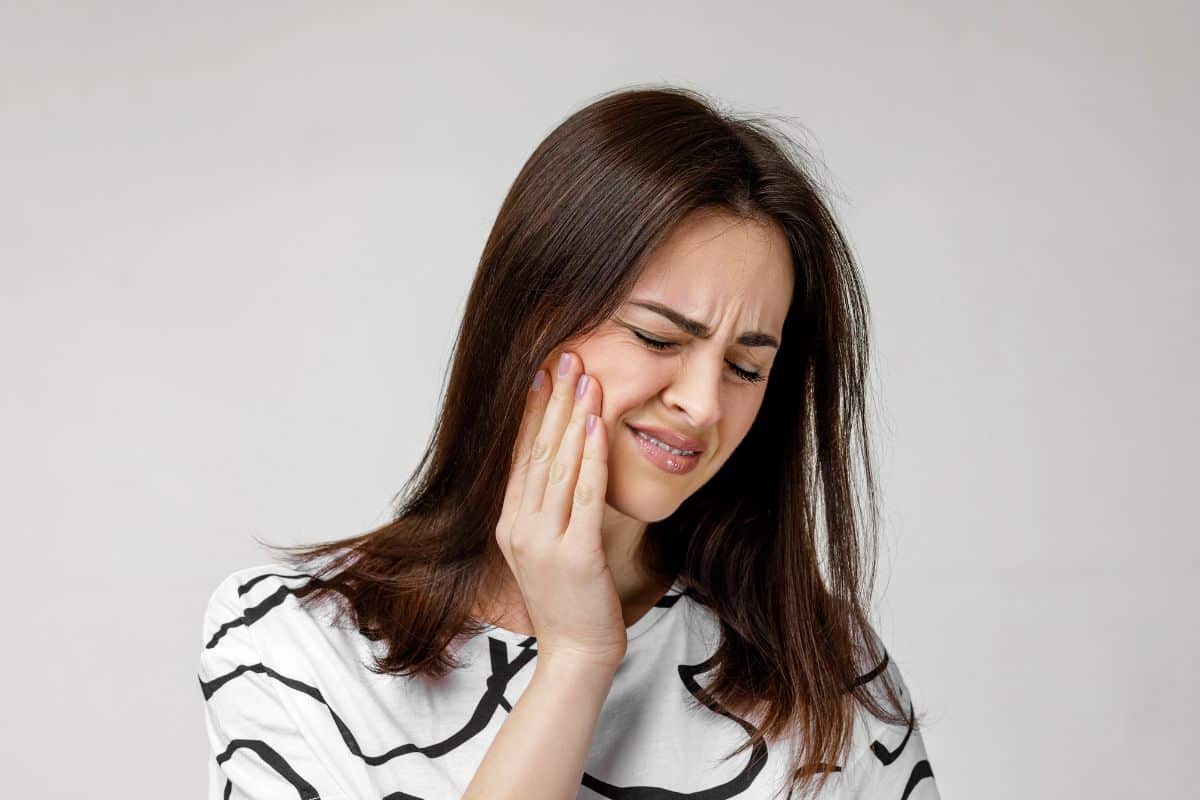
Do you suffer from frequent headaches? You’re not alone—and they can seriously disrupt your day. While stress or eye strain might seem like the obvious culprits, the true cause is sometimes hidden in your mouth. At Designer Dentistry & Smiles in Sioux Falls, SD, Dr. Nichole Cauwels and Dr. Kendra Zuercher specialize in uncovering this often-overlooked connection.
Understanding the link between oral health and headaches could be the first step toward finding lasting relief.
What Dental Problems Can Cause Headaches?
Headaches from dental issues happen when problems in your mouth put stress on the muscles, nerves, and joints in your head and neck.
Here are the main culprits:
- TMJ Disorders: Your jaw joints (TMJ) connect your jaw to your skull. If these joints or the muscles around them aren’t working right, it can cause jaw pain, facial discomfort, clicking sounds, and pain that spreads to your neck, shoulders, or ears.
- Teeth Grinding (Bruxism): Many people grind or clench their teeth, often without knowing it, especially at night. This puts a lot of pressure on your jaw muscles and TMJ, leading to tired, sore muscles and headaches.
- Bad Bite (Malocclusion): If your top and bottom teeth don’t fit together correctly, your jaw muscles have to work extra hard to make them meet. This constant strain can cause ongoing muscle pain and headaches.
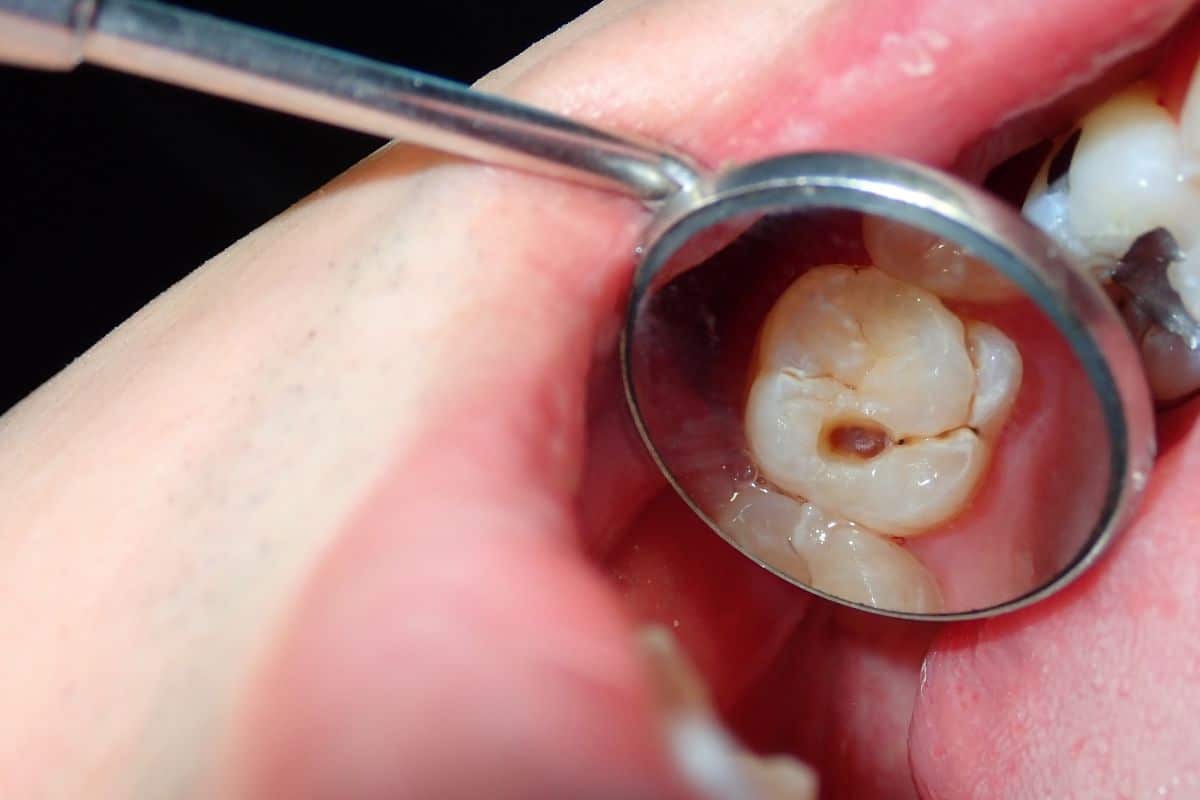
- Dental Infections and Damage: Things like untreated cavities, deep infections, gum disease, or cracked teeth can cause pain and swelling. This pain can then spread to your head, leading to headaches.
How Dental Issues Lead to Headaches
Your mouth, jaw, neck, and head are all connected by nerves and muscles. So, pain in one area can easily show up as pain in another.
- Muscle Tension: Grinding teeth or having a bad bite makes your jaw and face muscles work too hard. This constant tension often causes tension headaches, which feel like a tight band around your forehead.
- Nerve Irritation: Dental problems can bother important nerves in your face and jaw. When these nerves are irritated, they send pain signals that your brain can interpret as headaches, even migraines.
- Referred Pain: Sometimes, pain from a dental problem is felt in a different part of your head, like your temples or behind your eyes, even though the actual issue is in your mouth.
Stress and anxiety can also make these dental headaches worse by causing you to clench or grind your teeth more.
Is Your Headache Dental-Related? Look for These Signs:
It can be hard to tell if a headache is from your teeth. But some signs point to a dental cause:
-
- Pain Location: Headaches often appear behind the eyes, around the temples, across the forehead, in the jaw, or spreading to the neck and shoulders.
- Jaw Symptoms: You might have a sore jaw (especially when you wake up), general jaw pain, clicking or popping sounds when you move your jaw, or trouble opening your mouth wide.
- Tooth/Gum Symptoms: Look for tooth pain, sensitivity to hot or cold, worn-down teeth, or signs of gum infection.
- Timing: Waking up with a headache and a sore jaw is a common sign of grinding your teeth at night.
- Other Symptoms: Earaches, ringing in the ears, facial pain, or stiff neck and shoulders can also be linked.
How Your Dentist Can Help
At Designer Dentistry & Smiles, Dr. Cauwels and Dr. Zuercher are experts at finding and treating dental causes of headaches using Trudenta Dentistry.
- Diagnosis: We’ll talk about your symptoms, examine your jaw and teeth, and may use X-rays or other scans to get a clear picture of what’s going on. We’ll also make sure your headache isn’t caused by something else, and if it is, we can guide you to the right specialist.
- Treatments: Once we know the cause, we offer various solutions:
- Oral Appliances: Custom-made mouthguards or splints can protect your teeth from grinding and help your jaw relax, reducing muscle tension.
- Bite Correction: We can adjust your bite by reshaping certain teeth or using braces/aligners to make your teeth fit together properly. This reduces strain on your jaw muscles.
- Restorative Procedures: Fixing cavities, infections, or replacing missing teeth can remove sources of pain and improve your bite.
- Other Therapies: We might also suggest physical therapy for your jaw, stress management techniques, or certain medications to help with pain and muscle relaxation.
Simple Steps for Long-Term Relief
Beyond treatment, your daily habits matter:
- Good Oral Hygiene: Brush and floss regularly, and visit our dentists for check-ups and cleanings. This prevents problems that can cause headaches.
- Manage Stress: Try relaxation techniques like meditation or yoga to reduce jaw clenching.
- Watch Your Habits: Avoid chewing gum or hard foods, don’t chew on pens, and use a hands-free device for phone calls. Try to keep your teeth slightly apart when your jaw is at rest.
- Sleep Well: Sleep on your back or side with a good pillow to keep your head, neck, and jaw aligned.
When to See Us in Sioux Falls, SD
Don’t ignore persistent headaches, especially if you notice these signs:
- Headaches that don’t go away with regular pain relievers.
- Headaches with jaw pain, facial pain, tooth pain, or a clicking jaw.
- Pain that gets worse when you chew or talk.
- Waking up with a headache or sore jaw.
- Signs of infection like facial swelling or fever.
Ignoring these symptoms can make problems worse. If you’re not sure, it’s always best to see both a dentist and your doctor for a full check-up.
Find Relief with Trudenta Dentistry
Many people find real relief from chronic headaches by addressing their dental health. At Designer Dentistry & Smiles, our dentists, Dr. Nichole Cauwels and Dr. Kendra Zuercher are here to help. Our Trudenta Dentistry approach offers thorough exams and effective treatments to get to the bottom of your headaches.
If you’re tired of headaches, especially with jaw pain, tooth sensitivity, or morning soreness, call us today at 605.741.8107. We can help you find lasting comfort and improve your quality of life.