6100 W. 41st St. Sioux Falls, SD 57106
Gum disease, also known as periodontal disease, is a prevalent oral health issue affecting millions of people worldwide. It’s caused by a buildup of plaque and bacteria at the gum line, leading to inflammation, irritation, and even tooth loss in severe cases. Traditionally, dentists have relied on scaling and root planing (SRP) to remove plaque and treat gum disease. While effective, SRP can be uncomfortable and require significant recovery time.
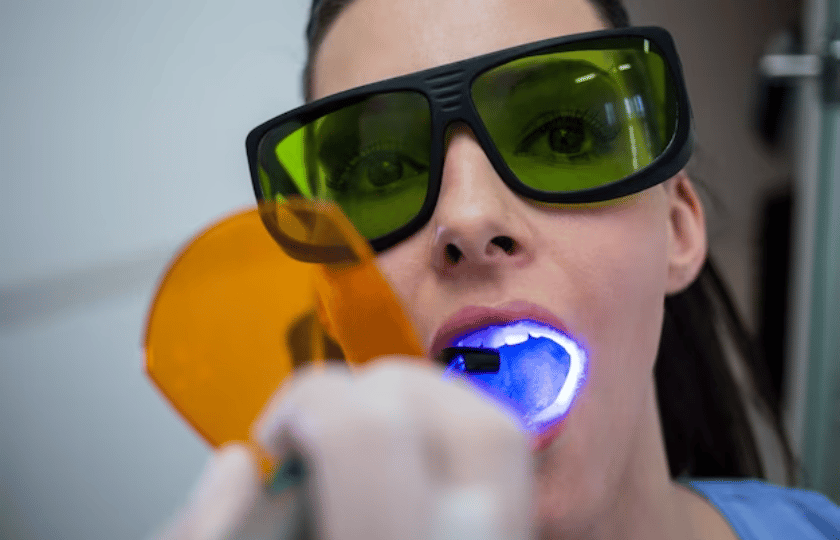
Fortunately, advancements in dental technology have introduced a minimally invasive alternative: laser treatment for gum disease. This innovative approach utilizes focused laser energy to target and eliminate infected tissue with remarkable precision.
Stages and Symptoms of Gum Disease
Before delving into laser treatment, let’s gain a basic understanding of gum disease. It progresses through various stages, each characterized by distinct symptoms:
1. Gingivitis: This is the initial and mildest form of gum disease. Symptoms include swollen, red, and tender gums that bleed easily during brushing or flossing. Gingivitis is reversible with proper oral hygiene practices and professional cleanings.
2. Periodontitis: If gingivitis remains untreated, it can advance to periodontitis, a more severe gum infection that damages the underlying bone structure supporting your teeth. Symptoms include persistent bad breath, receding gums, loose teeth, and pus formation around the teeth. In advanced stages, teeth become increasingly loose and may eventually fall out.
How Laser Treatment Works for Gum Disease
Laser treatment for gum disease, often referred to as Laser-Assisted New Attachment Procedure (LANAP), offers a precise and minimally invasive approach to fight infection and promote healing. Here’s a breakdown of the process:
1. Consultation and Diagnosis: During a consultation, your dentist will assess your gum health, including the depth of gum pockets and any signs of bone loss. X-rays may be taken for a comprehensive evaluation. Based on the severity of your gum disease, your dentist will determine if laser treatment is the most suitable option.
2. Laser Application: A thin fiber optic laser is used to target and remove inflamed gum tissue and bacteria within the periodontal pockets. The laser’s precision allows for the removal of diseased tissue while preserving healthy gum tissue.
3. Deep Cleaning: Following laser application, your dentist will typically use ultrasonic scaling tools to remove any remaining plaque and tartar buildup on the tooth surfaces.
4. Stimulating Healing: In some cases, the laser can be used to stimulate the growth of new healthy gum tissue.
Benefits of Laser Treatment for Gum Disease
Laser treatment offers several advantages over traditional SRP methods for treating gum disease. Here are some key benefits:
1. Minimally Invasive: Lasers provide a more precise and targeted approach, minimizing damage to healthy gum tissue. This often translates to less discomfort and bleeding during the procedure.
2. Reduced Discomfort: Compared to SRP, laser treatment often results in less post-operative pain and swelling, offering a more comfortable recovery experience.
3. Faster Healing: Laser therapy can stimulate blood clotting and promote faster healing of the treated area.
4. Reduced Risk of Infection: Lasers have a sterilizing effect that helps eliminate bacteria during treatment, potentially reducing the risk of post-operative infections.
5. Improved Patient Experience: The minimally invasive nature and reduced discomfort associated with laser treatment often lead to a more positive patient experience.
What to Expect After Laser Treatment for Gum Disease
Following laser treatment, you can expect some minor discomfort and sensitivity in the treated area. Your dentist will provide specific post-operative care instructions, which may include:
- Using pain medication as needed.
- Maintaining a soft diet for a few days.
- Practicing gentle brushing and flossing.
- Scheduling follow-up appointments to monitor healing progress.
Laser treatment for gum disease offers a promising and minimally invasive approach to fight infection and promote healing. If you’re struggling with gum disease and seeking a more comfortable treatment option, consult with your dentist to discuss if laser treatment is right for you. By working with your dentist and implementing a consistent oral hygiene routine, you can effectively manage gum disease and maintain a healthy smile.