6100 W. 41st St. Sioux Falls, SD 57106
If you’ve chipped a tooth, noticed uneven edges, or feel unhappy with a small imperfection in your smile, tooth bonding often becomes one of the first treatment options your dentist might suggest. But before committing, most patients have one very common concern — does tooth bonding hurt?
Any dental procedure can make people anxious, especially when they’re unsure what to expect. Tooth bonding is one of the least invasive cosmetic treatments available today. It’s designed to be quick, comfortable, and completely safe, often requiring no anesthesia.
This blog explains dental bonding, how it works, how the procedure feels, and what you can expect during and after treatment.
Understanding Tooth Bonding and Its Purpose
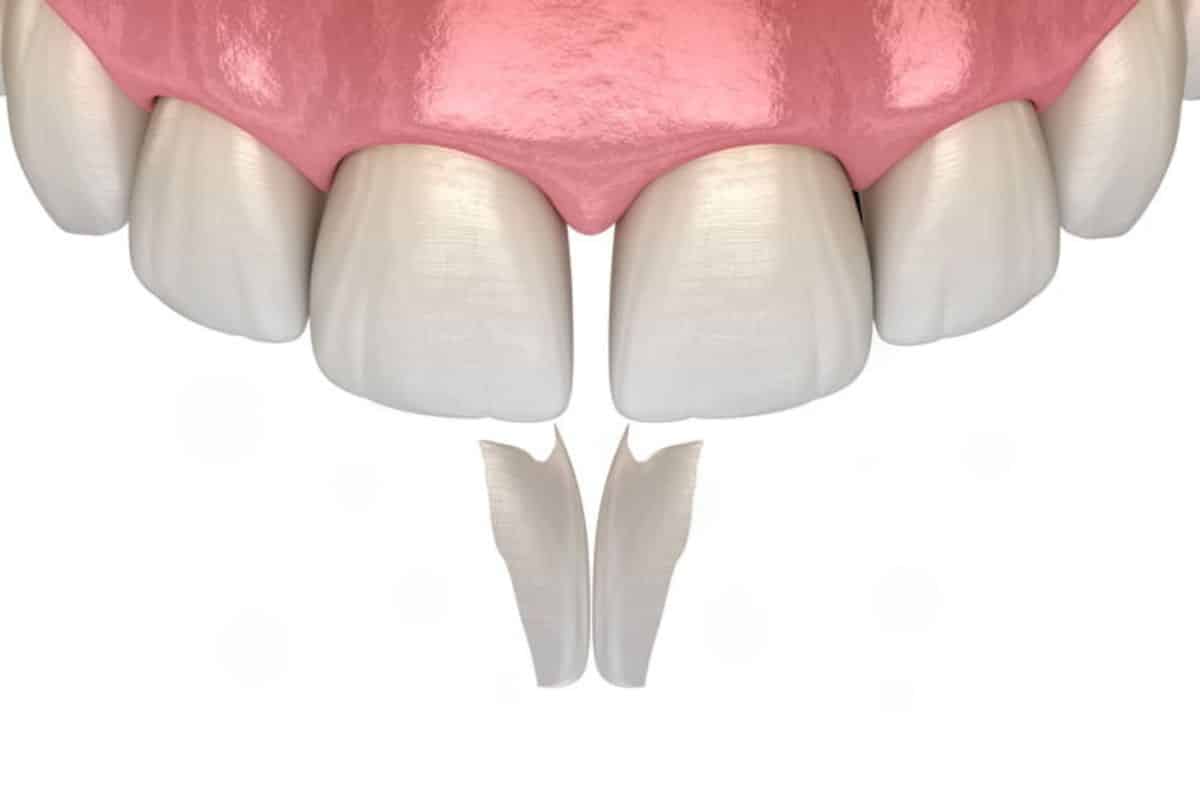
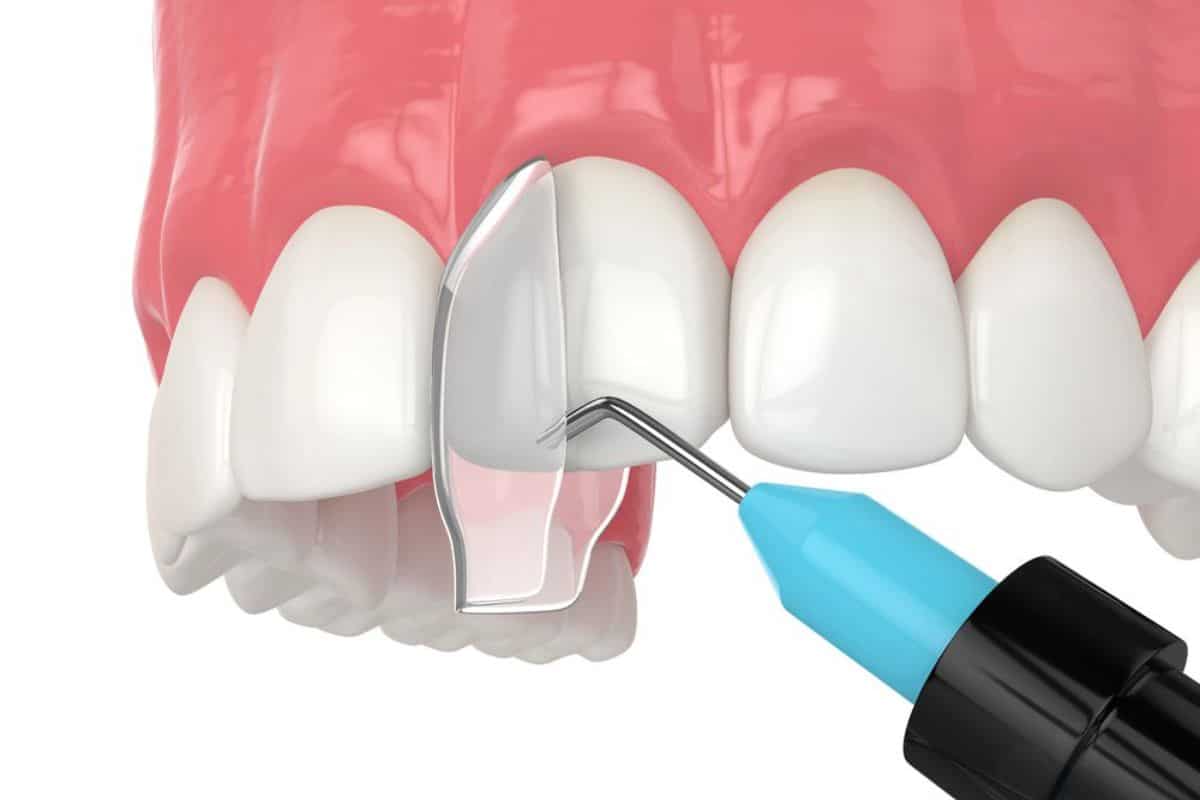
Before discussing whether dental bonding hurts, let’s start with the treatment. It is a cosmetic dental procedure used to repair small imperfections like chips, cracks, stains, or gaps. During the process, your dentist applies a tooth-colored resin (a special composite material) to the affected area. The resin is then shaped, smoothed, and hardened with a curing light to look and feel like your natural tooth.
The beauty of dental bonding lies in its simplicity. The procedure can be completed in a single appointment, usually within an hour, and doesn’t require the removal of healthy tooth enamel. For patients who want fast, aesthetic results without undergoing major dental work, dental bonding is a great choice.
Does Tooth Bonding Hurt During the Procedure?
For most people, tooth bonding is entirely painless. Dentists rarely use anesthesia unless it is necessary to fill a cavity or cover an exposed nerve. The surface of your tooth is lightly etched or roughened to help the bonding material adhere properly — a step that doesn’t cause pain.
Here’s what typically happens:
- The dentist cleans and prepares the tooth.
- A mild solution is applied to the surface to help the resin bond securely.
- The composite resin is applied, shaped, and sculpted to look natural.
- A special curing light hardens the material in seconds.
- Finally, the tooth is polished until it matches the shine of your natural teeth.
Throughout the process, you may feel gentle pressure or slight vibration from the dental tools, but not pain. Most patients are surprised at how quick and comfortable the experience is.
So, if the question “Does dental bonding hurt?” still lingers in your mind, rest assured, it’s one of the most comfortable treatments in cosmetic dentistry.
What to Expect After Tooth Bonding
A common follow-up concern is whether tooth bonding hurts or causes any discomfort after the appointment. While most people experience no pain, a few may notice mild sensitivity to hot or cold foods for a day or two — especially if the bonding was done close to the gum line or on a previously damaged tooth.
This temporary sensitivity can be easily managed with over-the-counter pain relief or desensitizing toothpaste. After treatment, you can return to your routine — eat, talk, and smile confidently.
Bonded teeth are strong, but it’s important to remember that they’re not indestructible. Avoid biting down on ice, hard candy, or fingernails to prevent accidental chipping.
How Long Does Tooth Bonding Last?
While answering whether bonding hurts, it’s worth discussing how long the results last. This dental treatment isn’t permanent, but it’s impressively durable for a noninvasive treatment. With good oral hygiene and regular dental visits, the results can last anywhere from five to ten years.
Its lifespan depends on your habits. Brushing twice daily, flossing, and avoiding staining foods like coffee or red wine will help keep the resin material looking natural. If the bonded area ever chips or wears down, it’s easy to repair or reapply.
Tooth bonding not only enhances your smile but does so with minimal discomfort and maintenance.
Caring for Your Teeth After Bonding
Caring for your teeth after this procedure is simple — no special products or routines are required. Here are some easy care tips:
- Brush twice a day with a soft-bristle toothbrush.
- Use non-abrasive toothpaste to prevent surface scratches.
- Floss daily to keep your gums and teeth healthy.
- Avoid hard or sticky foods that could chip the bonding.
- Schedule dental check-ups every six months to ensure your bonding remains intact.
Bonding can stain over time, so limiting foods and drinks that cause discoloration is best. Your dentist can also polish the surface periodically to keep it looking bright and smooth.
A Comfortable Path to a Confident Smile
If you’ve been hesitant to fix a chipped or uneven tooth because you’re worried about pain, you might wonder — does tooth bonding hurt? The good news is that it’s a quick, gentle procedure designed with your comfort in mind. In most cases, tooth bonding doesn’t hurt, making it an easy and effective way to restore your smile’s beauty and boost your confidence.
For those ready to explore their options, visit Designer Dentistry & Smiles Sioux Falls to learn how tooth bonding can transform your smile safely and comfortably. Our caring team will walk you through every step and ensure you leave with a smile that feels as good as it looks. Schedule your appointment today and take the first step toward a confident, radiant smile.