6100 W. 41st St. Sioux Falls, SD 57106
The loss of multiple teeth can significantly impact both oral health and overall well-being. Dental bridges stand as a comprehensive and effective solution to restore the aesthetics, functionality, and health of your smile when faced with the challenge of multiple missing teeth. In this blog, we will explore the various aspects of dental bridges, including the different types, the benefits they offer, and the essential information you need to make informed decisions about this transformative dental procedure.
Understanding Dental Bridges
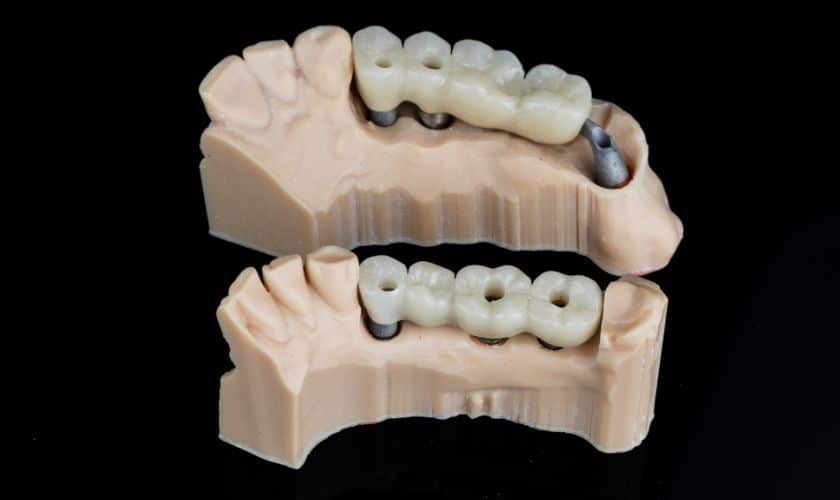
Dental bridges are prosthetic devices designed to bridge the gap created by one or more missing teeth. These restorations consist of one or more artificial teeth (pontics) that are anchored in place by dental crowns on adjacent natural teeth or dental implants. By closing the gap, dental bridges restore the appearance of a complete smile while preventing potential dental issues caused by tooth loss.
Types of Dental Bridges
- Traditional Dental Bridges:
- Traditional bridges consist of pontics held in place by dental crowns attached to adjacent natural teeth. These natural teeth, known as abutments, serve as anchors for the bridge. Traditional bridges are a common and effective solution when natural teeth on either side of the gap are healthy and suitable for crowns.
- Cantilever Dental Bridges:
- Cantilever bridges are similar to traditional bridges but are supported by a single dental crown instead of two. This makes them suitable for situations where only one natural tooth is available adjacent to the gap.
- Maryland Bonded Bridges:
- Maryland-bonded bridges use a metal or porcelain framework bonded to the backs of adjacent natural teeth instead of dental crowns. This conservative option is often chosen when minimal alteration of adjacent teeth is desired.
- Implant-Supported Bridges:
- Implant-supported bridges are anchored by dental implants instead of natural teeth. This option is ideal for those with multiple missing teeth closed or when the adjacent natural teeth are not suitable for crowns. Implant-supported bridges offer increased stability and prevent bone loss in the jaw.
Benefits of Dental Bridges for Multiple Missing Teeth
- Restored Aesthetics:
- Dental bridges recreate a natural-looking smile, enhancing facial aesthetics and boosting confidence. The prosthetic teeth are crafted to match the color, shape, and size of the surrounding natural teeth.
- Improved Functionality:
- Bridges restore the ability to chew and speak properly, addressing functional challenges that often arise with multiple missing teeth. This improvement in functionality positively impacts overall nutrition and quality of life.
- Preservation of Jaw Bone Health:
- Implant-supported bridges contribute to the preservation of jaw bone health by stimulating the bone just like natural teeth roots. This prevents the bone loss that can occur with untreated tooth loss.
- Prevention of Shifting Teeth:
- Dental bridges prevent neighboring teeth from shifting into the gap left by missing teeth. This helps maintain the proper alignment of teeth and prevents bite issues.
- Minimized Risk of Gum Disease:
- Gaps left by missing teeth can create spaces where bacteria accumulate, increasing the risk of gum disease. Dental bridges seal these gaps, promoting better oral health.
Essential Considerations and Aftercare
- Dental Bridge Placement Procedure:
- The process involves an initial consultation, preparation of the abutment teeth or implants, impressions, and the fabrication of the custom bridge. The final step is the placement and adjustment of the bridge for optimal comfort and function.
- Maintaining Oral Hygiene:
- Regular and thorough oral hygiene practices are crucial for maintaining the health of the natural teeth, dental crowns, and supporting structures. Brushing, flossing, and regular dental check-ups are essential components of aftercare.
- Dietary Considerations:
- While dental bridges can restore chewing function, it’s advisable to avoid excessively hard or sticky foods that could potentially damage the prosthetic or natural teeth.
- Longevity of Dental Bridges:
- With proper care, dental bridges can last for many years. Regular check-ups with your cosmetic dentist allow for the early detection and correction of any issues that may arise.
Dental bridges for multiple missing teeth offer comprehensive solutions to restore the beauty and functionality of your smile. Whether opting for traditional, cantilever, Maryland bonded, or implant-supported bridges, the transformative impact on your oral health and overall well-being is undeniable. Consult with your dentist to determine the most suitable type of dental bridge for your unique situation and embark on a journey towards a complete and confident smile.