6100 W. 41st St. Sioux Falls, SD 57106
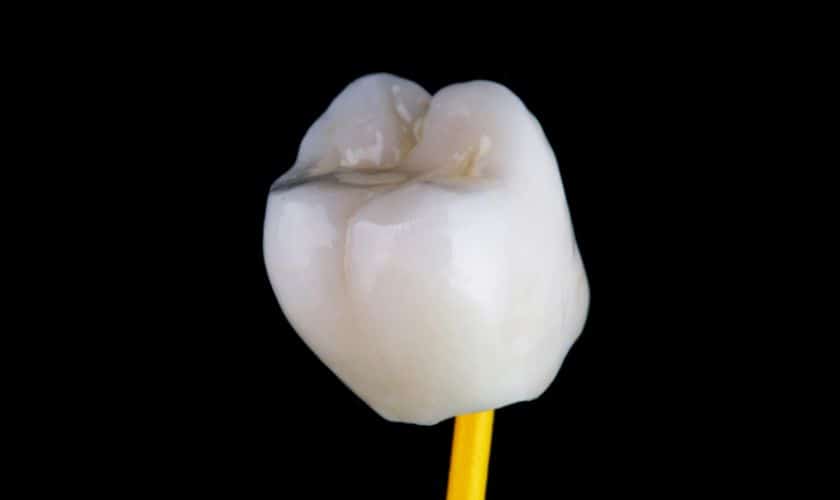
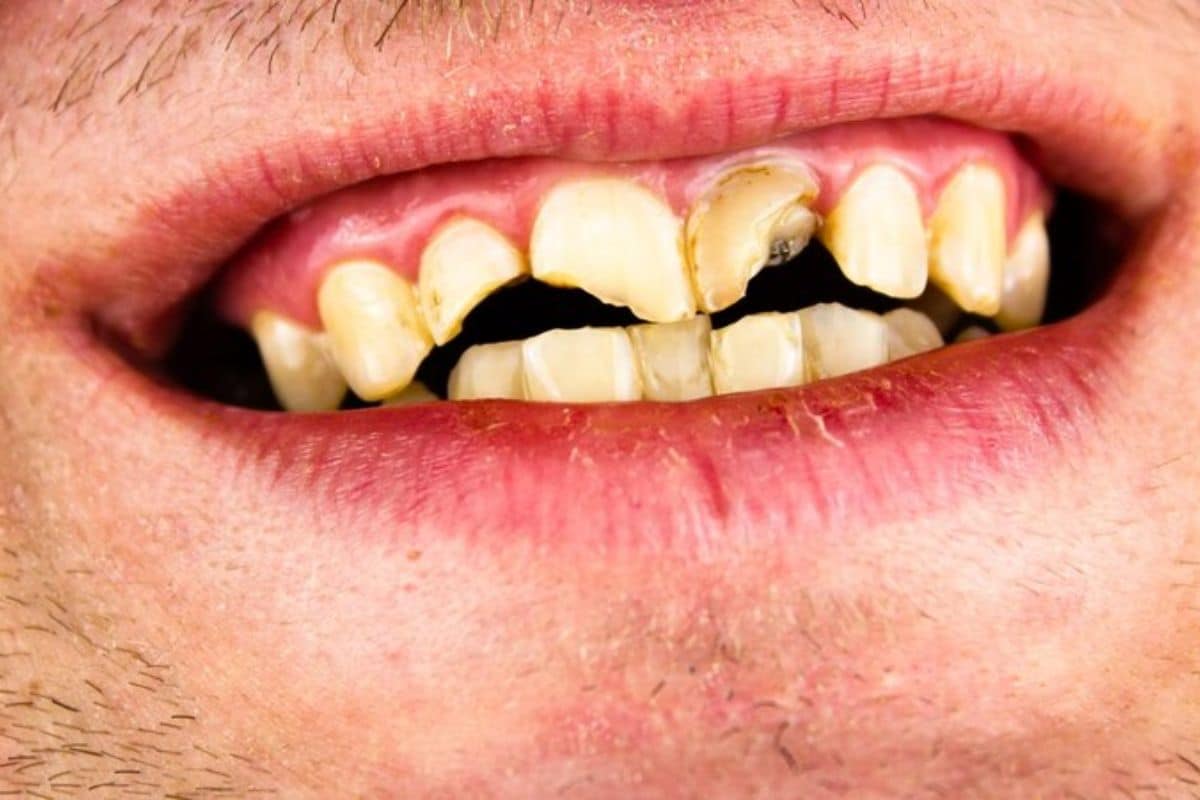
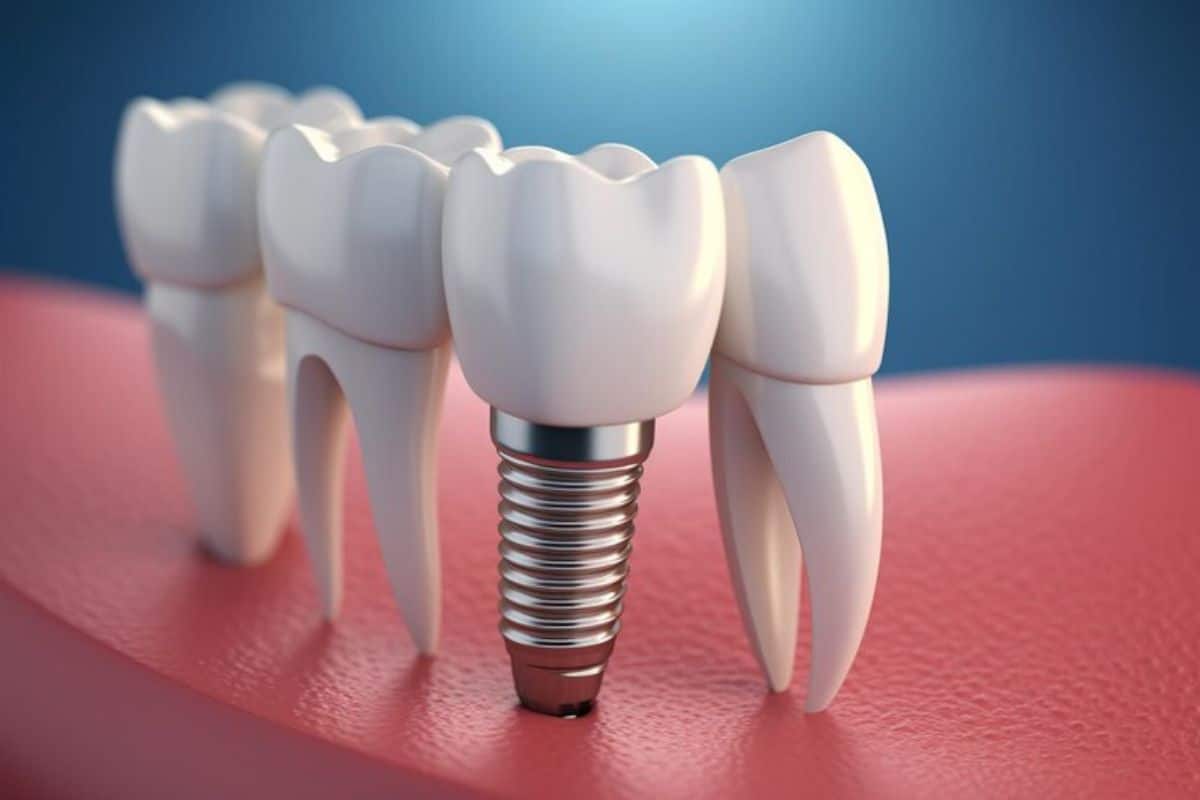
Dental crowns are versatile dental restorations that offer a multitude of benefits. They can strengthen a cracked tooth, improve the aesthetics of a discolored tooth, and even replace a missing tooth altogether. However, some patients experience tooth sensitivity after getting dental crowns placed. This sensitivity is usually temporary, but it can be uncomfortable. This guide will equip you with the knowledge to address tooth sensitivity related to dental crowns.
Reasons for Tooth Sensitivity After Dental Crowns
Tooth sensitivity is a common occurrence after receiving dental crowns. It’s important to understand why this happens. Here are the main reasons:
1. Irritation of the Pulp: The placement of dental crowns involves removing some of the tooth’s enamel, which exposes the underlying dentin. Dentin contains microscopic tubules that lead directly to the tooth’s pulp, where the nerves reside. During the procedure, these tubules can become irritated, leading to sensitivity.
2. Inflammatory Response: The body’s natural response to any dental procedure can involve inflammation. This inflammation can irritate the nerves around the crowned tooth, causing sensitivity.
3. Improper Crown Fit: In rare cases, a dental crown that doesn’t fit perfectly can allow hot or cold stimuli to reach the dentin, triggering sensitivity.
How Long Does Tooth Sensitivity Last?
The good news is that tooth sensitivity after dental crowns is typically temporary. In most cases, it subsides within a few days to a couple of weeks. However, if the sensitivity persists for longer than two weeks, it’s crucial to schedule a follow-up appointment with your dentist to rule out any underlying issues.
Ways to Manage Tooth Sensitivity After Dental Crowns
There are steps you can take to manage tooth sensitivity after getting dental crowns placed:
-
Post-Operative Care: Following your dentist’s specific instructions for post-operative care is essential. This may include avoiding very hot or cold foods and beverages, using a soft-bristled toothbrush, and maintaining a gentle flossing routine.
-
Desensitizing Toothpaste: Using toothpaste formulated for sensitive teeth can significantly reduce discomfort. These toothpastes contain ingredients like potassium nitrate or stannous fluoride that help block the tubules in the dentin, preventing them from transmitting sensitivity signals to the nerves.
-
Pain Relievers Medication: Over-the-counter pain relievers like ibuprofen or acetaminophen can help manage any lingering discomfort.
-
Dietary Modifications: Temporarily avoiding acidic or sugary foods and drinks can be beneficial. Acidic foods can irritate the dentin, while sugary foods can promote bacterial growth, potentially leading to inflammation and sensitivity.
-
Nightguards: If you grind your teeth at night, a custom-made nightguard can protect your teeth and reduce sensitivity. Grinding or clenching teeth can put additional stress on the crowned tooth, exacerbating sensitivity.
How to Prevent Tooth Sensitivity Before It Starts
While some degree of sensitivity after getting dental crowns is common, there are ways to minimize the risk:
1. Choose an Experienced Dentist: Selecting a qualified and experienced dentist who uses high-quality materials and techniques can significantly reduce the chances of complications, including sensitivity.
2. Communicate Concerns: Be upfront with your dentist about any concerns you have regarding tooth sensitivity before the procedure. They can discuss appropriate measures to minimize the risk.
3. Maintain Good Oral Hygiene: Excellent oral hygiene practices like brushing twice daily, flossing regularly, and attending regular dental checkups are crucial for maintaining overall oral health and preventing issues that might necessitate dental crowns in the first place.
By following these tips, you can significantly reduce the likelihood of experiencing tooth sensitivity after getting dental crowns. If you experience any discomfort, don’t hesitate to reach out to your dentist for guidance and appropriate treatment. With proper care and management, dental crowns can restore the health and function of your teeth while maintaining a beautiful smile.