6100 W. 41st St. Sioux Falls, SD 57106
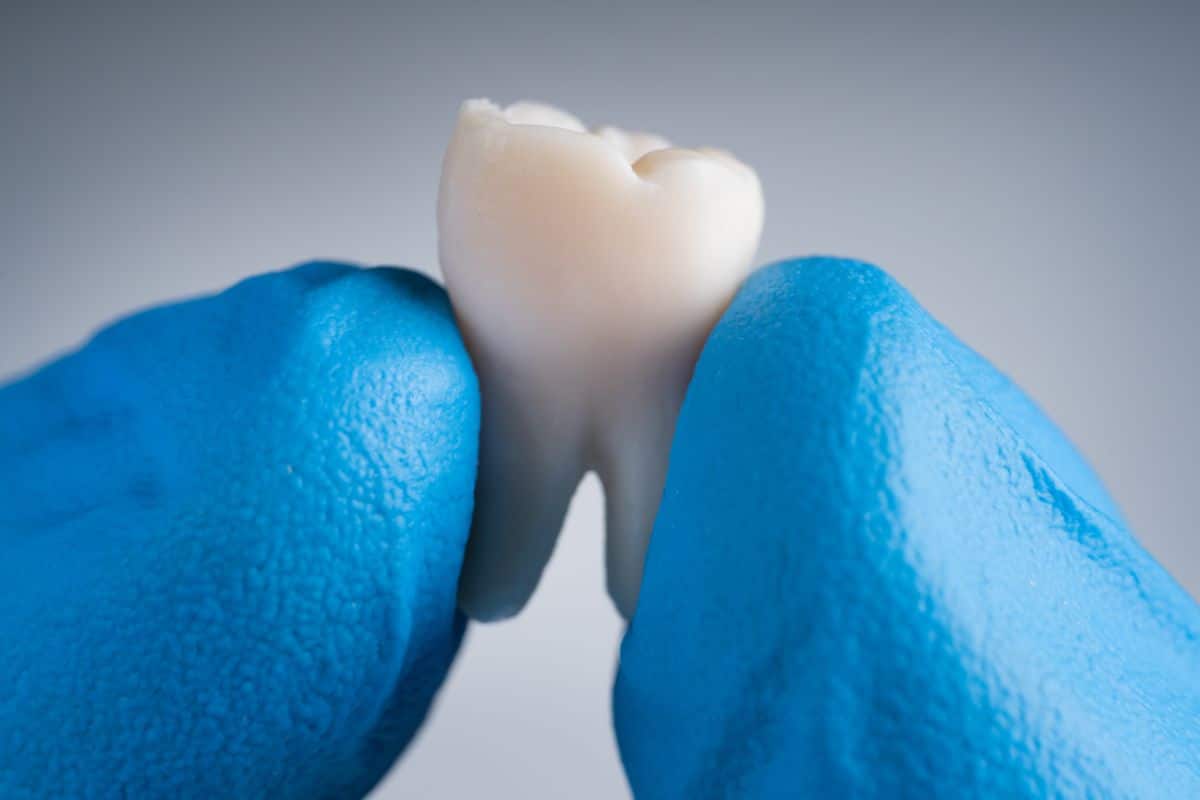
The early signs of enamel erosion often appear slowly, which makes them easy to ignore at first. Many people notice small changes in their teeth but do not realize these signs may point to a bigger problem developing over time.
At Designer Dentistry & Smiles Sioux Falls, many patients mention sensitivity or changes in tooth appearance before learning that enamel damage has already started. Since enamel protects the outer surface of your teeth, keeping it strong is important for long-term oral health.
When you understand the warning signs early, you can take action before the damage becomes more serious. Knowing what to watch for helps protect your teeth and supports better daily care.
What Is Enamel and Why Does It Matter?
Enamel is the hard outer layer that protects your teeth from daily wear. It helps shield your teeth from hot and cold foods, chewing pressure, and harmful acids.
Although enamel is the strongest substance in the body, it cannot grow back once it wears away. That is why prevention matters so much.
Common causes of enamel damage include:
- Acidic foods and drinks
- Frequent soda or sports drink consumption
- Acid reflux
- Teeth grinding
- Poor oral hygiene
- Dry mouth
- Frequent snacking on sugary foods
Understanding these causes makes it easier to notice the early signs of enamel erosion before serious problems begin.
Increased Tooth Sensitivity
Pain with Hot, Cold, or Sweet Foods
One of the most common warning signs is tooth sensitivity. You may feel discomfort when drinking cold water, eating ice cream, or having hot coffee.
This happens because the protective outer layer becomes thinner, allowing the inner parts of the tooth to react more easily.
Sensitivity may start mildly, but it often gets worse if ignored.
Why This Should Not Be Ignored
Many people assume sensitivity is temporary. However, it is often one of the first early signs of enamel erosion and deserves attention.
If you live nearby and notice this issue often, visiting a trusted Sioux Falls dentist can help you identify the cause early and prevent further damage.
Teeth Looking More Yellow
The Inner Layer Becomes More Visible
As enamel becomes thinner, the yellowish dentin underneath starts to show through. Teeth may look darker or less bright than before.
This color change does not always mean poor brushing habits. In many cases, it points to surface wear.
At Designer Dentistry & Smiles Sioux Falls, patients often ask about discoloration before learning that the real issue involves the early signs of enamel erosion.
Changes That Happen Gradually
Since this change happens slowly, many people do not notice it right away. Comparing recent photos can sometimes help you spot the difference.
Rough or Uneven Tooth Edges
Small Chips and Cracks
When enamel weakens, the edges of teeth may become rough, thin, or slightly chipped. Front teeth often show these signs first because they handle frequent daily use.
You may notice:
- Small rough spots
- Tiny cracks
- Uneven biting edges
- Teeth that feel thinner than before
These changes may seem minor, but they often signal the early signs of enamel erosion.
A Different Feeling When You Bite
Some people notice that their teeth feel different when they bite or chew. This can happen because the protective surface has started to wear down.
Smooth and Shiny Areas on Teeth
Loss of Natural Texture
Healthy enamel usually has a natural surface texture. When acid wears it down, some areas may start to look unusually smooth or shiny.
This often happens on the front teeth and can be easy to miss without a close look.
Why This Happens
Acid slowly removes the outer mineral layer, leaving the surface flatter and more polished-looking. This change is another one of the early signs of enamel erosion that many people overlook.
Small Dents on the Surface
Known as “Cupping”
Tiny dents or shallow dips can form on the chewing surfaces of teeth. Dentists often call this cupping.
These dents may appear:
- Near the center of the back teeth
- On biting surfaces
- Around old fillings
This happens because weakened enamel can no longer protect the tooth structure underneath.
Signs of Ongoing Wear
Cupping often shows that damage has been happening for some time, so early treatment becomes even more important.
How to Protect Your Enamel
Daily Habits That Help
Simple habits can reduce the risk of further damage and protect your teeth from future problems.
Helpful steps include:
- Drink more water
- Limit soda and acidic drinks
- Use fluoride toothpaste
- Avoid brushing immediately after acidic foods
- Wear a night guard if you grind your teeth
- Visit your dentist regularly
These habits help reduce the risk of worsening early signs of enamel erosion.
Professional Evaluation Matters
Home care can help, but a professional exam can detect problems that are difficult to see on your own. Early care often prevents more expensive treatment later.
When You Should See a Dentist
Do not wait for pain to become severe. Small signs often lead to bigger problems when left untreated.
You should schedule a dental visit if you notice:
- Frequent tooth sensitivity
- Yellowing teeth without a clear reason
- Rough or chipped edges
- Visible dents on teeth
- Shiny or unusually smooth surfaces
Recognizing the early signs of enamel erosion early gives you the best chance to protect your long-term dental health.
The early signs of enamel erosion can begin with small changes like sensitivity, yellowing, rough edges, or tiny dents. These signs may seem minor at first, but they often point to ongoing damage that should not be ignored. Early action helps protect your teeth, reduces future discomfort, and supports stronger oral health over time.
At Designer Dentistry & Smiles Sioux Falls, we help patients identify enamel concerns before they become serious. If you are noticing these warning signs, schedule your next appointment and receive personalized care designed to protect your long-term dental health.