6100 W. 41st St. Sioux Falls, SD 57106
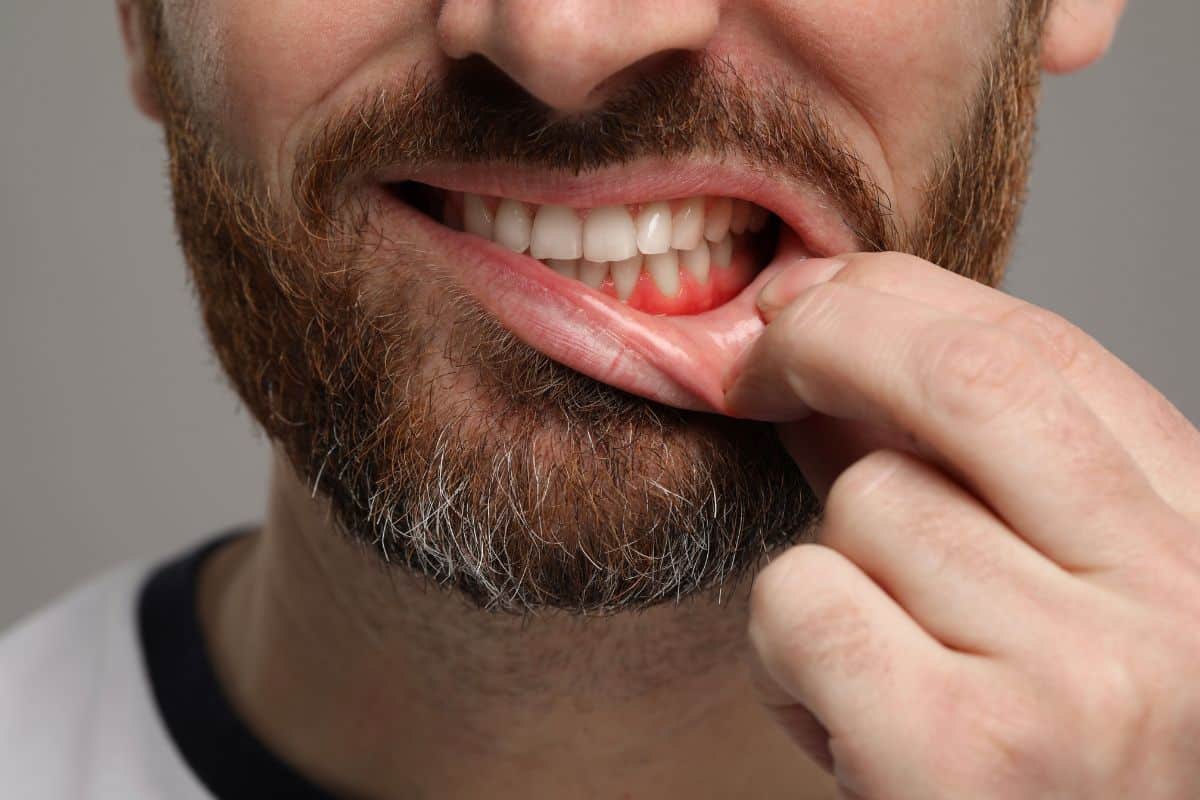
When we think about oral health, most of us immediately focus on our teeth, their whiteness, shape, and the importance of keeping them cavity-free. Nevertheless, did you know that your gums play just as important a role in your overall oral health? In fact, they’re the foundation that supports your teeth. Without healthy gums, even the brightest smile can be at risk.
If you’re in Sioux Falls, you’ve likely enjoyed a variety of local dishes, from deliciously spicy buffalo wings to the rich flavors of a South Dakota classic like chislic. As you savor these foods, your gums are working hard to protect your teeth and keep your smile strong. If you neglect your gums, you might end up facing much more than just tooth sensitivity or bleeding. Gum disease has been linked to a host of serious health conditions, including heart disease, diabetes, and stroke. That’s why gum health should be at the forefront of every dental care routine.
The Foundation of Your Smile: Why Gums Matter
Your gums, or gingiva, act as a seal around your teeth, providing a barrier against bacteria. When this barrier is compromised, it’s not just your “pearly whites” at risk; it’s the bone and ligaments that hold them in place. In this city, locals take pride in our community’s longevity and health, understanding that this connection is vital.
Whether you are grabbing a quick bite at the Phillips Avenue Diner or enjoying a steak at Morrie’s Steakhouse, your gums are working hard to protect your mouth from the sugars and acids in your favorite local delicacies. Our Sioux Falls dentists at Designer Dentistry & Smiles Sioux Falls will often tell you that while a cavity affects a single tooth, gum disease can threaten your entire mouth. Gum health is the silent engine of your dental well-being, often ignored until it starts making noise.
Warning Signs You Shouldn’t Ignore
One of the reasons gum disease is so prevalent is that its early symptoms are often dismissed. You might think a little pink after brushing is normal, but it is one of the first signs of trouble.
- Persistent Bad Breath: Also known as halitosis, this can be caused by the gasses released by bacteria hidden in periodontal pockets.
- Receding Gums: If your teeth look “longer” than they used to, your gums may be pulling away.
- Tenderness or Swelling: Gums that feel puffy or sore are actively fighting an infection.
- Changes in Bite: If your teeth feel like they fit together differently, it could indicate bone loss in the jaw.
Systemic Connections: Beyond the Mouth
Medical research has increasingly shown that oral health is a window into your overall well-being. The bacteria associated with periodontal disease don’t just stay in your mouth; they can enter the bloodstream and contribute to systemic health issues. Chronic inflammation in the gums has been linked to heart disease, diabetes, and respiratory issues.
For instance, endocarditis, an infection of the inner lining of your heart chambers or valves, typically occurs when bacteria from another part of your body, such as your mouth, spread through your bloodstream. Furthermore, there is a bidirectional relationship between gum health and diabetes. While periodontal disease can make it harder to control blood sugar, high blood sugar levels can also make gum infections more likely and more severe.
Tips to Maintain Your Optimal Gum Condition
Fortunately, keeping your gums healthy doesn’t require complicated procedures or expensive treatments. The key is consistency. Here’s how you can protect your gums:
- Brush and Floss Daily: Brushing your teeth with fluoride toothpaste twice a day is essential for keeping your gums clean. Equally important is flossing between your teeth daily to remove plaque buildup and food particles that brushing can’t reach.
- Schedule Regular Check-ups: Visiting your dentist regularly allows for early detection of gum issues. Professional cleanings can remove plaque and tartar that brushing and flossing alone can’t eliminate.
- Eat a Nutritious Diet: A healthy diet rich in vitamins A and C supports your gums. Foods like leafy greens, citrus fruits, and strawberries are particularly beneficial for gum health.
- Avoid Tobacco: Smoking is a major contributor to gum disease. It weakens your immune system, making it harder for your body to fight off infections, including those affecting your gums.
- Stay Hydrated: Drinking plenty of water throughout the day promotes saliva production, which helps wash away harmful bacteria from your mouth.
By maintaining a proper oral care routine and visiting your dentist regularly, you can prevent the onset of gum disease and keep your smile bright for years to come.
Local Factors That Impact Gum Health in Sioux Falls
The local climate and lifestyle can influence your gum health more than you might realize. While keeping up with a good oral hygiene routine is essential, it’s also important to be aware of how environmental and seasonal changes can affect your gums. Let’s explore some of the key local factors that can impact your gum health.
Cold Winters and Dry Indoor Air
The southeastern corner of South Dakota experiences harsh winters with temperatures frequently dropping below freezing. While the city itself doesn’t have a dry climate year-round, the cold weather can lead to dry indoor air from heating systems in homes and businesses. This lack of moisture in the air can result in a dry mouth, which reduces saliva flow. To combat dry mouth, make sure to drink plenty of water throughout the day and consider using a humidifier in your home to help maintain moisture levels.
Seasonal Allergies and Mouth Breathing
Allergy season can be intense, especially in the spring and fall when pollen levels rise. Many experience nasal congestion leading to mouth breathing, which dries out the gums and can cause irritation and infections. To prevent gum issues, stay hydrated, use allergy meds as directed, and consult your dentist.
Dietary Habits and Local Favorites
Local residents love hearty meals like chislic (skewered lamb or beef) and comfort food. While tasty, these can harm gum health if high in sugar or acid. Sugary foods promote plaque, and acidic foods like citrus can erode enamel and irritate gums. A diet rich in vitamins and minerals, such as greens and berries, supports healthy gums and teeth.
Frequent Temperature Fluctuations
Temperature swings here affect gum health, especially with the dry indoor heat in winter. Extreme cold and heat can increase gum sensitivity. Protect your gums by covering your face outdoors and avoiding very hot or cold foods that cause discomfort.
By taking these local factors into account and maintaining good oral care habits, you can protect your gums and keep your smile healthy throughout the year. Whether you’re enjoying a day out during winter or indulging in a summer BBQ, don’t forget to take care of your gums as they’re your smile’s first line of defense.
Prioritize Your Gum Health Today
Your gums are the foundation of a healthy, vibrant smile. By understanding the local factors in Sioux Falls that can affect your gum health and incorporating proper care into your routine, you can protect your gums from the risks of gum disease and other health complications. Don’t wait for symptoms to show up; taking proactive steps today can help you maintain your smile for years to come.
At Designer Dentistry & Smiles Sioux Falls, we’re here to help you achieve optimal gum health. Whether you’re due for a routine check-up or need specific care for gum disease, our team is ready to provide personalized care tailored to your needs.
Schedule your appointment today to ensure your gums stay strong and your smile stays bright. We look forward to helping you maintain a healthy, beautiful smile!
Frequently Asked Questions
Can gum disease be cured once it has started?
Gingivitis, the earliest stage, is completely reversible with professional cleaning and improved home care. However, advanced periodontitis cannot be “cured,” only managed to prevent further bone and tissue loss.
How often should I see a dentist for gum checks?
Most patients should schedule a professional exam every six months. If you have a history of gum disease, your dentist may recommend more frequent “periodontal maintenance” visits every three months.
Can my diet affect the health of my gums?
Absolutely. Diets high in sugar and refined carbs fuel plaque-causing bacteria, while foods rich in Vitamin C and phosphorus, like leafy greens and lean meats, strengthen the gum tissue and bone.
Are electric toothbrushes better for preventing gum disease?
Electric toothbrushes often provide more strokes per minute than manual brushing and include pressure sensors. These features help remove more plaque without scrubbing too hard, which protects delicate gum tissue.
Are bleeding gums during pregnancy normal?
Hormonal changes can make gums more sensitive to plaque, leading to “pregnancy gingivitis.” While common, it requires professional attention to ensure it doesn’t progress or affect your overall health.
What is the difference between a regular cleaning and a deep cleaning?
Regular cleanings focus on the surface of the teeth. A deep cleaning (scaling and root planning) goes beneath the gumline to remove tartar and smooth the roots, promoting healing.
Are you worried about your gum health or looking for a trusted dental home in the area? Schedule your appointment and keep your smile strong!