6100 W. 41st St. Sioux Falls, SD 57106
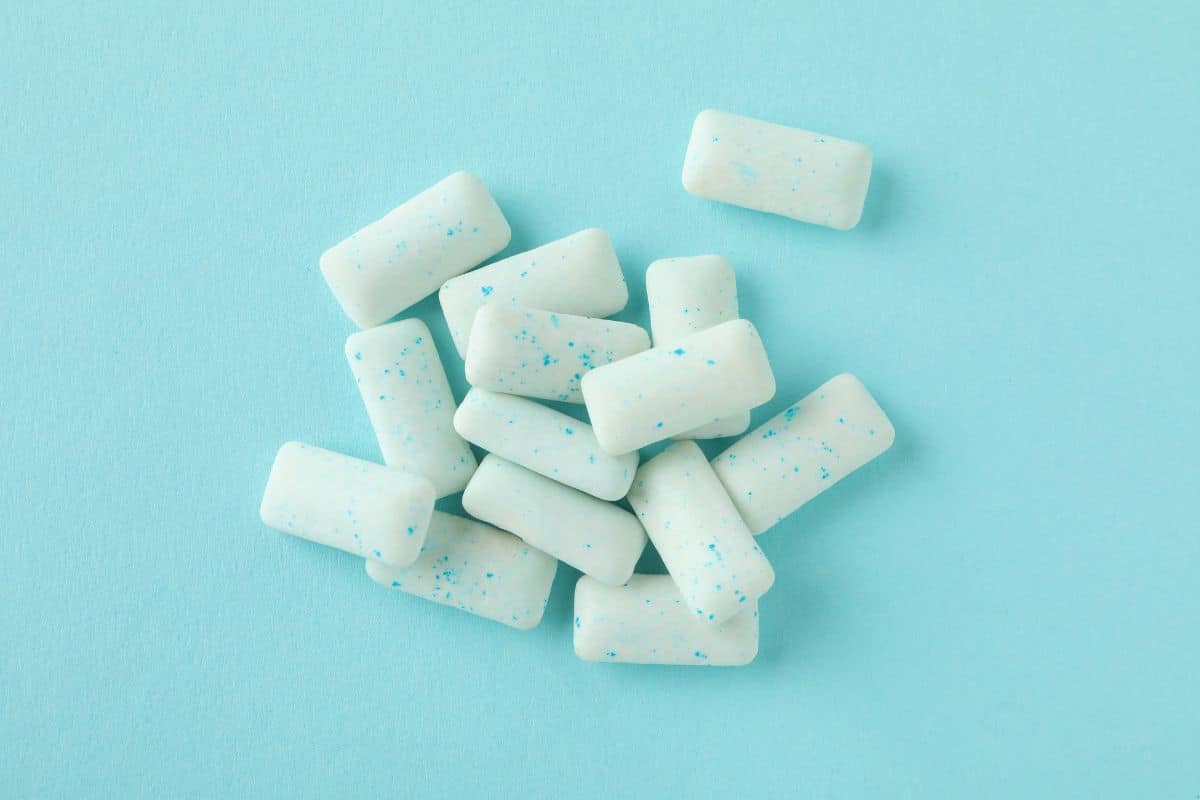
Chewing gum is a common habit, but many wonder whether it supports or is bad for your teeth. With so much conflicting information available, it is understandable to feel uncertain. The reality is that chewing gum can offer both advantages and potential drawbacks. In this blog, we will break down the facts so you can make informed choices for your oral health.
How Does Chewing Gum Affect Your Oral Health?
You chew gum for fresh breath or as a way to reduce stress. However, is chewing gum bad for your teeth? The answer depends on a few crucial factors. Keep reading to discover how gum affects your teeth and when it might be time to rethink your munching habits.
It can either support or harm your oral health depending on the type and frequency of use.
In our community, where fast-paced routines and on-the-go snacks are common, chewing gum can seem like a quick fix for oral hygiene. However, if you want to know whether your choices are helping or hurting your smile, it is best to seek personalized advice from a trusted, local Sioux Falls dentist who understands your lifestyle and dental history.
Sugar-Free vs. Sugary Gum: Why Does It Matter?
Not all gum is created equal. The biggest difference lies in whether it contains sugar.
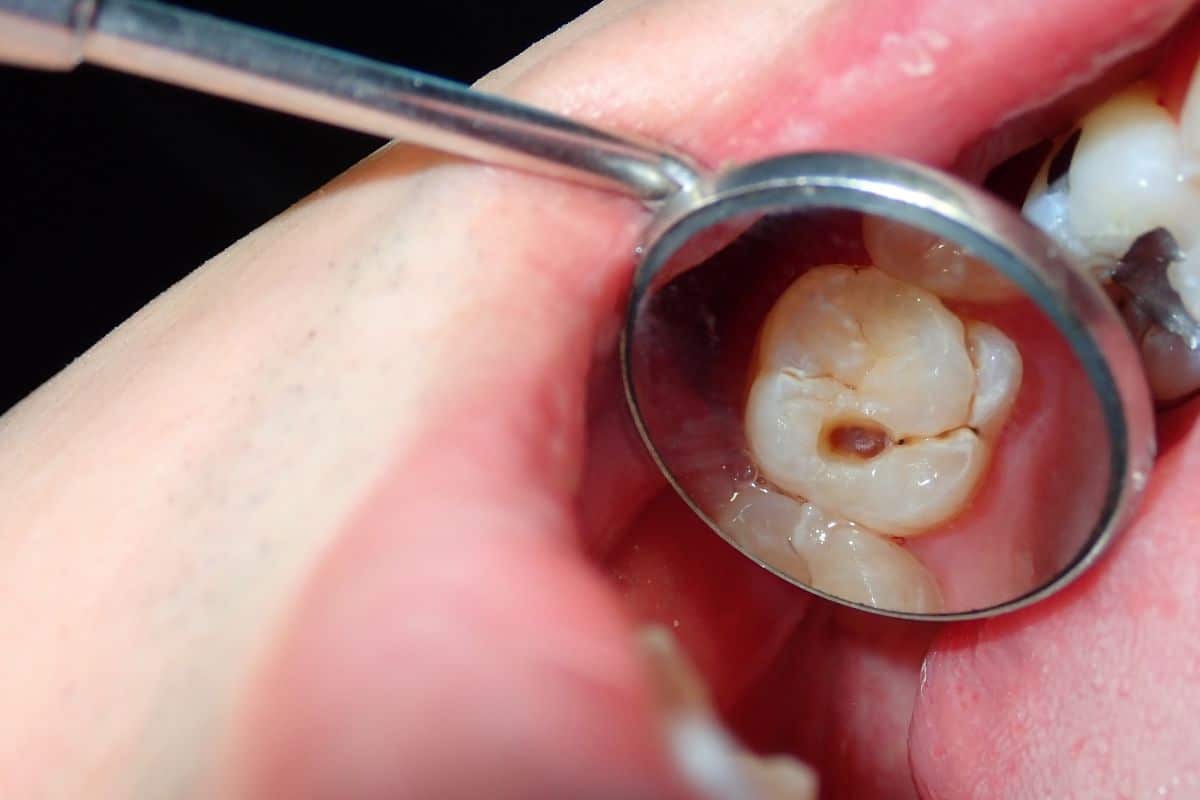
Consuming sugary gum feeds harmful bacteria in your mouth, which produce acids that wear down enamel and lead to cavities. This can increase your risk of tooth decay, especially if you regularly indulge in the habit.
Conversely, sugar-free gum can help protect your teeth. It encourages saliva flow, which helps wash away food particles, neutralize acids, and strengthen enamel with minerals. Some sugar-free gums even contain xylitol, a natural sweetener that reduces cavity-causing bacteria.
So, while sugary gum can damage teeth over time, sugar-free gum can support oral health when used responsibly.
The Role of Saliva Stimulation in Dental Health
If you’ve ever wondered if chewing gum is bad for your teeth, research shows that sugar-free gum can promote oral health by stimulating saliva production. Saliva is crucial in protecting teeth by neutralizing acids, washing away food debris, and supplying minerals like calcium and phosphate to repair enamel.
People with dry mouth, a condition that raises the risk of cavities and gum disease, often benefit from increased saliva flow. Choosing sugar-free gum after meals helps maintain a healthier oral environment, reducing acid attacks when teeth are most vulnerable.
Can Chewing Gum Cause Jaw Problems Like TMJ?
Even if you choose sugar-free gum, munching on it too often or aggressively can lead to other dental issues.
One common concern is jaw strain. Overusing your jaw muscles can result in soreness, fatigue, or even problems with your temporomandibular joint (TMJ).
In some cases, constant munching can also lead to dental wear, especially if you already have dental work like fillings, crowns, or braces. Therefore, it is vital to chew in moderation and remain aware of changes in how your jaw feels after gnawing on gum.
When Does Chewing On A Gum Become A Problem?
Do you frequently chew on gum for fresh breath or to mask other dental issues? This could be a sign of an underlying problem. Gum disease, tooth decay, and poor oral hygiene can all contribute to bad breath that no amount of gum will fix.
Instead of covering up the problem, visiting a dental professional who can assess your oral health is best. Regular cleanings and checkups can catch issues early and provide lasting solutions rather than temporary fixes.
How Long Should You Chew Gum To Benefit Your Teeth?
Gnawing on gums for too long can cause more harm than good. Experts recommend sucking or chewing a piece of sugar-free gum for about 10 to 20 minutes after eating. This is long enough to boost saliva flow and help clean your mouth without stressing your jaw muscles. If you chew beyond this window, you may risk wearing out your jaw or aggravating existing dental conditions. For the best results, keep your sessions short and purposeful.
Smart Chewing Habits You Should Follow To Protect Your Teeth
If you enjoy munching on a piece of gum, there is no need to quit, but you should be smarter with the habit. Here are a few tips:
- Always choose sugar-free gum, preferably one with xylitol.
- Limit chewing to 10–20 minutes after meals.
- Avoid gum chewing if you have TMJ pain or jaw tension.
- Don’t use gum to mask symptoms like bad breath – seek a dental checkup instead.
- Chewing gum should support, not replace, your brushing and flossing routine.
Also, if you have braces, crowns, or other dental appliances, talk to a local dentist before they become a habit. They can provide specific recommendations to avoid damaging your oral health.
Unsure If Gum Is Hurting Your Teeth? Let’s Talk
So, is chewing gum bad for your teeth? This can happen if you choose the wrong type of food or chew excessively. However, when used wisely, especially with sugar-free options, gum can support good oral health. If you are unsure what is best for your teeth, we can help. Our clinic, Designer Dentistry & Smiles, provides expert care tailored to your needs. Schedule an appointment today with our team and let us guide you toward better oral health with personalized support you can trust.