6100 W. 41st St. Sioux Falls, SD 57106
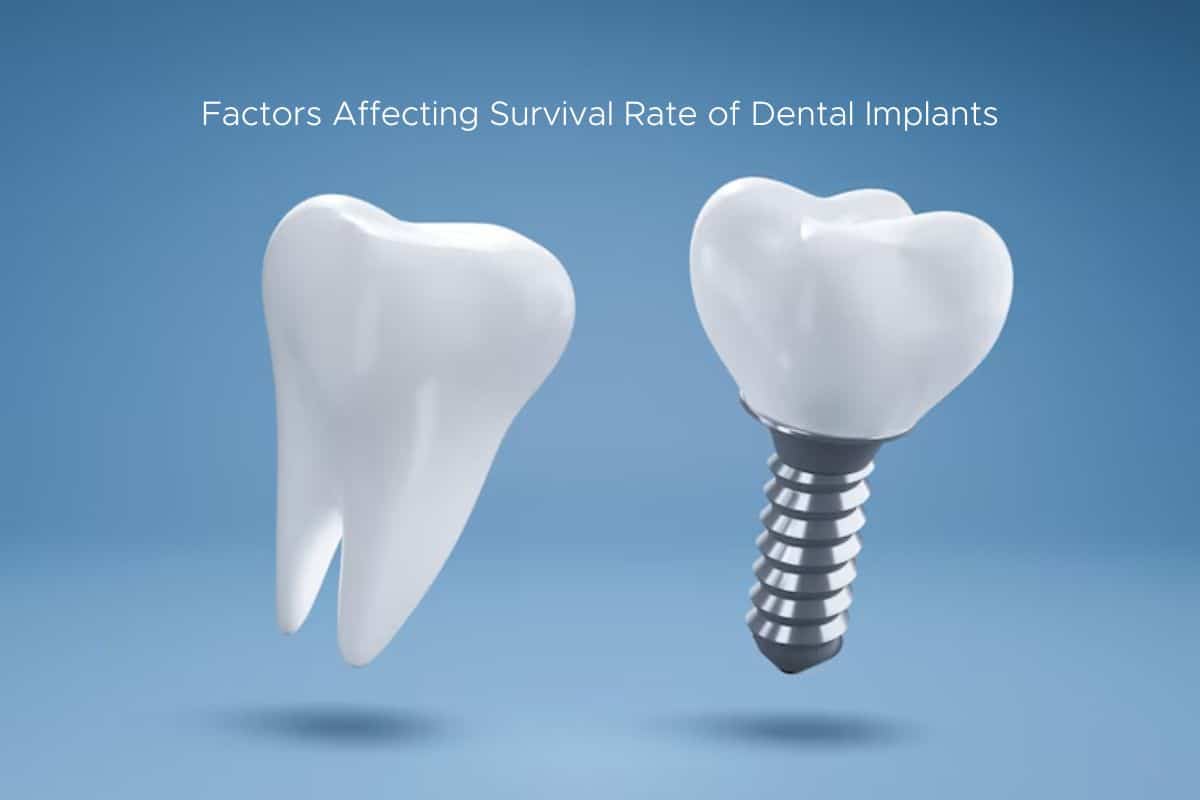
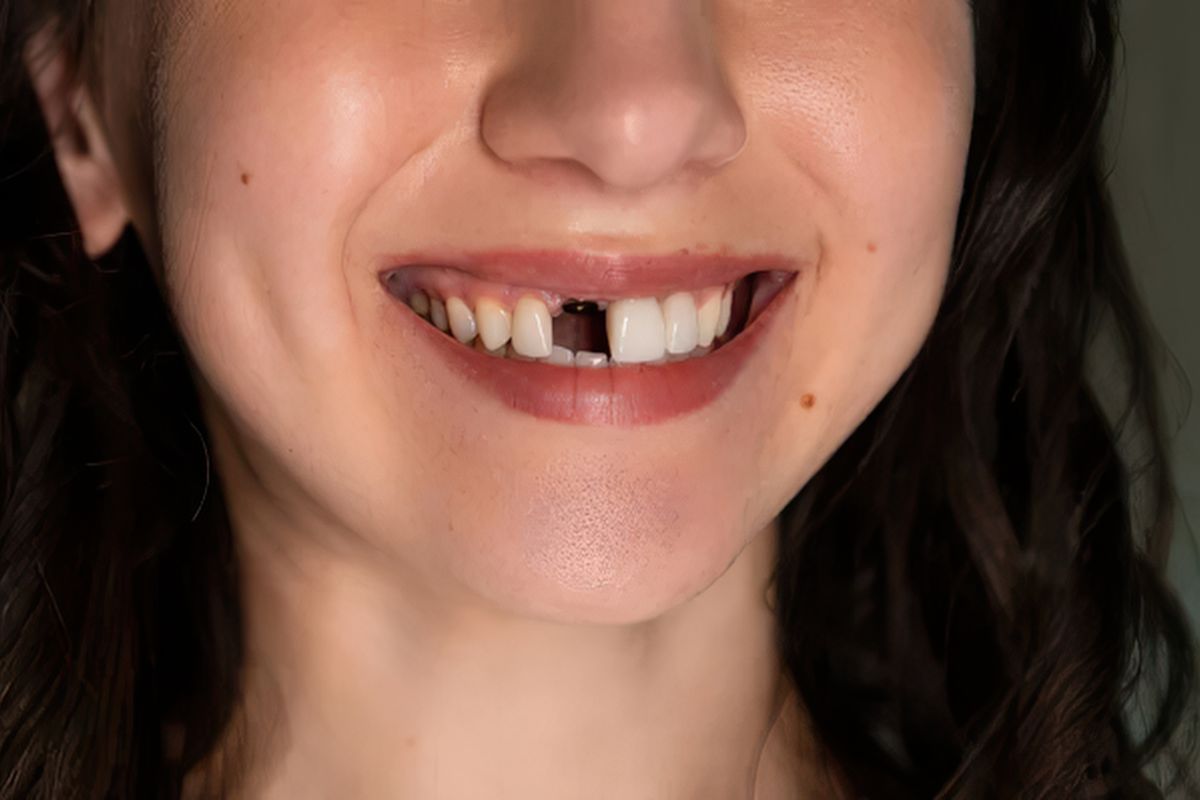
Dental implants have revolutionized the field of dentistry, offering a long-lasting solution for missing teeth. However, the survival rate of dental implants can vary based on several factors. Understanding these factors can help both patients and dental professionals make informed decisions. Here, we explore the critical elements that influence the success and longevity of dental implants.
Patient Health and Medical Conditions
1. General Health
A patient’s overall health is a significant determinant of the success of dental implants. Conditions such as diabetes, cardiovascular diseases, and autoimmune disorders can impact healing and integration of the implant. Patients with well-controlled diabetes have shown better implant success rates compared to those with uncontrolled diabetes.
2. Oral Health
The health of the patient’s mouth is equally important. Periodontal disease, for instance, can adversely affect the survival rate of dental implants. An implant dentist will typically ensure that any periodontal issues are resolved before proceeding with the implant procedure.
3. Bone Density and Quality
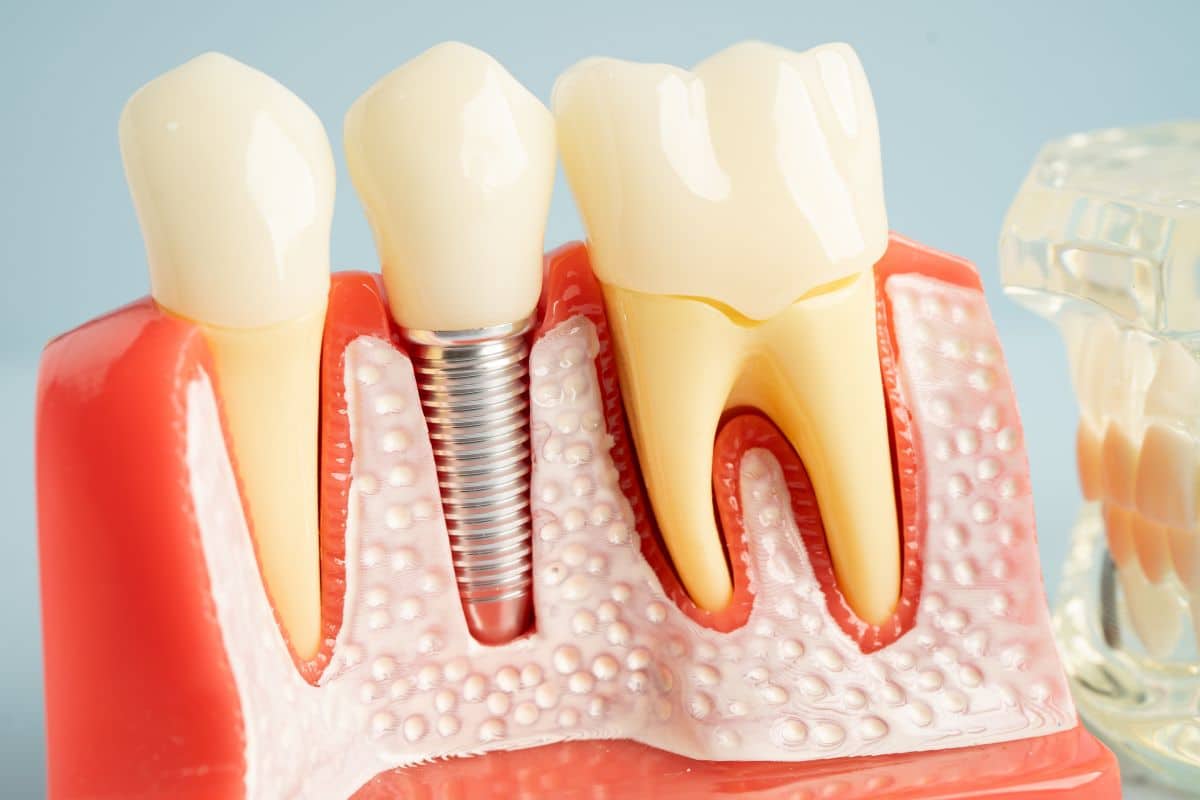
The density and quality of the jawbone where the implant is placed are crucial. Adequate bone volume is necessary to support the implant. Patients with insufficient bone may require bone grafting procedures before receiving dental implants.
Surgical Technique and Experience of the Implant Dentist
4. Surgical Expertise
The skill and experience of the implant dentist play a pivotal role in the outcome of the procedure. Experienced implant dentists are more likely to perform the surgery accurately, minimizing the risk of complications and increasing the likelihood of successful osseointegration (the process by which the implant bonds with the jawbone).
5. Placement Technique
The placement technique can also affect the implant’s survival. Advanced techniques, such as computer-guided implant placement, allow for precise positioning, reducing the risk of damaging surrounding structures and ensuring optimal integration.
Implant Design and Materials
6. Implant Material
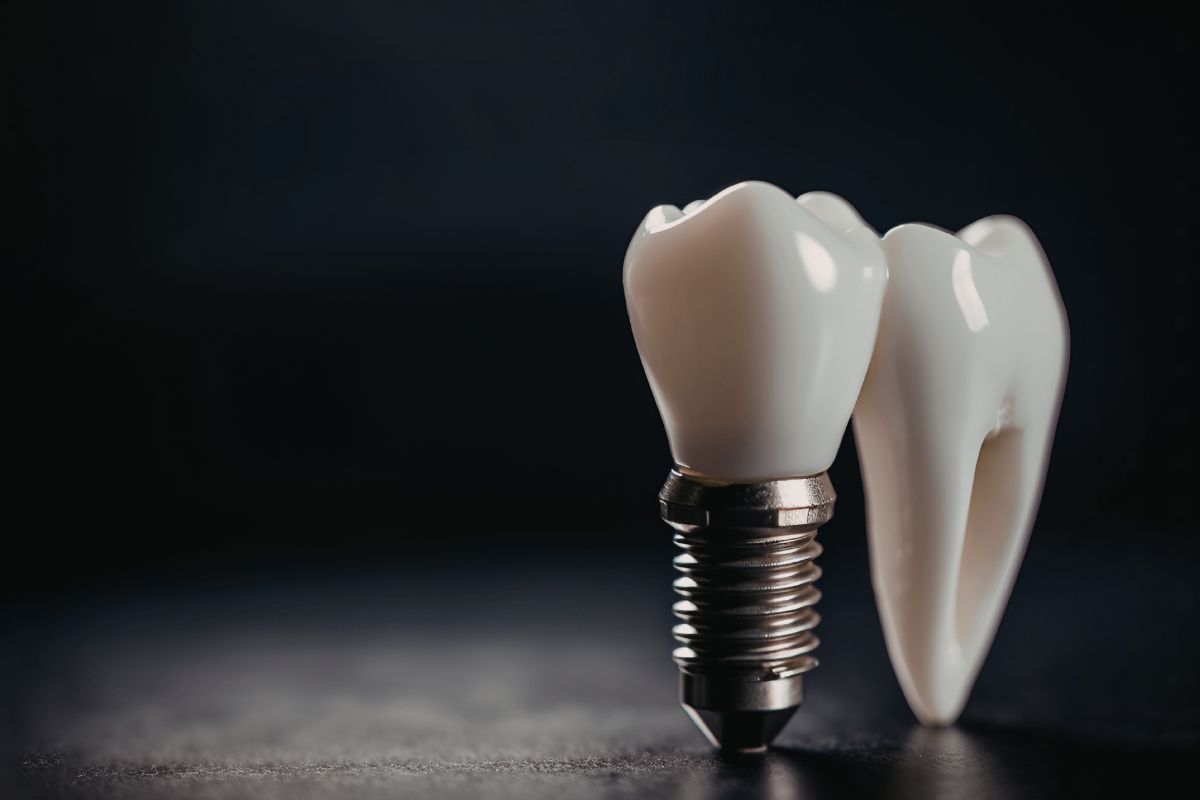
The materials used in the construction of the dental implant are essential for its longevity. Titanium implants are commonly used due to their biocompatibility and strength. However, zirconia implants are gaining popularity for their aesthetic benefits and compatibility with soft tissues.
7. Implant Surface
The surface characteristics of the implant also influence its integration with the bone. Rough or porous surfaces enhance bone attachment, promoting better stability and longevity.
8. Implant Design
The design of the implant, including its shape and size, must be appropriate for the patient’s anatomy. Customization and selection of the right implant design can significantly affect the survival rate.
Post-Surgical Care and Maintenance
9. Immediate Post-Surgical Care
Proper care immediately following the surgery is vital. Patients must follow the implant dentist’s instructions meticulously to avoid complications such as infection, which can compromise the implant.
10. Long-Term Maintenance
Long-term maintenance of dental implants includes regular dental check-ups and proper oral hygiene practices. Patients should be diligent in brushing, flossing, and using recommended oral care products to maintain the health of the implant and surrounding tissues.
Lifestyle Factors
11. Smoking
Smoking has a detrimental effect on the survival rate of dental implants. It impairs blood flow to the gums, delaying healing and increasing the risk of implant failure. Patients are advised to quit smoking before undergoing implant surgery.
12. Diet
A balanced diet that supports overall health can also influence implant success. Nutrients such as calcium and vitamin D are vital for bone health, promoting better integration and longevity of the dental implant.
13. Physical Activity
Engaging in activities that might expose the mouth to trauma should be approached with caution. Patients involved in contact sports should use mouthguards to protect their implants.
Age and Timing of the Implant
14. Age of the Patient
While dental implants are suitable for adults of all ages, certain age-related factors can affect their survival. Older adults may have conditions such as osteoporosis, which can impact bone density. Conversely, younger patients generally have better bone quality, though the implant dentist must ensure that jaw growth is complete before placing implants.
15. Timing of Implant Placement
The timing of implant placement after tooth extraction can also affect success rates. Immediate placement (right after extraction) can be beneficial, but in some cases, a delayed approach (waiting for the extraction site to heal) may be preferred to ensure better integration.
Technological Advancements
16. Diagnostic Tools
The use of advanced diagnostic tools such as 3D imaging and cone-beam computed tomography (CBCT) allows for precise assessment of the patient’s anatomy. This helps in planning and executing the implant procedure with higher accuracy.
17. Innovative Techniques
Innovative techniques such as platelet-rich plasma (PRP) and laser therapy are being used to enhance healing and improve the success rates of dental implants. These technologies accelerate tissue regeneration and reduce inflammation.
The survival rate of dental implants is influenced by a multitude of factors ranging from patient health to the expertise of the implant dentist. By addressing these factors, patients and dental professionals can work together to ensure the best possible outcomes. Regular follow-ups and adherence to oral hygiene practices are essential to maintain the health and longevity of dental implants. With continuous advancements in technology and techniques, the future of dental implants looks promising, offering even higher success rates and improved patient satisfaction.