6100 W. 41st St. Sioux Falls, SD 57106
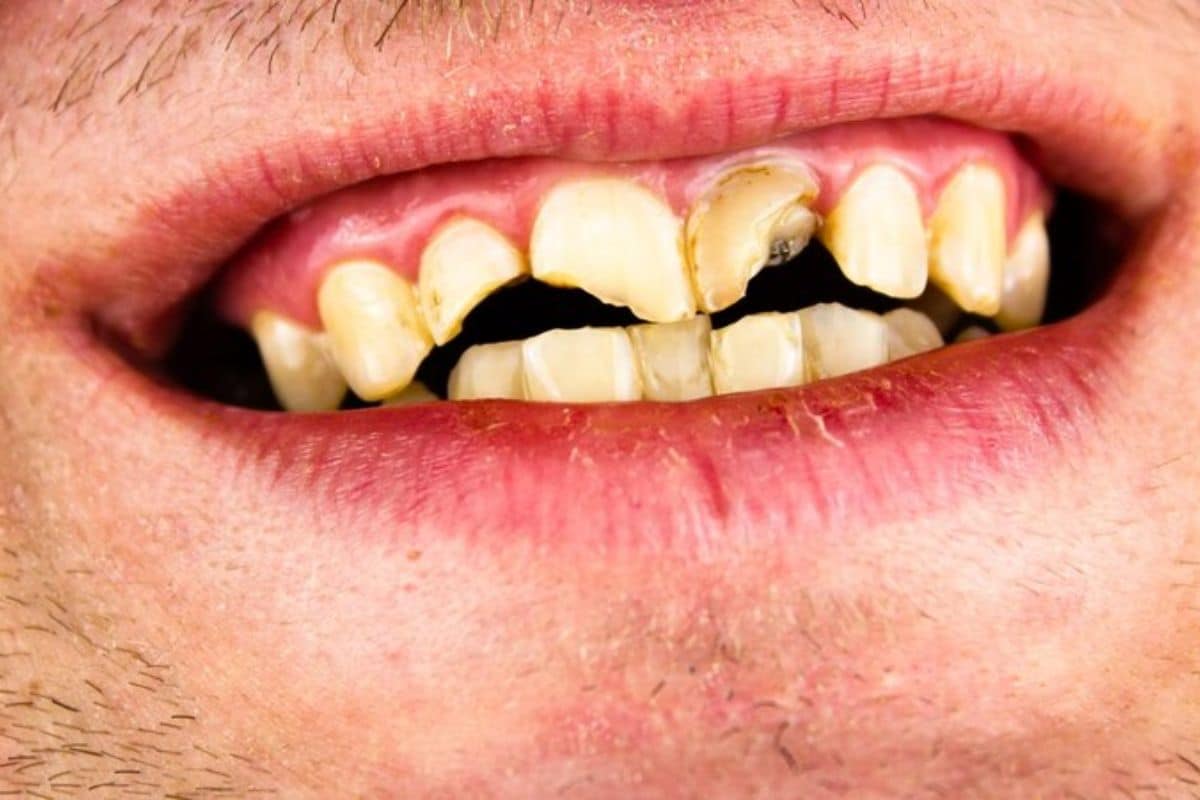
Losing a tooth can be a distressing experience, but modern dentistry offers several effective options for replacing missing teeth. Whether you’re missing a single tooth or several, restoring your smile is crucial for both your appearance and oral health. In this blog, we’ll explore the most common methods for tooth replacement, including dental implants, bridges, and dentures, and discuss their benefits and considerations.
1. Dental Implants
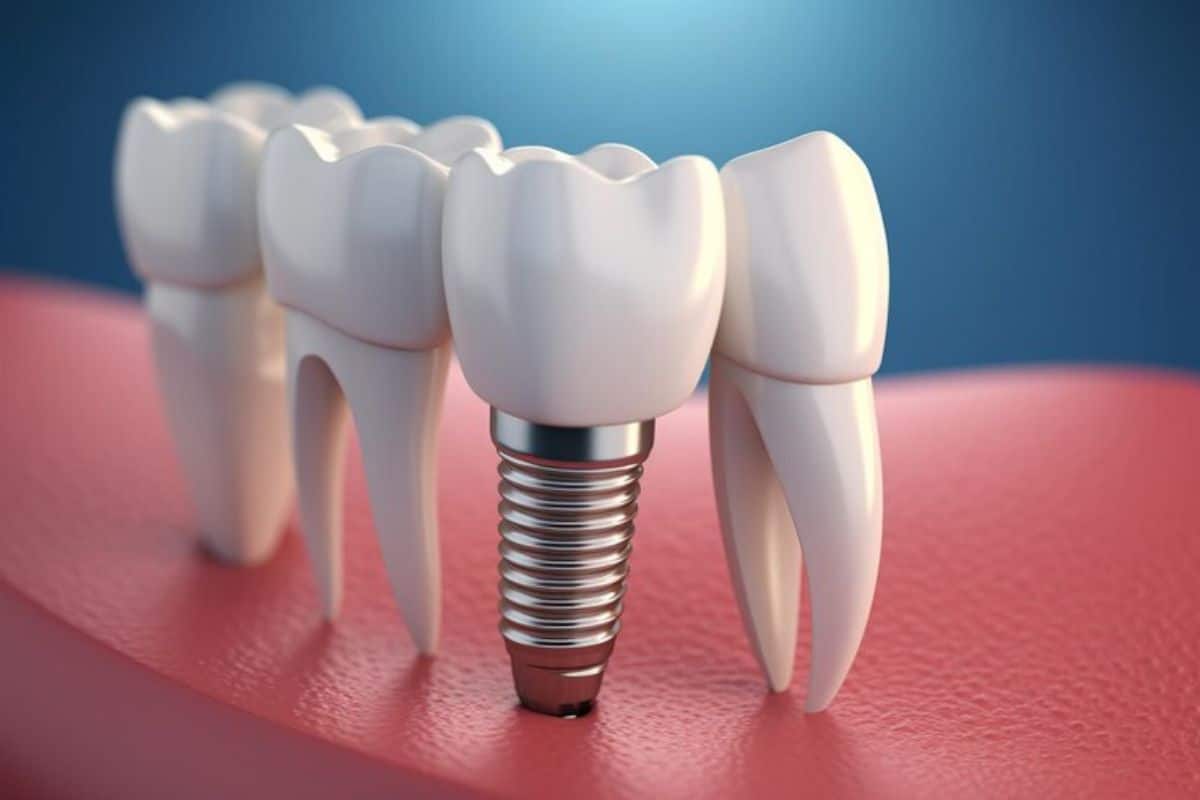
Dental implants are one of the most advanced and effective solutions for replacing missing teeth. They consist of a titanium post that is surgically placed into the jawbone, acting as a replacement root for a prosthetic tooth or crown. Over time, the implant integrates with the bone through a process called osseointegration, providing a stable and durable foundation for the new tooth.
Benefits of Dental Implants
- Durability: With proper care, dental implants can last a lifetime. The titanium material is highly biocompatible and resistant to decay.
- Functionality: Implants function like natural teeth, allowing you to chew and speak comfortably.
- Aesthetics: Implants are designed to look and feel like your natural teeth, enhancing your smile and confidence.
- Bone Health: By stimulating the jawbone, implants help prevent bone loss that can occur when a tooth is missing.
Considerations
- Cost: Dental implants are generally more expensive than other options. However, their longevity and effectiveness often make them a worthwhile investment.
- Procedure: The process involves surgery and a healing period, which can take several months. However, the result is a permanent and reliable solution.
2. Dental Bridges
Dental bridges are prosthetic devices that fill the gap created by one or more missing teeth. They consist of one or more artificial teeth (pontics) anchored to adjacent natural teeth or implants. Bridges are fixed in place and provide a stable and functional replacement for missing teeth.
Benefits of Dental Bridges
- Restoration of Function: Bridges restore the ability to chew and speak normally, improving overall oral function.
- Aesthetic Improvement: Bridges can be customized to match the color and shape of your natural teeth, providing a seamless appearance.
- Support for Facial Structure: By filling the gap, bridges help maintain the shape of your face and prevent the remaining teeth from shifting.
Considerations
- Preparation of Adjacent Teeth: The adjacent teeth (abutments) need to be filed down to support the bridge, which can impact their long-term health.
- Durability: Bridges generally last between 5 to 15 years, depending on oral hygiene and wear.
3. Dentures
Dentures are removable prosthetic devices designed to replace missing teeth and restore the appearance and function of your smile. There are two main types of dentures: full dentures, which replace all the teeth in an arch, and partial dentures, which replace a few missing teeth while preserving the remaining natural teeth.
Benefits of Dentures
- Flexibility: Dentures can be customized to fit your mouth and replace multiple missing teeth.
- Cost-Effectiveness: Dentures are generally more affordable than implants or bridges, making them a budget-friendly option.
- Ease of Use: Modern dentures are designed to be comfortable and functional, allowing you to eat and speak with confidence.
Considerations
- Adjustment Period: It may take some time to get used to wearing dentures, and adjustments may be needed to ensure a proper fit.
- Maintenance: Dentures require regular cleaning and maintenance to prevent oral health issues and ensure their longevity.
Conclusion
Replacing missing teeth is essential for maintaining your oral health, function, and confidence. Whether you choose dental implants, bridges, or dentures, each option has its own set of benefits and considerations. Consulting with a dental professional will help you determine the best solution for your needs and ensure a successful restoration of your smile.
If you’re ready to explore tooth replacement options, contact your local dentist to discuss your choices and start your journey toward a restored smile. With the right approach, you can enjoy the benefits of a complete and healthy smile once again.