6100 W. 41st St. Sioux Falls, SD 57106
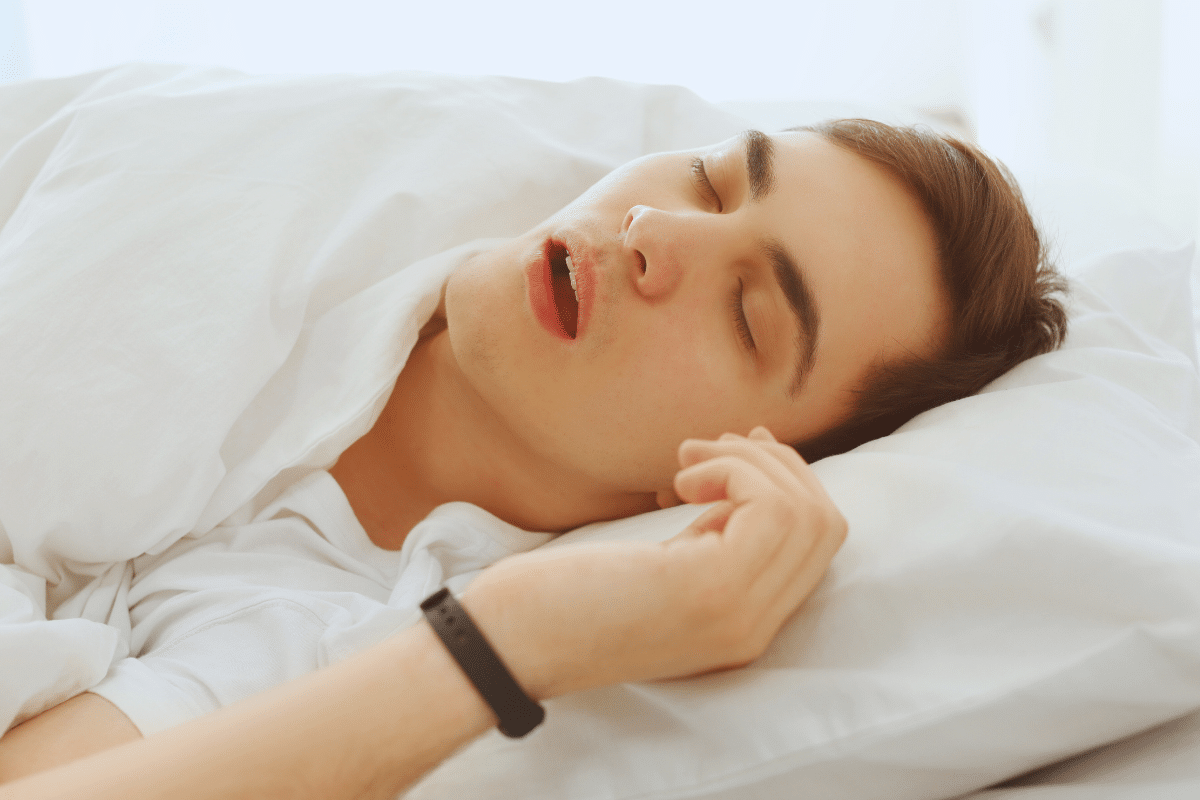
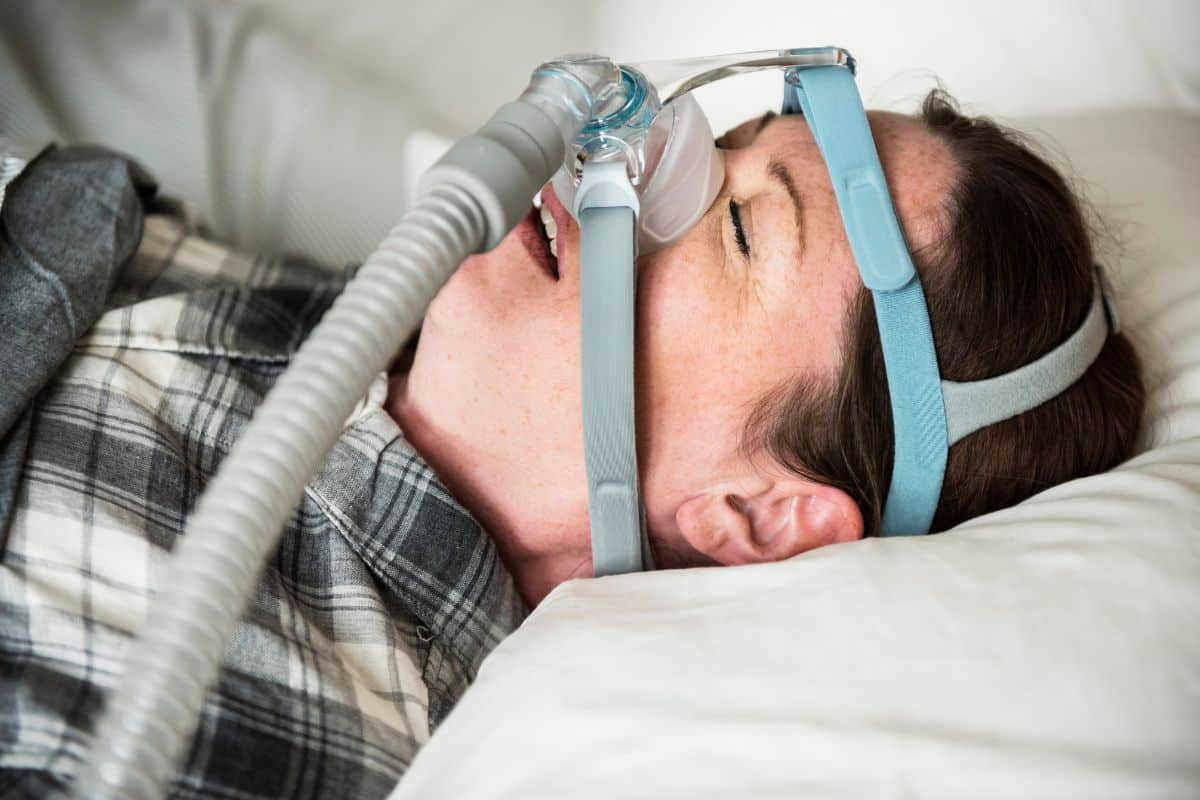
Sleep apnea is a severe condition where breathing pauses repeatedly during sleep, often due to blocked airways. This disorder doesn’t just impact sleep. It raises risks for heart disease, diabetes, and even mood issues like depression. Many don’t realize that dentists can often be the first to spot signs of this sleeping condition.
During routine exams, they can detect subtle signs in your mouth that signal potential breathing problems. This unique connection makes your dentist a key partner in catching and addressing obstructive sleep disorder early—helping you take steps toward better, healthier sleep.
How Signs in Your Mouth Address Apneic Episodes?
A dental examination can reveal several signs of sleep apnea. Dentists are trained to recognize physical symptoms within the mouth that signal disrupted sleep patterns. Here are some tell-tale signs experts look for:
Tooth Grinding and Wear: Frequent grinding (bruxism) is standard in patients suffering from nocturnal airway obstruction. Over time, grinding can wear down the enamel, leading to sensitivity and even tooth fractures.
Dry Mouth or Mouth Breathing: People with apnea syndrome often breathe through their mouths, leading to dryness. Mouth breathing can dry the gums and increase the risk of cavities and infections, which dentists notice quickly.
Enlarged Tongue and Tonsils: Dentists also observe the size of the tongue and tonsils. An enlarged tongue or tonsils can block the airway during sleep, contributing to sleep apnea and snoring.
Bite Alignment Issues: Misalignment can impact breathing while you are resting. A narrow upper jaw or a misaligned bite may make it challenging to keep the airway open, contributing to sleep apnea symptoms.
Dentists are trained to observe these signs and may suggest a treatment or a few remedies if they suspect a patient has breathing disruption. If untreated, this problem can significantly impact oral and overall health.
Tips from Dentists to Manage Sleeping Disorders and Snoring
Experts play a valuable role in helping patients manage sleep-breathing disorders. Here are some tips they often recommend:
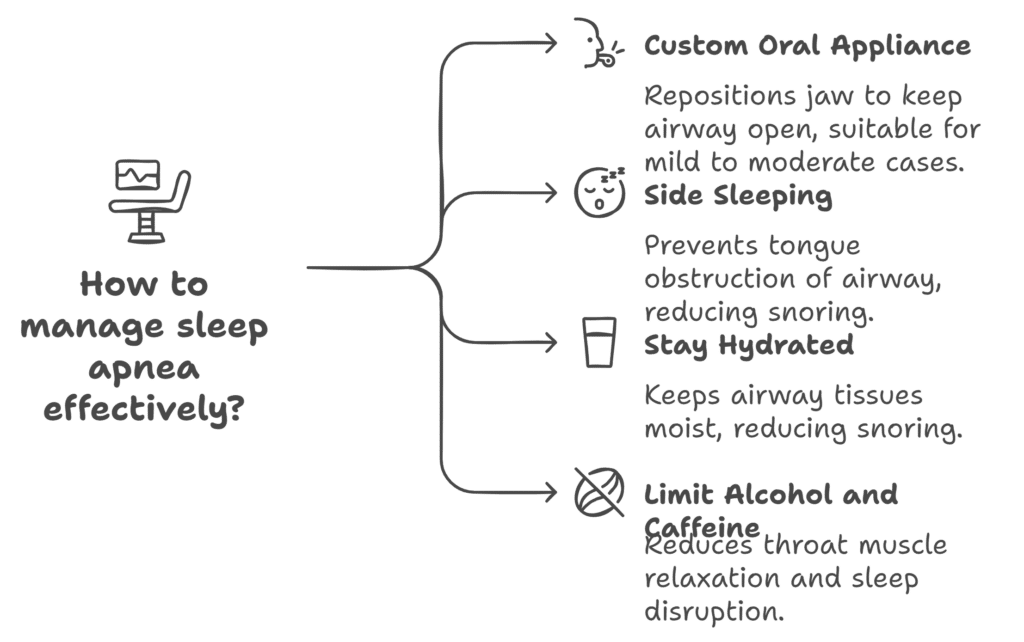
- Use a Custom Oral Appliance: Pros can design a custom mouthpiece that repositions the jaw, keeping the airway open while you sleep. This is particularly useful for mild to moderate sleep disorder cases.
- Practice Side Sleeping: Sleeping on your side prevents the tongue from falling back and obstructing the airway, reducing snoring.
- Stay Hydrated: Dehydration can dry out the airway tissues, worsening snoring. Aim to drink plenty of water throughout the day.
- Limit Alcohol and Caffeine: Both these items can relax throat muscles and disrupt sleep patterns, increasing the chances of snoring and apnea episodes.
- Lose Excess Weight: Extra weight can add pressure to the airway, so maintaining a healthy weight is crucial for easing sleep-related breathing disorders.
Dentists recommend these lifestyle changes as natural ways to help manage apneic episodes effectively. For long-lasting solutions, consider consulting with an expert for personalized guidance.
NightLase™: An Innovative Treatment for Sleep Apnea
NightLase™ is a breakthrough procedure for sleep apnea and snoring that has gained popularity across the USA. This non-invasive laser procedure tightens and tones the tissue around the airway, helping it stay open when you are sleeping. It has several benefits that make it an attractive option for those seeking relief-
- Quick and Painless: This process typically lasts 15-30 minutes and doesn’t require anesthesia, making it an accessible, comfortable option.
- Effective Results: Many patients report a noticeable improvement in their breathing and a significant reduction in snoring. This sleep apnea treatment promotes airflow, helping to ease sleeping disorder symptoms without invasive measures.
- Lasting Effects: The result can last up to a year, with many patients needing only one session per year to maintain benefits. It offers a durable solution for those who have issues with sound sleep.
NightLase™ offers a promising alternative for patients with obstructive sleep disorder, providing relief without surgery or medication.
Dental professionals play a vital role in identifying signs of sleep apnea that often go unnoticed. From signs of tooth grinding to dry mouth and bite misalignment, the mouth holds critical clues about your health. When dentists spot these early indicators, they can recommend further tests to diagnose and manage sleep apnea, leading to better overall health and improved quality of life.
If you experience symptoms like snoring, morning headaches, or fatigue, don’t wait for the condition to worsen. Consult with Designer Dentistry & Smiles for expert care. Our dentist in Sioux Falls, SD, is skilled at recognizing the subtle signs of sleep apnea and offering personalized treatment options. With early intervention, you can avoid complications like heart disease and high blood pressure. Schedule a visit today and start your journey toward healthier, more restful sleep! Let us help you breathe easier and wake up feeling refreshed.