6100 W. 41st St. Sioux Falls, SD 57106
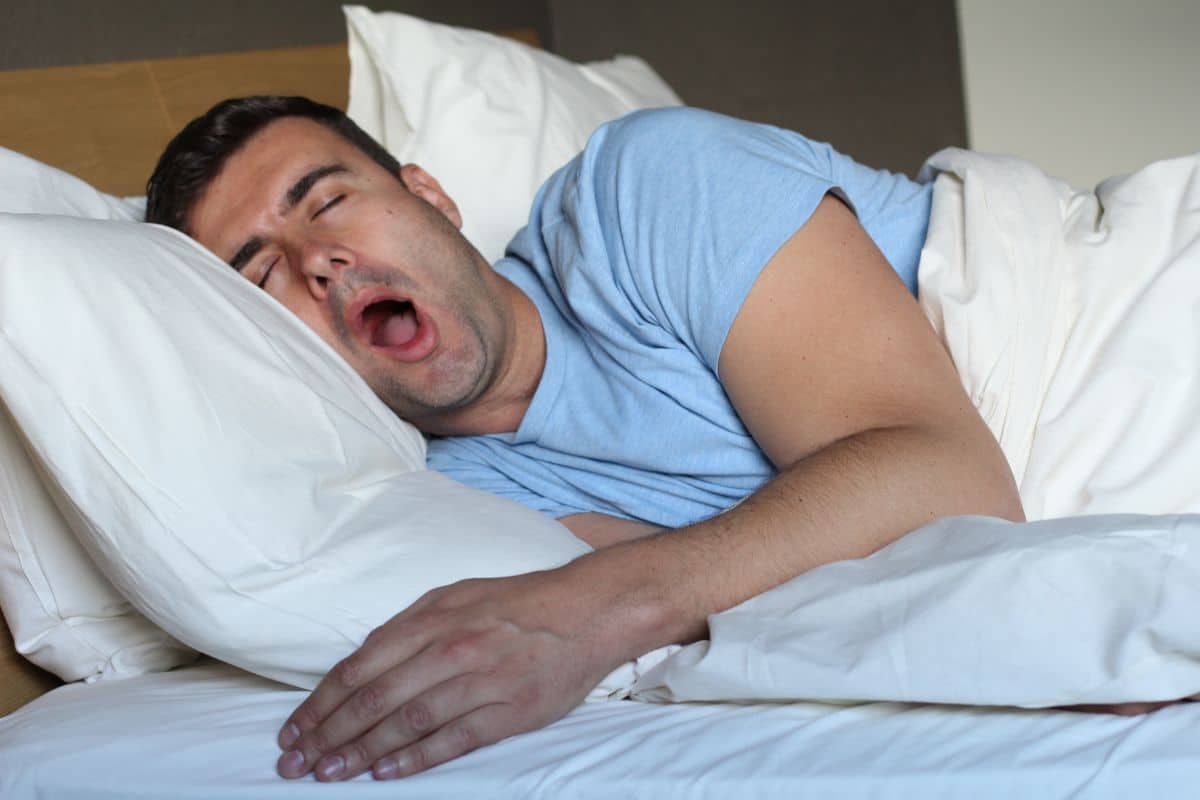
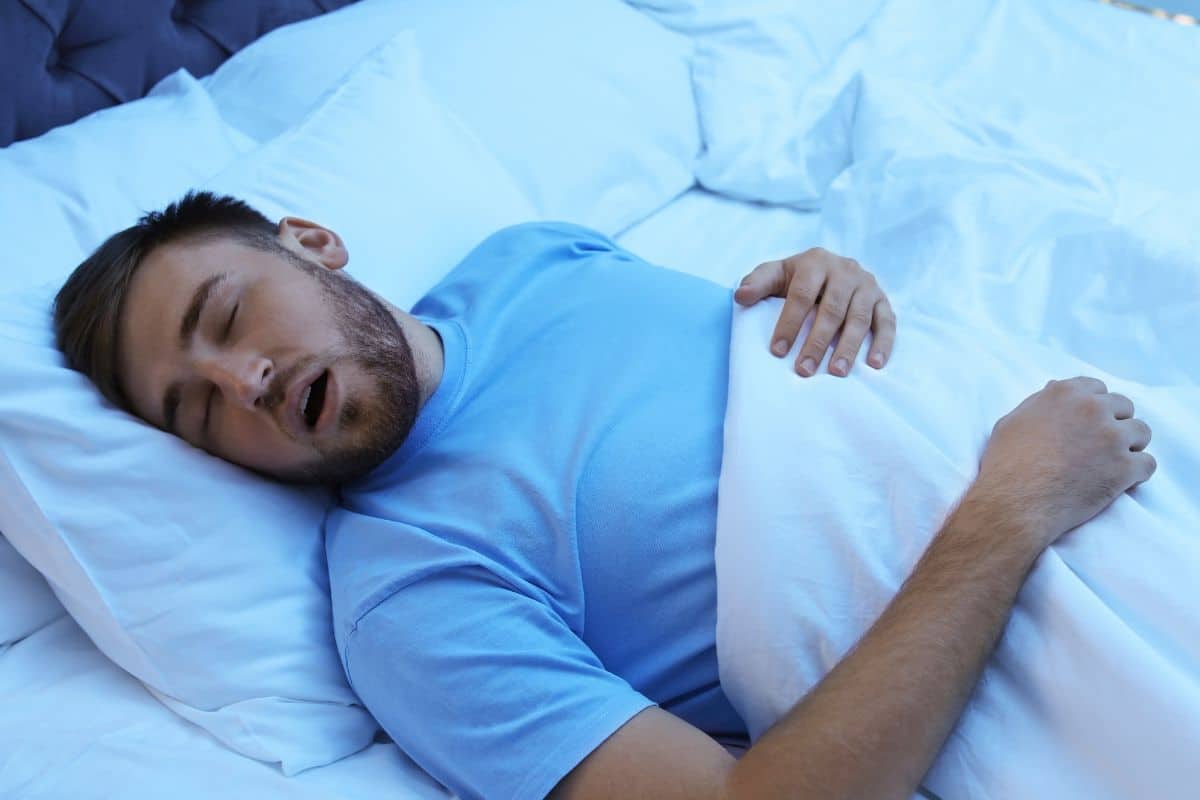
If you wonder whether snoring means you have sleep apnea, you’re not alone. Many people snore occasionally, while others experience loud, frequent snoring that affects their sleep and overall health. Understanding the difference is important because early treatment can improve your quality of life. At Designer Dentistry & Smiles Sioux Falls, patients receive personalized care from Dr. Nichole Cauwels and Dr. Kendra Zuercher, who help identify oral health conditions that may contribute to sleep-related breathing problems.
Although snoring is common, it does not always point to a serious condition. However, when it occurs alongside other symptoms, it may signal an underlying issue that deserves professional attention. Learning the warning signs can help you decide when to seek an evaluation and explore the right treatment options.
What Is Sleep Apnea?
Sleep apnea is a condition that causes breathing to stop and start repeatedly during sleep. These pauses can happen many times throughout the night, reducing oxygen levels and interrupting deep, restful sleep.
The most common type is obstructive sleep apnea, which happens when the muscles in the back of the throat relax too much. As a result, the airway narrows or becomes blocked, making it difficult for air to pass through.
Common symptoms include:
- Loud snoring
- Gasping or choking during sleep
- Morning headaches
- Dry mouth after waking
- Excessive daytime tiredness
- Difficulty concentrating
- Mood changes
- Poor-quality sleep
While not everyone who snores has this condition, paying attention to these symptoms can help you recognize when further evaluation is necessary.
Is Snoring Always a Sign of a Problem?
The simple answer is no.
Many people snore because of temporary factors such as:
- Sleeping on their back
- Seasonal allergies
- Nasal congestion
- Alcohol before bedtime
- Being overly tired
In these situations, snoring may improve once the cause disappears.
However, persistent, loud snoring combined with breathing interruptions deserves closer attention.
If you live near Sioux Falls and wonder whether snoring means you have sleep apnea, the team at Designer Dentistry & Smiles Sioux Falls can evaluate your symptoms and recommend the right sleep apnea treatment if additional testing is needed.
How Can You Tell the Difference?
Snoring vs Sleep Apnea
Although the two are related, they are not the same.
Simple snoring usually:
- Occurs without breathing pauses
- Does not cause excessive daytime fatigue
- May improve with position changes
- Usually does not interrupt oxygen flow
On the other hand, obstructive sleep apnea often includes:
- Loud and frequent snoring
- Noticeable pauses in breathing
- Choking or gasping
- Restless sleep
- Extreme daytime sleepiness
- Morning headaches
The biggest difference is that breathing repeatedly stops during the night.
Warning Signs You Should Not Ignore
Several symptoms suggest that your snoring deserves professional attention.
Breathing Pauses
A partner may notice that you stop breathing for several seconds before gasping for air.
Constant Fatigue
Even after sleeping for seven or eight hours, you may still feel exhausted.
Difficulty Concentrating
Interrupted sleep affects memory, focus, and productivity.
Morning Headaches
Lower oxygen levels during sleep can contribute to headaches after waking.
High Blood Pressure
Untreated breathing disorders may increase the risk of cardiovascular problems over time.
Dry Mouth
Breathing through your mouth while sleeping often leaves you with dryness and discomfort in the morning.
Who Has a Higher Risk?
Certain factors increase the likelihood of developing obstructive sleep apnea.
These include:
- Excess body weight
- Family history
- Smoking
- Aging
- Large neck circumference
- Chronic nasal congestion
- Enlarged tonsils
- Sleeping on your back
Having one or more risk factors does not automatically mean you have the condition, but it does increase the importance of getting evaluated if symptoms appear.
How Dentists Help Identify Sleep-Related Breathing Problems
Many people are surprised to learn that dentists often recognize early warning signs during routine dental exams.
Your dentist may notice:
- Signs of teeth grinding
- Jaw alignment concerns
- A narrow airway
- Tongue positioning issues
- Wear patterns caused by nighttime clenching
These findings can help determine whether additional medical testing is appropriate.
Dentists also work closely with physicians to support patients who qualify for oral appliance therapy.
How Is the Condition Diagnosed?
Diagnosis usually begins with a discussion about your symptoms and medical history.
Your healthcare provider may recommend a sleep study, which measures:
- Breathing patterns
- Oxygen levels
- Heart rate
- Body movement
- Sleep stages
Some studies take place in a sleep center, while others can be completed at home using approved monitoring equipment.
The results help determine whether treatment is necessary.
Treatment Options
Treatment depends on the severity of your condition and your individual needs.
Possible options include:
Lifestyle Changes
Healthy habits may improve mild symptoms.
Examples include:
- Weight management
- Sleeping on your side
- Limiting alcohol before bedtime
- Maintaining a regular sleep schedule
Oral Appliance Therapy
Many patients benefit from a custom-made oral appliance.
These devices gently reposition the lower jaw to help keep the airway open during sleep. They are comfortable, portable, and easier for many people to use consistently than other treatment methods.
CPAP Therapy
Continuous Positive Airway Pressure, commonly called CPAP, delivers steady airflow through a mask to prevent airway collapse.
Many people with moderate or severe cases achieve excellent results with CPAP.
Surgery
In certain situations, surgery may be recommended if structural problems significantly block the airway.
Why Early Treatment Matters
Ignoring symptoms can affect much more than your sleep.
Long-term complications may include:
- Increased heart disease risk
- Stroke risk
- Diabetes complications
- Poor concentration
- Depression
- Reduced work performance
- Greater accident risk because of fatigue
Fortunately, early diagnosis often leads to better long-term health outcomes.
Tips for Better Sleep
While professional care remains important, healthy habits also support better sleep quality.
Try these simple steps:
- Keep a consistent bedtime.
- Sleep on your side.
- Maintain a healthy weight.
- Avoid heavy meals before bed.
- Reduce alcohol consumption at night.
- Stay physically active.
- Follow your treatment plan if prescribed.
Small daily changes often make a noticeable difference.
Loud snoring should never be ignored when it occurs with breathing pauses, excessive daytime fatigue, morning headaches, or restless sleep. While occasional snoring is common, recognizing the warning signs early can help protect both your oral health and your overall well-being. Dr. Nichole Cauwels and Dr. Kendra Zuercher understand the connection between oral health and sleep-related breathing disorders and can help determine whether additional evaluation or treatment may benefit you.
If you are concerned about your symptoms, schedule an appointment with Designer Dentistry & Smiles Sioux Falls for personalized sleep apnea treatment, and visit our dental office in Sioux Falls to learn about solutions that can help you enjoy healthier, more restful sleep.