6100 W. 41st St. Sioux Falls, SD 57106
Considering dental implants to replace missing teeth? You’re likely interested in restoring your smile and regaining optimal chewing function. But what about weight loss? Can dental implant surgery lead to weight shed?
The answer is a bit nuanced. The dental implant surgery itself doesn’t directly cause weight loss. However, there can be some indirect effects during the recovery period that might influence your weight. Let’s delve deeper into this topic.
Why Dental Implants Don’t Directly Cause Weight Loss
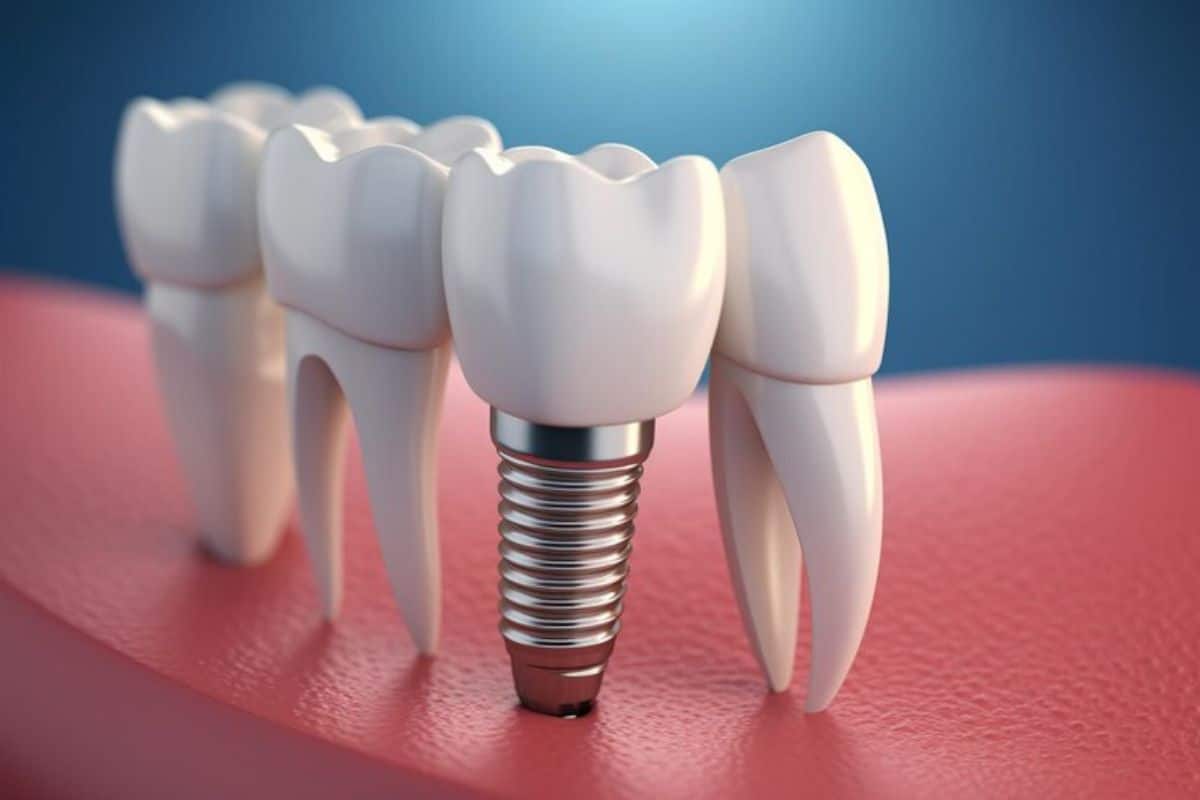
Dental implants are small, screw-like posts made of biocompatible titanium. They’re surgically placed into your jawbone to act as artificial tooth roots. Once integrated with the bone, these implants support crowns (the visible tooth part) that look and function just like natural teeth.
The primary purpose of dental implants is to replace missing teeth and restore chewing ability. They don’t alter your metabolism or hormonal balance, which are the key factors regulating weight. So, with properly functioning implants, you should be able to eat a regular diet without impacting weight.
How Dental Implant Recovery Might Affect Weight
While dental implant surgery doesn’t directly cause weight loss, the recovery period can influence your eating habits in ways that might lead to temporary weight changes. Here’s how:
Discomfort and Swelling: The surgical site will likely be sore and swollen for a few days after the procedure. Chewing hard or crunchy foods can be uncomfortable. This might lead you to choose softer foods like mashed potatoes, yogurt, or soups. While these are good options for healing, they may be lower in calories than your usual diet.
Dietary Restrictions: Your dentist might recommend avoiding certain foods during the initial healing phase. This could include spicy or acidic foods that could irritate the surgical site. Additionally, very chewy or sticky foods might put undue stress on the implants before they fully integrate with the bone. These restrictions might lead to a temporary reduction in calorie intake.
Appetite Changes: Discomfort and swelling can sometimes lead to a decreased appetite. You might simply not feel like eating as much as usual during the first few days after surgery.
Positive Side Effects of Weight Loss After Dental Implants
While unintended, the temporary dietary changes mentioned above can sometimes lead to a slight, short-term weight loss. However, it’s important to remember that this is not a healthy or sustainable way to lose weight.
Here’s why:
Nutrient Deficiencies: Restricting your diet for extended periods can lead to deficiencies in essential vitamins and minerals. This can hinder healing and weaken your immune system.
Muscle Loss: If you’re not consuming enough calories, your body may start to break down muscle tissue for energy. This can affect your overall strength and metabolism.
Yo-Yo Effect: Unintentional weight loss is often followed by weight regain once you return to your regular eating habits. This yo-yo effect can be detrimental to your overall health.
Focus on Healing and Long-Term Health:
The best approach is to focus on proper healing and maintaining a balanced diet post-surgery. This will ensure your body has the necessary nutrients to recover and support the long-term success of your dental implants. Once fully healed, you should be able to resume your regular diet and maintain a healthy weight through a combination of proper nutrition and regular exercise.
Dental implants in Sioux Falls are an investment in your oral health and overall well-being. While weight loss isn’t a guaranteed or recommended outcome, the improved chewing function and aesthetics they provide can significantly enhance your quality of life.