6100 W. 41st St. Sioux Falls, SD 57106
Bonding is a popular cosmetic dental treatment that can effectively repair chipped, cracked, or discolored teeth, providing a natural and seamless look. However, patients often find themselves wondering: Can tooth bonding be removed? Whether you’ve had bonding for a while or are considering it, understanding the reasons behind its removal can help guide your dental decisions.
In this blog, you will get to know why a dentist might suggest removing tooth bonding. Moreover, you can also learn what alternatives might be better suited to your needs.
What is Tooth Bonding?
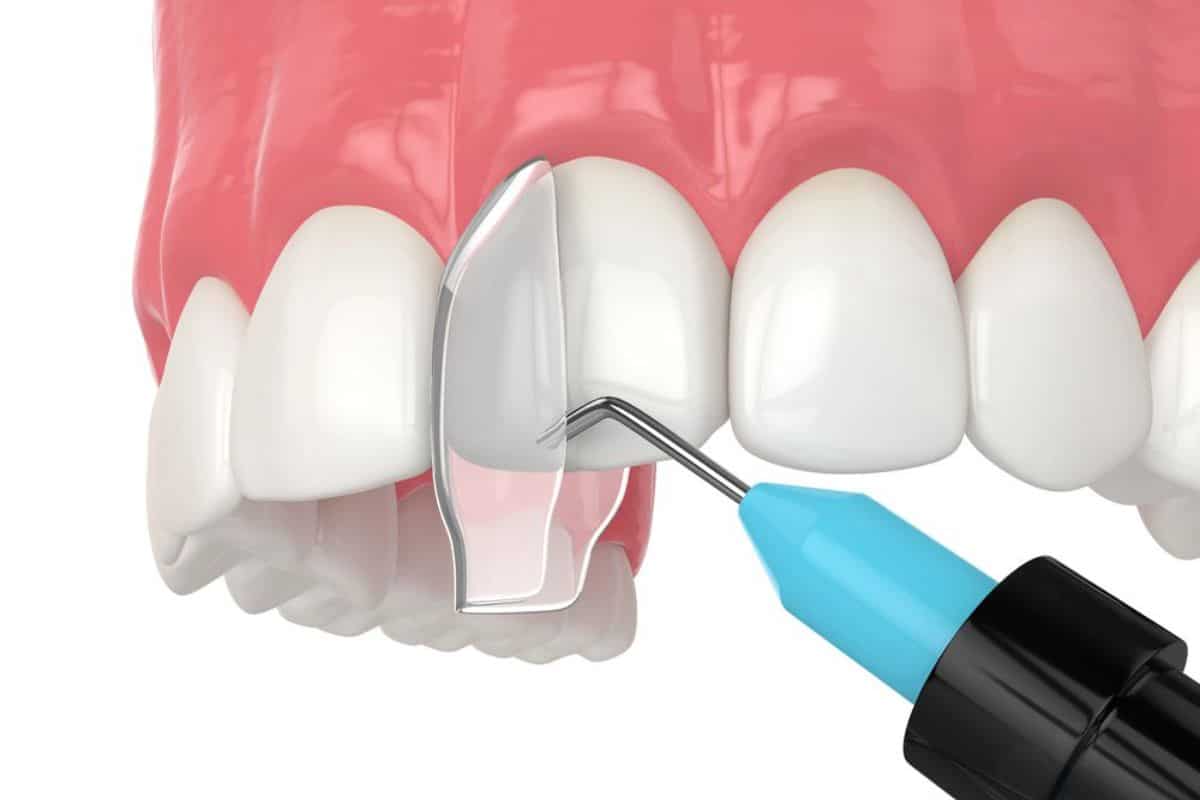
This dental procedure involves applying a tooth-colored resin to teeth to fix minor imperfections. It’s a non-invasive treatment that offers a fast and effective solution to enhance the smile. Dental bonding is especially popular for repairing chipped teeth, closing gaps, and covering stains. The procedure is generally quick and requires little to no anesthesia, making it a go-to option for many patients.
However, over time, you may wonder, ‘Can tooth bonding be removed’ without damaging the tooth? The answer is yes, and it’s a relatively simple process when done correctly by a dentist.
Why Would Dentists Recommend Removing Tooth Bonding?
There are several reasons why a dental practitioner might recommend removing your tooth bonding, depending on the condition of the bonding, your oral health, or your personal treatment goals.
Wear and Tear
Over time, the bonding material can show signs of wear and tear. The resin may become discolored, chipped, or dulled, affecting its appearance and functionality. So, can tooth bonding be removed to restore your smile’s appearance? Yes, removing bonding is a way to refresh the look of your teeth with either new bonding or a more permanent option like veneers.
Desire for a More Durable Solution
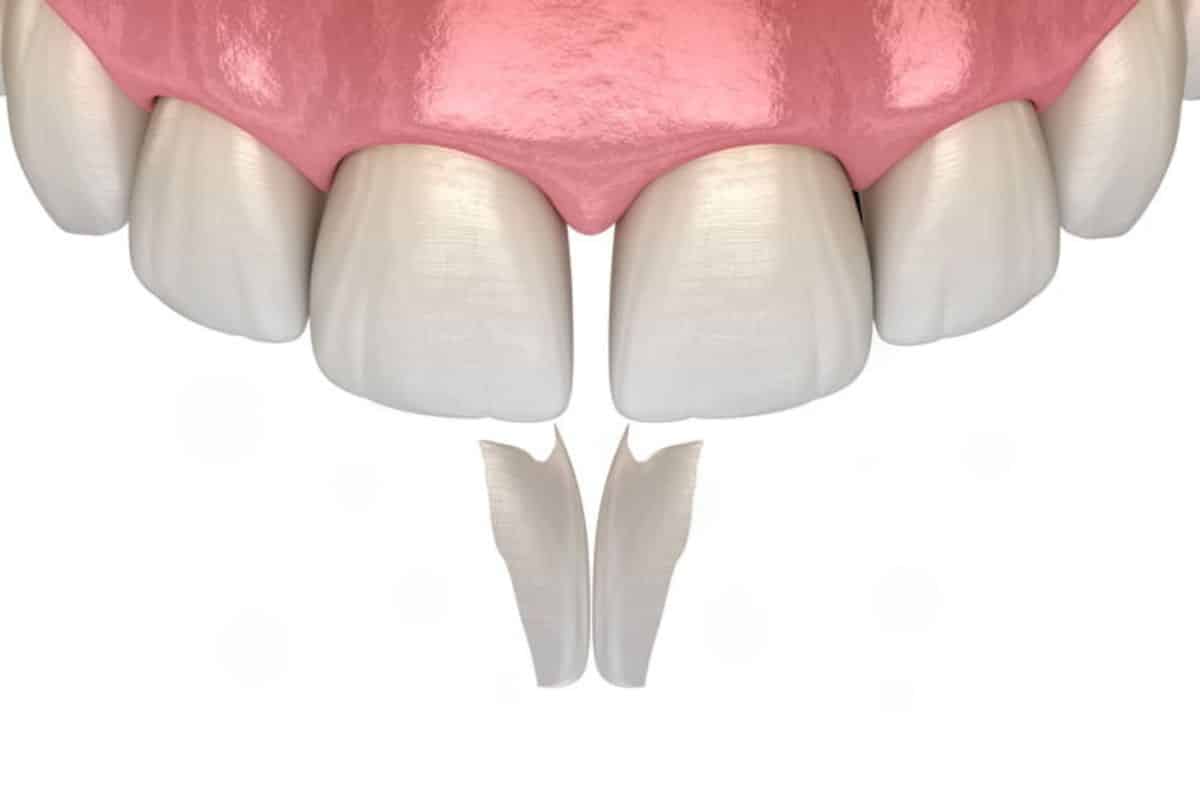
Tooth bonding is a great temporary solution, but it may not be as durable as other cosmetic options, such as veneers or crowns. If a patient wants a longer-lasting solution, a dental professional might recommend removing the bonding and opting for a more permanent restoration.
Dental Health Concerns
In some cases, bonding material may collect stains, plaque, or bacteria, which could lead to oral health problems. If bonding is causing discomfort, sensitivity, or decay beneath the material, your dental care provider may recommend removal to protect your oral health. If you’re asking yourself, Can tooth bonding be removed without causing issues to your natural tooth, the answer is yes, as long as it is done carefully by a proficient dentist.
Changes in Appearance Preferences
As cosmetic dental treatments evolve, some patients may decide to upgrade to a more aesthetic solution like porcelain veneers or crowns. If your cosmetic preferences change over time, a dentist may recommend removing the bonding to make way for a treatment that aligns better with your new goals.
Reevaluation of Treatment Effectiveness
If your dental needs change, whether due to shifting teeth, more severe discoloration, or other concerns, bonding may no longer be the most effective solution. In this case, your dental professional may suggest removing the bonding to address your updated cosmetic or functional goals. Can tooth bonding be removed to allow for a new dental restoration? Yes, removal is an option when more comprehensive treatment is necessary.
How Is Tooth Bonding Removed?
The process of removing tooth bonding is fairly simple and involves using dental tools to carefully scrape away the material from the surface of the tooth. Since bonding doesn’t require drilling, the procedure is minimally invasive. Can tooth bonding be removed without harming the natural tooth? Yes, when done correctly, the procedure doesn’t damage the underlying enamel.
In most cases, the dental practitioner will smooth the tooth afterward to restore its natural shape and appearance. If you’re concerned about the process, rest assured that removing tooth bonding is generally painless and quick, often requiring no anesthesia.
What Happens After Tooth Bonding Is Removed?
Once the bonding has been removed, there are several potential options for moving forward:
- Replacement with Veneers or Crowns: If you’re looking for a more durable cosmetic treatment, your dentist may suggest replacing the bonding with porcelain veneers or crowns. These treatments are longer-lasting and more resistant to staining and wear.
- Restore Natural Tooth: In some cases, after removal, the dental care provider may leave the natural tooth exposed. This might be a suitable option if the tooth is still in good health and doesn’t require additional treatment.
Is It Time to Upgrade Your Smile? A Professional Consultation Can Help
If your bonding has become discolored, chipped, or is no longer functioning as it should, it might be time to consider removal. Similarly, if you want a more durable and aesthetic solution, replacing the bonding with veneers or crowns could be the right choice. Can tooth bonding be removed when it’s no longer serving your needs? Yes, a reliable dentist can help you explore the best options for your smile.
If you’re considering removing your tooth bonding or are ready for an upgrade, the experienced team at Designer Dentistry & Smiles is here to help. Schedule your consultation and learn how we can help you achieve the smile you’ve always wanted.