6100 W. 41st St. Sioux Falls, SD 57106
Sleep apnea treatment comparisons can help you understand the differences between a CPAP machine and a custom oral appliance. Both options aim to keep your airway open during sleep, but they work in different ways. At Designer Dentistry & Smiles in Sioux Falls, Dr. Kendra Zuercher and Dr. Nichole Cauwels help patients explore dental approaches to sleep-related breathing concerns.
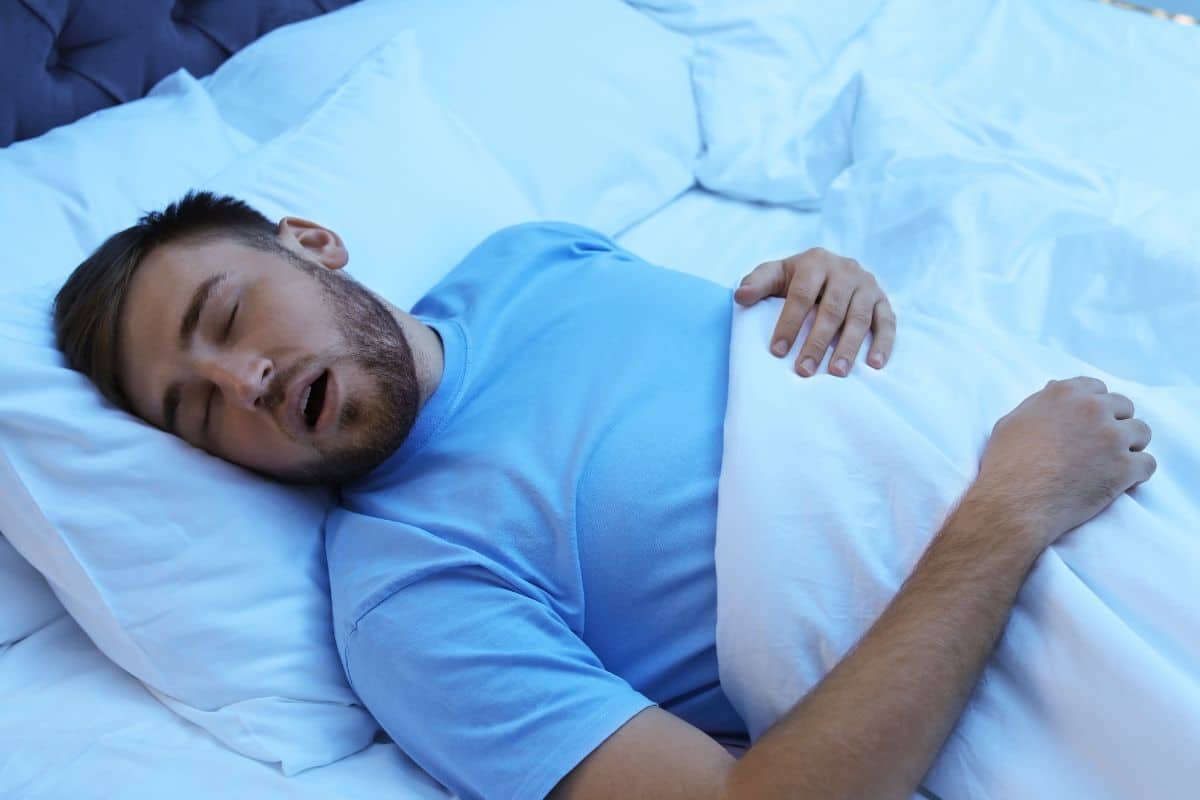
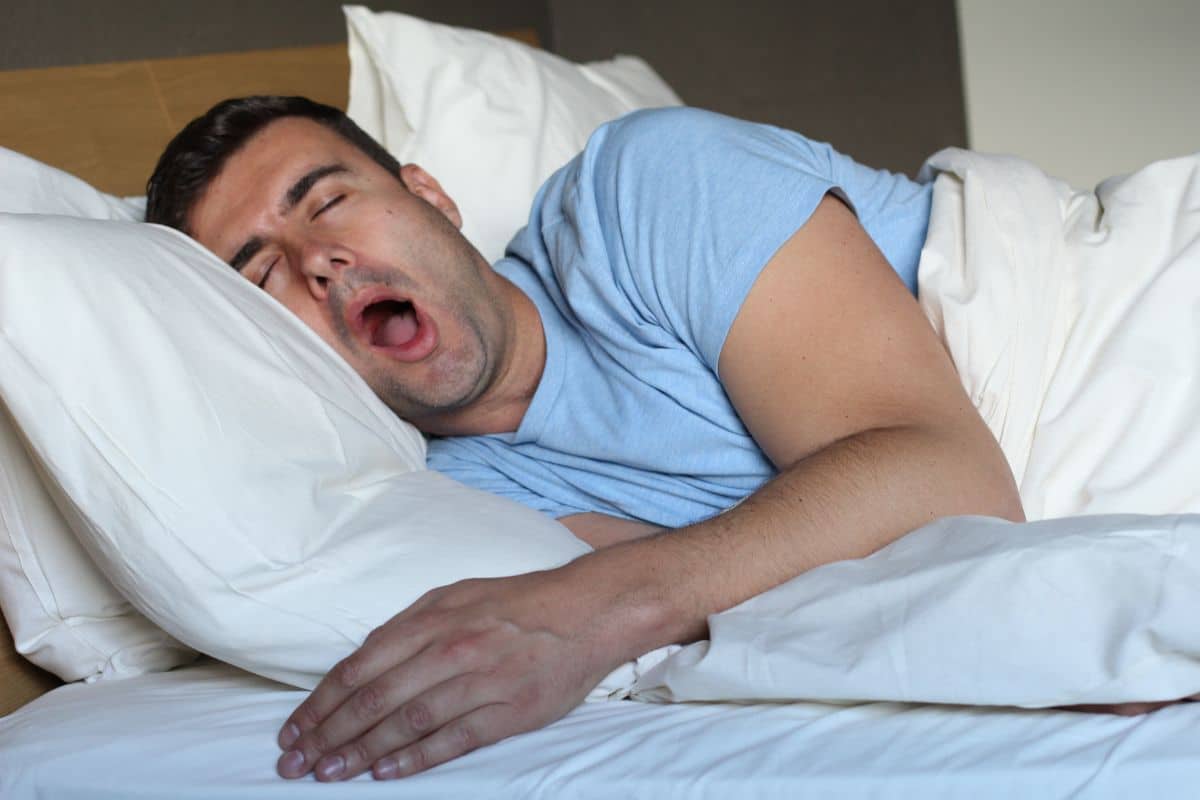
Obstructive sleep apnea occurs when the upper airway repeatedly narrows or closes during sleep. These interruptions can reduce oxygen levels and disturb restful sleep. As a result, you may experience loud snoring, morning headaches, poor concentration, or daytime fatigue.
Choosing a treatment requires more than comparing comfort or convenience. The severity of your condition, your medical history, and your ability to use a device consistently all matter. Therefore, understanding each option is an important first step.
Sleep Apnea Treatment Comparisons: How CPAP and Oral Appliances Work
CPAP and oral appliances approach the same problem differently. One delivers pressurized air, while the other helps maintain airway space by changing the position of your jaw or tongue.
How CPAP Therapy Works
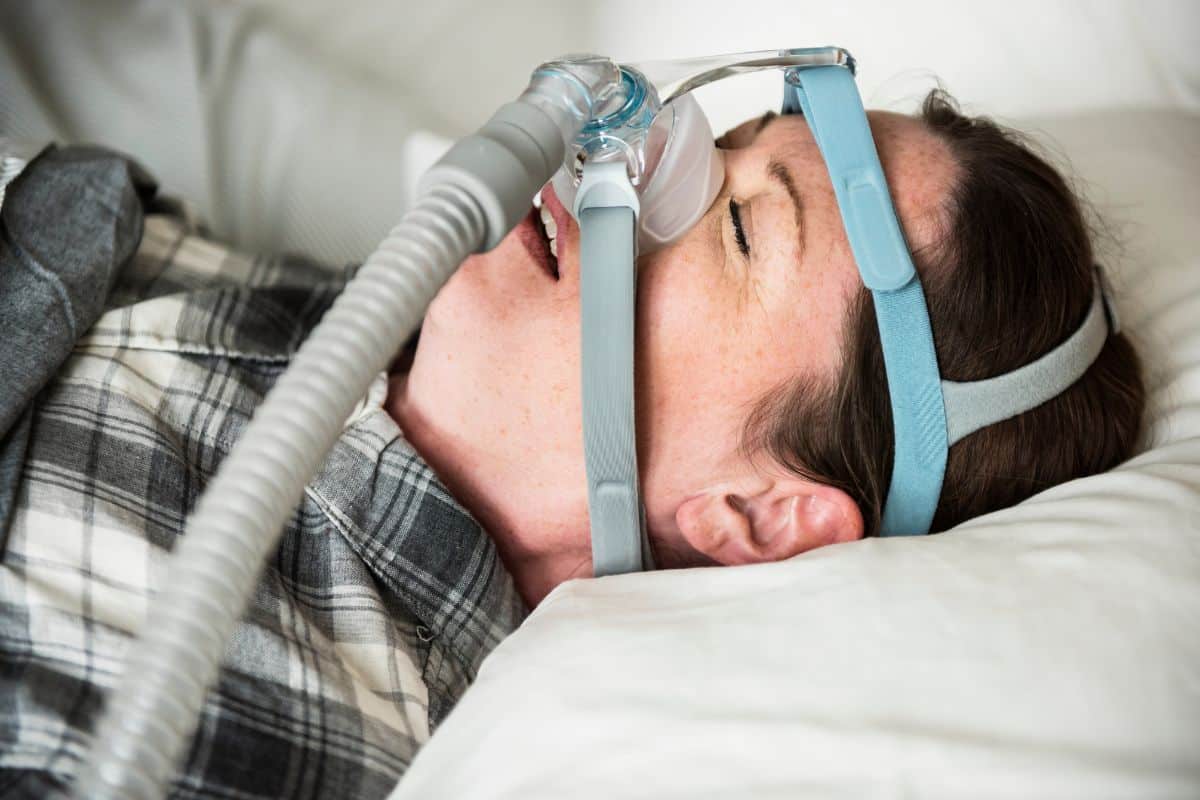
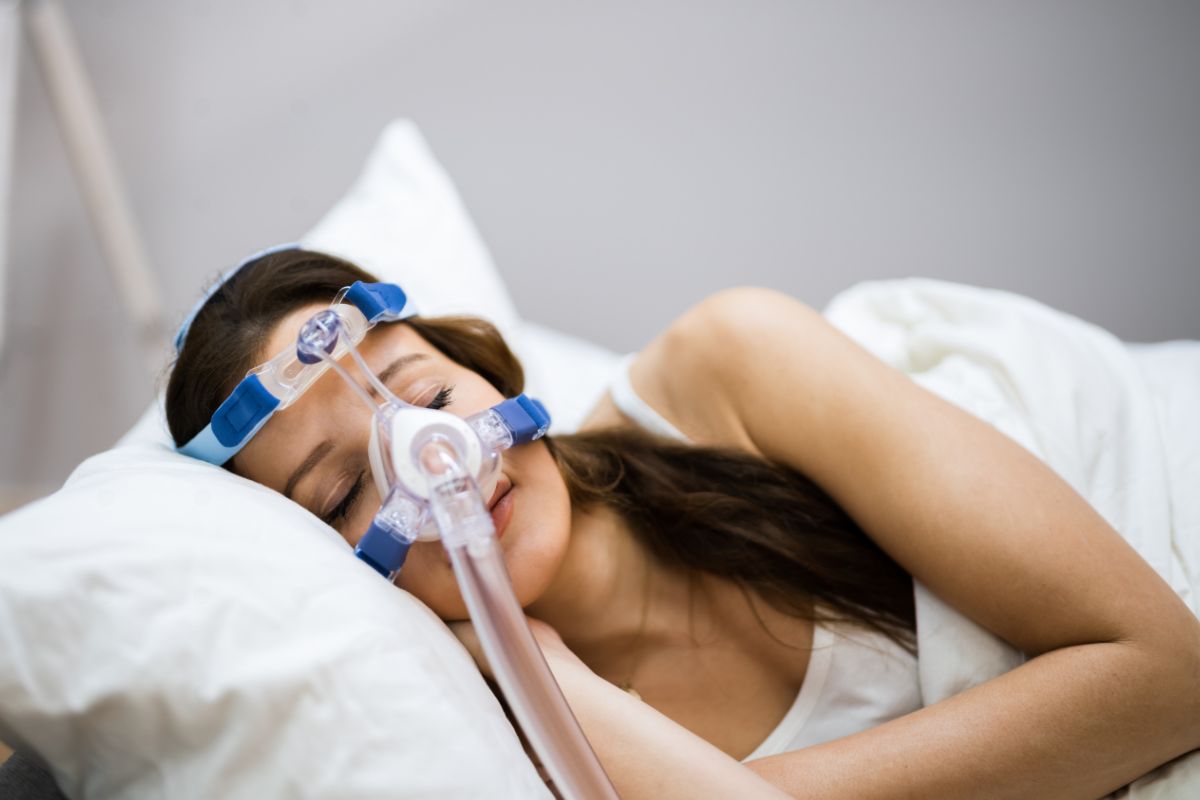
CPAP stands for continuous positive airway pressure. The machine sends a steady stream of pressurized air through a mask worn over your nose, mouth, or both.
This pressure helps prevent the airway from collapsing during sleep. Consequently, CPAP can reduce breathing interruptions and support better sleep when used as prescribed.
Common parts of a CPAP setup include:
- A small machine: Creates the airflow needed to keep your airway open.
- A mask: Delivers air through your nose or mouth.
- Tubing: Connects the mask to the machine.
- Optional humidification: Adds moisture to help reduce dryness.
CPAP is a well-established treatment for obstructive sleep apnea. However, some people struggle with mask fit, noise, dry mouth, or the feeling of wearing equipment overnight.
How an Oral Appliance Works
A custom oral appliance fits over your teeth and is worn during sleep. Many devices gently move the lower jaw forward to help keep the airway open.
Unlike CPAP, an oral appliance does not use a machine to deliver pressurized air. Instead, it changes the position of structures that can contribute to airway blockage.
For some patients, this design feels easier to manage. The device is small, portable, and generally quieter than a CPAP setup.
However, an oral appliance is not suitable for everyone. A dentist and sleep medicine professional should determine whether it fits your diagnosis and treatment needs.
Which Treatment Is More Effective?
Effectiveness depends on the severity of your sleep apnea and how well you respond to treatment. CPAP is often the first treatment recommended for many patients, particularly those with moderate to severe obstructive sleep apnea.
An oral appliance may be appropriate for people with mild to moderate sleep apnea. It can also help some patients who cannot tolerate CPAP or prefer another option after discussing the risks and benefits with their clinician.
In general, CPAP can control breathing interruptions more reliably when a patient uses it correctly. Nevertheless, a treatment that you can use consistently may offer practical advantages over one that you rarely wear.
Your care team may consider several factors:
- Sleep study results: These help establish the diagnosis and severity of your condition.
- Symptoms: Daytime fatigue, snoring, and poor sleep can affect your treatment goals.
- Comfort: A device must fit your needs well enough for regular use.
- Medical history: Other health conditions may influence which treatment is appropriate.
- Follow-up testing: Your provider may need to check whether treatment controls your breathing events.
Comfort, Convenience, and Daily Use
The best device is not simply the smallest or most advanced. Instead, it should control your condition while fitting into your daily routine.
CPAP: Benefits and Challenges
Potential benefits:
- Provides steady airflow to help keep the airway open.
- Often works very well for moderate to severe sleep apnea.
- Offers adjustable settings and different mask styles.
- Can be monitored to assess usage and treatment performance.
Potential challenges:
- Requires a machine, tubing, and a mask.
- May cause nasal congestion, dryness, or mask irritation.
- Needs regular cleaning and maintenance.
- May feel inconvenient during travel.
Fortunately, many CPAP problems can improve with mask adjustments, humidification, or help from your medical team. Therefore, do not stop using prescribed therapy without discussing concerns with your provider.
Oral Appliance: Benefits and Challenges
Potential benefits:
- Small and easy to pack for travel.
- Does not require a machine or tubing.
- Often quieter and less noticeable than CPAP.
- May be easier for some patients to use throughout the night.
Potential challenges:
- May cause jaw soreness or tooth discomfort.
- Can lead to changes in the bite or tooth position over time.
- Requires professional fitting and follow-up.
- May not control more severe sleep apnea as well as CPAP.
An oral appliance also needs regular cleaning and inspection. Meanwhile, your dentist should monitor your teeth, gums, and jaw to identify changes early.
Who May Be a Good Candidate for an Oral Appliance?
A custom oral appliance may suit adults with mild to moderate obstructive sleep apnea, especially when they prefer an alternative to CPAP or have trouble tolerating it.
However, symptoms alone cannot establish the severity of sleep apnea. A sleep study and medical evaluation help determine whether an oral appliance is appropriate.
Your dentist will also assess whether your teeth and jaw can support the device. For example, active gum disease, loose teeth, or certain jaw problems may affect your suitability.
Patients with severe sleep apnea should not assume an oral appliance will provide enough treatment. Their clinician may recommend CPAP or another approach based on the findings.
Designer Dentistry & Smiles offers sleep apnea treatment information for patients exploring dental options for breathing problems during sleep. A dental consultation can help you understand what oral appliance therapy involves and whether an evaluation is appropriate.
Can You Switch From CPAP to an Oral Appliance?
Sometimes, yes. However, you should never stop CPAP or switch devices on your own.
First, discuss your concerns with the clinician who manages your sleep apnea. They can review your diagnosis, current treatment results, and any difficulties you experience.
If an oral appliance appears suitable, your care team may coordinate with a qualified dentist to arrange fitting and adjustment. Follow-up testing can then help determine whether the appliance controls your sleep apnea effectively.
Some patients may need to continue CPAP because an oral appliance does not provide enough control. In other cases, a combination of treatments or a different approach may be considered.
The goal is not simply to replace one device with another. Rather, the goal is to manage your breathing safely and consistently throughout the night.
What Else Can Support Better Sleep?
Although a device may be central to your treatment, healthy habits can also support sleep quality.
Consider these steps alongside your prescribed care:
- Keep a regular sleep schedule.
- Stay physically active as your health allows.
- Discuss weight management with your healthcare provider if relevant.
- Avoid alcohol close to bedtime, especially if it worsens your symptoms.
- Ask your clinician whether sleeping position affects your condition.
- Attend follow-up appointments to review your progress.
These measures do not replace necessary sleep apnea treatment. However, they may form a useful part of a broader care plan.
Find the Right Sleep Apnea Care in Sioux Falls
CPAP and oral appliances can both play important roles in managing obstructive sleep apnea. The right choice depends on your diagnosis, treatment response, comfort, and ability to use the device consistently. Above all, confirm that your chosen approach controls your breathing rather than relying on symptom relief alone.
If you would like to explore dental options for sleep-related breathing concerns, schedule an appointment with Designer Dentistry & Smiles in Sioux Falls.