6100 W. 41st St. Sioux Falls, SD 57106

A healthy smile is not just about aesthetics; it’s a reflection of overall oral health. When a tooth is damaged or weakened, it can affect both the function and appearance of your smile. Fortunately, dental crowns offer a versatile and effective solution for restoring teeth to their full strength and beauty. In this blog, we’ll explore how dental crowns can help you achieve and maintain a healthy smile.
When Are Dental Crowns Necessary?
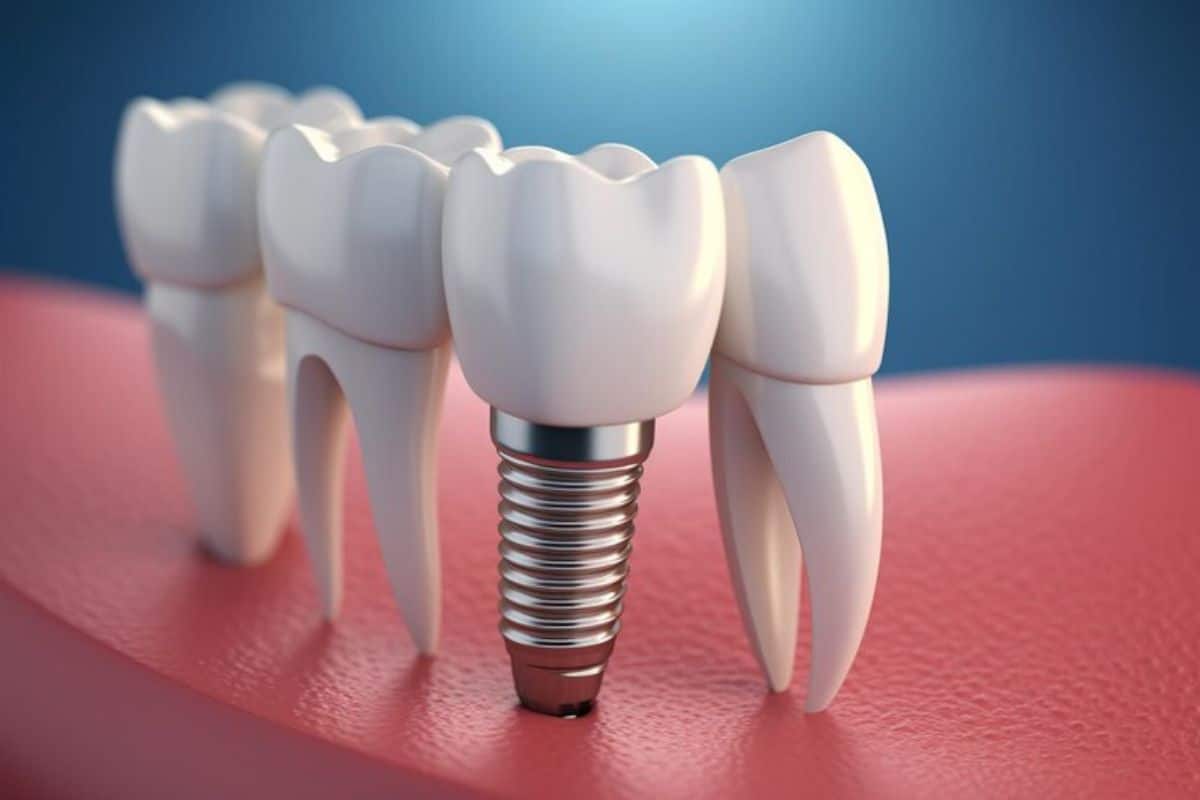
Dental crowns are a versatile restorative option used to address a variety of dental issues. Some common situations where a dentist might recommend a dental crown include:
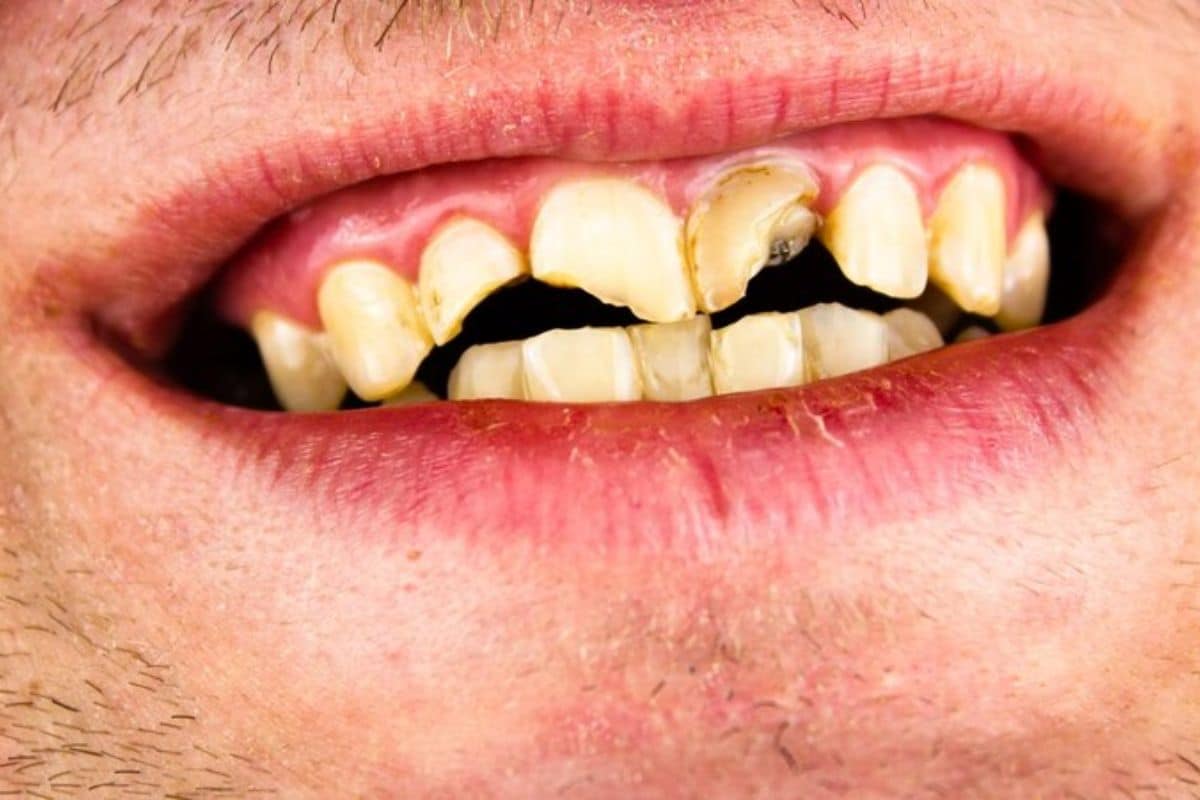
1. Tooth Decay: When a tooth has extensive decay that cannot be treated with a simple filling, a dental crown may be necessary to restore the tooth’s structure and function.
2. Cracked or Fractured Teeth: Teeth that are cracked or fractured, especially those in the molar region, require a dental crown to protect them from further damage and restore their ability to chew properly.
3. After Root Canal Treatment: A tooth that has undergone a root canal treatment is often weakened and more susceptible to fractures. A dental crown helps to reinforce the tooth and prevent any future complications.
4. Worn Down Teeth: Teeth that have been worn down due to grinding (bruxism) or other factors may need a dental crown to restore their original shape and size, improving both function and appearance.
5. Cosmetic Enhancement: Dental crowns are also used for cosmetic purposes, such as covering discolored or misshapen teeth, to create a more uniform and attractive smile.
The Process of Getting a Dental Crown
The process of getting a dental crown typically involves two visits to the dentist. Here’s what you can expect during each step:
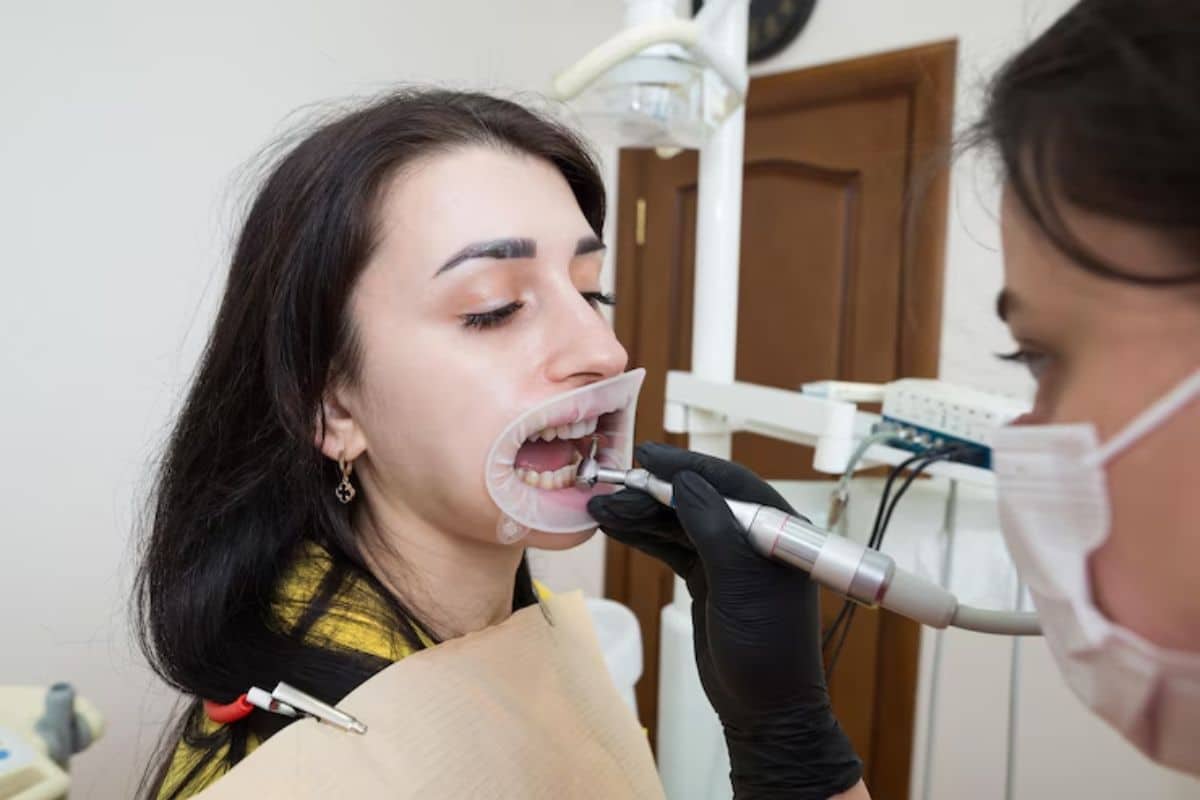
1. Initial Consultation and Tooth Preparation: During the first visit, your dentist will examine the tooth and surrounding area to determine if a dental crown is the best option. If it is, the dentist will numb the area and carefully remove any decayed or damaged portions of the tooth. The tooth will then be shaped to accommodate the crown.
2. Impression and Temporary Crown: After preparing the tooth, the dentist will take an impression of it, which will be used to create your custom dental crown. While your permanent crown is being fabricated in a dental lab, a temporary crown will be placed to protect your tooth.
3. Fitting and Placement: Once your permanent dental crown is ready, you’ll return for a second visit. The dentist will remove the temporary crown and check the fit and color of the new crown. If everything looks and feels right, the crown will be cemented in place.
Benefits of Dental Crowns
Dental crowns offer a wide range of benefits, making them an essential tool in restorative dentistry. Some of the key advantages include:
1. Restoration of Functionality: One of the primary purposes of a dental crown is to restore the full functionality of a damaged tooth. Whether it’s chewing, biting, or speaking, a well-placed crown allows you to use your tooth just as you would a natural one.
2. Protection and Longevity: Dental crowns protect weakened teeth from further damage, reducing the risk of fractures or decay. With proper care, crowns can last many years, providing a long-term solution to dental issues.
3. Aesthetic Improvement: Modern dental crowns are designed to look like natural teeth, helping to enhance the appearance of your smile. They can be color-matched to blend seamlessly with your existing teeth, ensuring a cohesive look.
4. Boost in Confidence: A healthy smile can significantly boost your self-esteem. Knowing that your teeth look and function their best can give you the confidence to smile more often.
Tips to Caring for Your Dental Crown
Proper care is essential to ensure the longevity of your dental crown. Here are some tips to keep your crown and the surrounding teeth in great shape:
1. Maintain Good Oral Hygiene: Brush and floss your teeth regularly, paying special attention to the area around the crown. This will help prevent plaque buildup and gum disease.
2. Avoid Hard or Sticky Foods: While dental crowns are durable, they can still be damaged by hard or sticky foods. Avoid chewing on ice, hard candies, or similar items to prevent chipping or dislodging the crown.
3. Regular Dental Check-ups: Visit your dentist regularly for check-ups and cleanings. Your dentist can monitor the condition of your crown and address any issues before they become more serious.
4. Wear a Nightguard if Needed: If you grind your teeth at night, your dentist may recommend wearing a nightguard to protect your crown and natural teeth from excessive wear.
Dental crowns play a vital role in restorative dentistry, helping to repair and protect damaged teeth while also enhancing the appearance of your smile. Whether you’re dealing with a decayed, cracked, or cosmetically imperfect tooth, a dental crown can provide a durable and aesthetically pleasing solution. If you believe a dental crown may be the right option for you, consult with your dentist to discuss your needs and begin the journey toward a healthier, more confident smile.