6100 W. 41st St. Sioux Falls, SD 57106
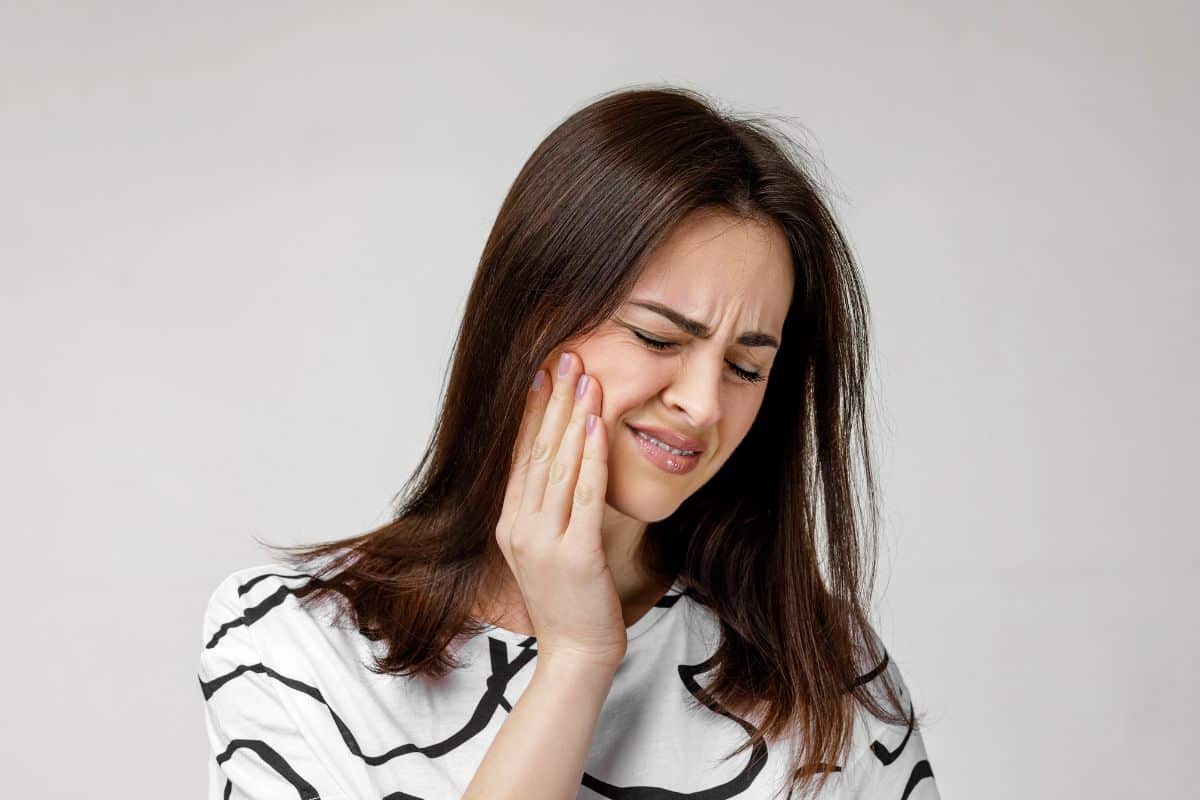
During colder months, Sioux Falls winter dry air tooth sensitivity can become a frustrating concern for people who notice sudden discomfort when breathing cold air, drinking a chilled beverage, or eating certain foods. Winter conditions can change how your mouth feels, especially when cold outdoor air combines with dry indoor heat. At Designer Dentistry & Smiles Sioux Falls, patients can receive personalized care to help identify the reason behind changes in their oral comfort.
Cold weather does not always directly cause a dental problem. However, winter habits and environmental changes can make an existing concern more noticeable. For example, dry air may contribute to a dry mouth, while cold temperatures can trigger discomfort in teeth that already have exposed or sensitive areas.
Understanding why these changes happen can help you protect your smile throughout a Sioux Falls winter.
Why Winter Air Feels Different in Sioux Falls
Winter in Sioux Falls often brings cold outdoor temperatures. At the same time, indoor heating systems can reduce moisture in the air.
This combination can affect different parts of the body, including the lips, throat, nose, and mouth.
You may notice:
- Dry or chapped lips.
- A dry feeling in your mouth.
- Increased thirst.
- Discomfort when breathing cold air.
- Changes in oral comfort.
These symptoms do not always point to a dental problem. However, winter conditions can make an existing issue easier to notice.
Cold Air Can Trigger Sensitive Teeth
Some people experience a quick, sharp sensation when cold air reaches their teeth.
This can happen when areas of the tooth become more exposed. Temperature changes may stimulate the sensitive inner structures of the tooth and create temporary discomfort.
If the sensation occurs repeatedly or becomes more intense, a dental examination can help determine the cause.
How Dry Indoor Air Can Affect Your Mouth
Outdoor winter air is often dry, and indoor heating can make the environment feel even drier.
Your mouth depends on saliva to stay comfortable and maintain a healthy oral environment.
Why Saliva Is Important
Saliva helps:
- Keep oral tissues moist.
- Wash away food particles.
- Support the mouth’s natural balance.
- Make chewing and swallowing more comfortable.
- Protect the soft tissues inside the mouth.
When your mouth feels dry, you may notice increased discomfort. A dry environment may also make you more aware of existing oral sensitivity.
Drinking water throughout the day can help support hydration, particularly when you spend long periods in heated indoor spaces.
Personalized Dental Care for Winter Sensitivity in Sioux Falls
For people dealing with Sioux Falls winter dry air tooth sensitivity, understanding the underlying cause is important. If you are looking for a Sioux Falls dentist, Dr. Nichole Cauwels, Dr. Kendra Zuercher, and Dr. Cassondra Heinz at Designer Dentistry & Smiles Sioux Falls can evaluate your individual concerns and discuss appropriate care based on your oral health needs.
Not everyone experiences winter discomfort for the same reason. Some patients may have exposed tooth roots, worn enamel, gum recession, cavities, cracks, or other concerns that make cold temperatures more noticeable.
A personalized dental examination can help identify what may be contributing to the sensitivity instead of assuming that winter weather alone is responsible. Designer Dentistry & Smiles Sioux Falls provides comprehensive dental care with a personalized, patient-focused approach for individuals and families in the community.
Common Reasons Tooth Sensitivity Becomes More Noticeable in Winter
Winter weather may not create every underlying dental issue. However, cold and dry conditions can make existing concerns more obvious.
Exposed Tooth Roots
The roots of your teeth do not have the same protective enamel covering found on the visible portion of a tooth.
When gum recession exposes part of a tooth root, that area may become more responsive to temperature changes.
Cold air or cold foods may trigger a sudden sensation.
Worn Tooth Enamel
Enamel protects the outer surface of your teeth. Over time, wear can occur for several reasons.
Possible factors include:
- Aggressive brushing.
- Frequent exposure to acidic foods or drinks.
- Tooth grinding.
- Natural wear.
- Certain oral habits.
When the protective outer layer becomes thinner, the inner parts of the tooth may respond more strongly to temperature changes.
Small Cracks or Damage
A cracked or damaged tooth may sometimes cause discomfort when exposed to temperature changes or pressure.
Not every crack is easy to see at home. Some dental concerns require a professional examination to identify.
Sioux Falls Winter Dry Air Tooth Sensitivity vs. a Dental Problem
It can be tempting to blame every winter-related discomfort on the weather. However, the weather may simply make an existing concern more noticeable.
For example, a person may have mild sensitivity throughout the year but only notice it when stepping outside during a cold Sioux Falls morning.
Signs the Weather May Be Triggering an Existing Issue
You may notice discomfort when:
- Breathing through your mouth in cold air.
- Drinking cold water.
- Eating cold foods.
- Moving quickly between warm and cold environments.
However, persistent discomfort may indicate that your teeth need professional attention.
The key difference is not always how cold the weather is. It is whether the symptoms continue, worsen, or occur under multiple conditions.
Dry Mouth Can Add to Winter Discomfort
Dry mouth can make the oral environment feel uncomfortable, especially during winter.
Several factors may contribute to dryness, including:
- Dry indoor air.
- Mouth breathing.
- Not drinking enough water.
- Certain medications.
- Sleep habits.
- Individual health factors.
Mouth Breathing May Become More Common in Winter
Seasonal congestion can make breathing through the nose more difficult for some people. As a result, they may breathe through their mouth more often.
Mouth breathing can increase dryness because air continuously passes through the mouth.
If you wake up with a dry mouth regularly, mention this concern during your dental appointment.
Cold Drinks and Winter Habits
Winter does not stop people from enjoying cold beverages. However, if your teeth already react to cold temperatures, iced drinks may increase discomfort.
At the same time, some winter beverages can also create challenges.
Hot drinks may contain added sugar, while acidic ingredients can affect teeth when consumed frequently.
Temperature Is Not the Only Consideration
It is important to think about what you drink and how often.
Consider:
- How frequently you sip sweetened drinks.
- Whether acidic beverages are part of your daily routine.
- Whether you drink enough plain water.
- Whether a specific temperature consistently causes discomfort.
These details can help you recognize patterns and discuss them with your dentist.
Can Teeth Feel Sensitive Because of Sinus Pressure?
Some people experience facial pressure and discomfort during the colder months.
The roots of the upper back teeth sit near the sinus areas. Changes involving the sinuses can sometimes create pressure that feels similar to a dental problem.
Dental Pain and Sinus Discomfort Can Feel Similar
Sinus-related discomfort may create pressure in several upper teeth at once.
However, pain affecting one specific tooth may have a different cause.
A dental examination can help determine whether a tooth-related concern may be contributing to your symptoms.
If your dentist does not identify a dental cause, another healthcare professional may be appropriate for further evaluation.
Everyday Habits That May Help During Winter
You cannot change the weather, but you can make small adjustments that support your oral comfort.
Stay Hydrated
Drink water regularly throughout the day, especially when indoor heating makes your environment feel dry.
Use Gentle Brushing
Brush with a soft-bristled toothbrush and avoid aggressive pressure.
Brushing harder does not necessarily clean teeth better. Excessive force may contribute to gum irritation or tooth surface wear.
Pay Attention to Temperature Triggers
If cold foods or drinks consistently cause discomfort, make a note of the pattern.
Knowing what triggers the sensation can help your dentist better understand the concern.
Maintain Regular Oral Care
Continue to:
- Brush twice each day with fluoride toothpaste.
- Clean between your teeth daily.
- Attend recommended dental visits.
- Report new or persistent symptoms.
These habits can support your oral health throughout every season.
Tooth Sensitivity vs. Tooth Pain
Sensitivity often involves a short sensation that occurs after a trigger, such as cold air or a chilled drink.
Tooth pain may be different.
Symptoms That Deserve Attention
Schedule a dental evaluation if you notice:
- Pain that lasts after the trigger is gone.
- Discomfort while chewing.
- A cracked or chipped tooth.
- Gum swelling.
- Sensitivity that becomes more intense.
- Pain that occurs without an obvious trigger.
- Changes around an existing filling or crown.
These symptoms can have several possible causes. An examination can help identify the underlying concern.
How a Dentist Evaluates Winter Sensitivity
A dental examination may involve more than simply looking at the tooth that feels uncomfortable.
Your dentist may consider:
- The location of the sensitivity.
- Your gum health.
- Signs of gum recession.
- Tooth wear.
- Existing fillings or crowns.
- Cracks or other damage.
- Your bite.
- X-rays when appropriate.
The goal is to understand why the symptom is occurring.
Treatment Depends on the Cause
There is no single treatment for every case of sensitivity.
Depending on the cause, your dentist may recommend changes to your home care routine, treatment for a specific dental concern, or additional monitoring.
This is why self-diagnosing based on winter weather alone may not provide a complete answer.
Sioux Falls Winter Dry Air Tooth Sensitivity and Gum Health
Your gums play an important role in protecting the structures around your teeth.
When gums recede, more sensitive root surfaces may become exposed.
Therefore, maintaining good gum health can be an important part of managing sensitivity.
Watch for Changes in Your Gums
Pay attention to:
- Bleeding while brushing or flossing.
- Persistent redness.
- Swelling.
- Gum recession.
- Changes in how your teeth look or feel.
These signs do not always have the same cause, but they are worth discussing with your dentist.
Designer Dentistry & Smiles Sioux Falls provides comprehensive dental services and uses modern technology to support personalized diagnosis and treatment planning.
When Winter Sensitivity May Need Professional Care
Occasional mild sensitivity may be manageable with changes to your routine. However, repeated or worsening discomfort should not be ignored.
A professional evaluation may be helpful when:
- Symptoms continue for several days or weeks.
- One tooth consistently causes discomfort.
- The pain becomes stronger.
- Chewing causes pain.
- You notice swelling.
- You have a damaged tooth or restoration.
- Sensitivity affects your daily eating or drinking.
Identifying the cause early may provide more options for addressing the concern.
Prevention Matters Throughout the Year
Winter may make sensitivity more noticeable, but maintaining your oral health is important during every season.
Routine dental visits can help dentists identify concerns before they become more complicated. The practice’s preventive care approach focuses on regular examinations and personalized planning to support long-term oral health.
Supporting Your Smile Through the Sioux Falls Winter
A healthy winter routine does not need to be complicated.
Focus on:
- Drinking enough water.
- Maintaining consistent brushing and flossing.
- Using gentle brushing techniques.
- Paying attention to changes in sensitivity.
- Protecting your lips from dry winter conditions.
- Keeping regular dental appointments.
These simple steps can help you maintain a more comfortable mouth while navigating cold temperatures and dry indoor air.
Final Thoughts on Winter Dry Air and Sensitive Teeth
Winter conditions can make existing dental sensitivity more noticeable. Cold outdoor temperatures, dry indoor air, mouth breathing, dehydration, and changes in daily routines may all contribute to oral discomfort.
However, Sioux Falls winter dry air tooth sensitivity does not always have the same cause for every person. Exposed roots, worn enamel, gum recession, cracks, cavities, and other dental concerns may also contribute to how your teeth respond to temperature changes.
If your sensitivity continues or affects your comfort, understanding the underlying cause is the most important step.
Schedule your appointment with Dr. Nichole Cauwels, Dr. Kendra Zuercher, or Dr. Cassondra Heinz at Designer Dentistry & Smiles Sioux Falls, 6100 W. 41st St., Sioux Falls, SD 57106, for a personalized dental evaluation.