6100 W. 41st St. Sioux Falls, SD 57106
Diabetes affects oral health in more ways than many people realize. From gum problems to slower healing, diabetes can change what happens inside your mouth over time. If you understand these changes early, you can protect your smile and reduce the risk of serious dental complications. At Designer Dentistry & Smiles Sioux Falls, we believe education is just as important as treatment, which is why we help patients in Sioux Falls recognize the connection between diabetes and dental wellness.
Whether you have Type 1 diabetes, Type 2 diabetes, or prediabetes, managing your blood sugar and keeping up with regular dental visits go hand in hand. Your dentist can often identify early warning signs before they become major problems. As a result, routine checkups become an important part of your overall healthcare plan.
Connection Between Diabetes and Your Mouth
Diabetes affects how your body uses glucose, commonly known as blood sugar. When blood sugar levels stay too high, they can weaken your immune system and reduce your body’s ability to fight infection.
Your mouth naturally contains bacteria. Most of the time, good oral hygiene keeps these bacteria under control. However, when diabetes is not well managed, bacteria can grow more easily. This increases the risk of gum disease, infections, and other dental concerns.
In addition, high blood sugar can reduce saliva production, leading to dry mouth. Since saliva helps wash away food particles and bacteria, a dry mouth creates an environment where dental problems develop more easily.
How Diabetes Affects Your Teeth and Gums
The phrase diabetes affects on oral health describes several different conditions that dentists commonly see in patients with diabetes. Understanding these issues can help you recognize symptoms early and seek treatment before they become more serious.
If you live in Sioux Falls, our trusted dentists at Designer Dentistry & Smiles Sioux Falls understand how diabetes affects oral health and create personalized treatment plans based on your individual needs. We work closely with each patient to protect both their smile and overall well-being.
Increased Risk of Gum Disease
Gum disease remains one of the most common complications linked to diabetes.
High blood sugar makes it harder for your body to fight harmful bacteria. As a result, plaque builds up along the gumline, causing inflammation.
Early symptoms include:
- Red Gums
- Swollen gums
- Bleeding while brushing
- Tenderness
- Persistent bad breath
Without treatment, gum disease may progress to periodontitis, which can damage the bone supporting your teeth.
Dry Mouth
Many people with diabetes experience dry mouth because their bodies produce less saliva.
A dry mouth may lead to:
- Difficulty swallowing
- Cracked lips
- Burning sensations
- Increased cavities
- Mouth sores
Drinking water regularly and following your dentist’s recommendations can help reduce discomfort.
Slower Healing After Dental Procedures
High blood sugar can slow the body’s healing process.
After procedures such as tooth extractions, dental implants, or periodontal treatment, healing may take longer than expected. Because of this, your dentist may recommend additional follow-up appointments to monitor your recovery.
Higher Risk of Tooth Decay
Sugar feeds harmful bacteria inside the mouth.
Although diabetes itself does not directly cause cavities, elevated glucose levels in saliva may encourage bacterial growth, increasing the risk of tooth decay.
Maintaining excellent brushing and flossing habits becomes especially important.
Oral Infections
People with diabetes are more likely to develop fungal infections, especially oral thrush.
Signs may include:
- White patches inside the mouth
- Redness
- Soreness
- Difficulty eating spicy foods
Prompt treatment usually clears the infection while preventing further complications.
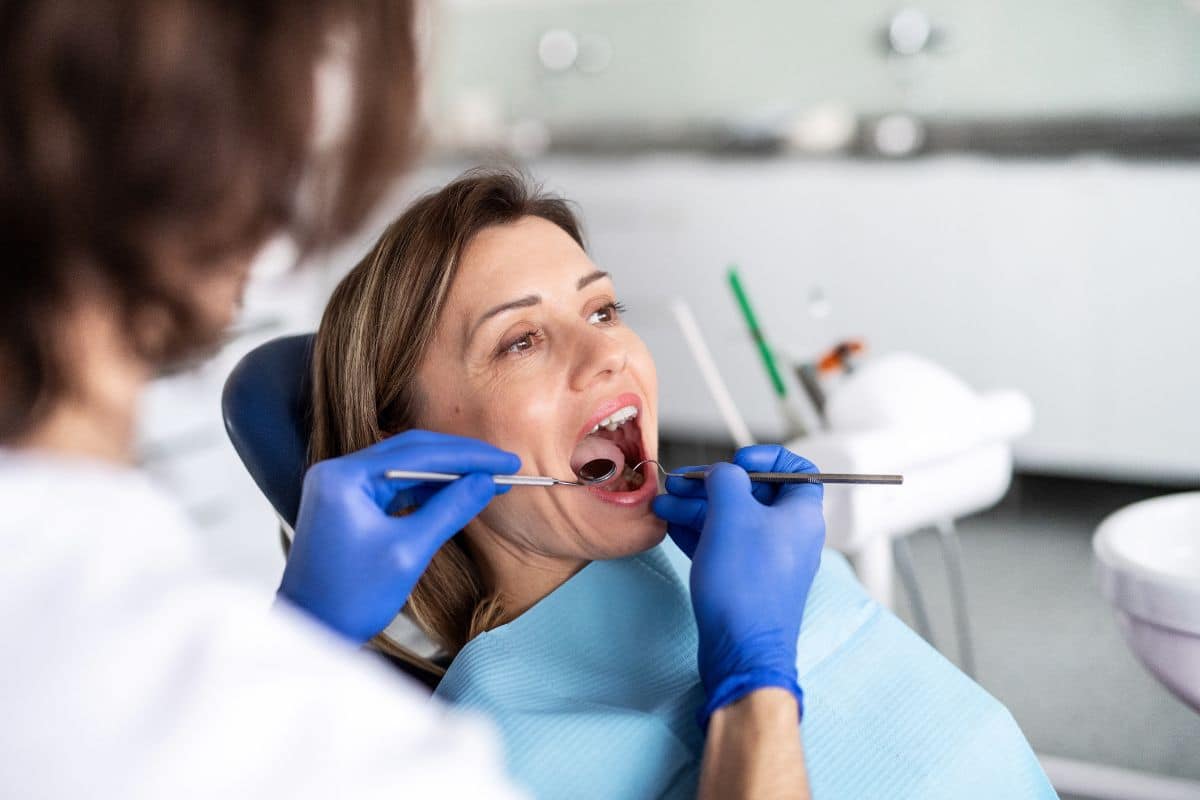
What Your Dentist Looks For During Your Visit
Regular dental appointments allow your dentist to detect small problems before they become larger concerns.
During your examination, your dentist may carefully evaluate several areas.
Gum Health
Healthy gums should appear firm and pink.
Your dentist will check for:
- Bleeding
- Swelling
- Gum pockets
- Receding gums
- Bone loss
These findings help determine whether gum disease is present.
Signs of Dry Mouth
Your dentist will evaluate saliva production and look for symptoms that indicate reduced moisture inside the mouth.
Dry tissues may increase your risk of cavities and infections.
Tooth Decay
Patients with diabetes sometimes develop cavities more quickly.
Your dentist examines every tooth for early signs of decay before extensive damage occurs.
Healing Progress
If you recently received dental treatment, your dentist will check whether healing is progressing normally.
Any delayed healing may require additional care or communication with your primary healthcare provider.
Oral Infections
Your dentist also looks for:
- Thrush
- Mouth ulcers
- Tissue irritation
- Unusual lesions
Early diagnosis allows treatment to begin before infections spread.
Can Gum Disease Affect Diabetes?
Yes. The relationship works both ways.
Just as diabetes increases the risk of gum disease, severe gum disease may make blood sugar harder to control.
Inflammation throughout the body can interfere with glucose management. Consequently, treating gum disease may help support better diabetes management alongside your physician’s recommendations.
This connection highlights why regular dental care plays an important role in overall health.
How to Protect Your Smile When You Have Diabetes
Fortunately, you can lower your risk of dental complications by following several healthy habits.
Keeping Blood Sugar Under Control
Managing your diabetes benefits every part of your body, including your mouth.
Follow your healthcare provider’s recommendations regarding:
- Medication
- Diet
- Exercise
- Blood sugar monitoring
Brush Twice Every Day
Brush for at least two minutes using fluoride toothpaste.
Choose a soft-bristled toothbrush and replace it every three to four months.
Floss Every Day
Floss removes plaque between teeth where toothbrushes cannot reach.
Daily flossing also helps reduce gum inflammation.
Stay Hydrated
Drinking plenty of water helps relieve dry mouth and supports natural saliva production.
Sugar-free gum may also stimulate saliva in some people.
Avoid Tobacco Products
Smoking significantly increases the risk of gum disease, delayed healing, and tooth loss.
Quitting tobacco supports both diabetes management and dental health.
Visit Your Dentist Regularly
Routine examinations help identify changes before they become serious problems.
Professional cleanings also remove hardened plaque that brushing cannot eliminate.
Warning Signs You Should Never Ignore
Contact your dentist promptly if you notice:
- Bleeding gums
- Loose teeth
- Persistent bad breath
- Swollen gums
- Mouth sores that do not heal
- Toothache
- Dry mouth that continues for weeks
- White patches inside your mouth
Early treatment often prevents more extensive dental procedures later.
Frequently Asked Questions
Should people with diabetes visit the dentist more often?
Some patients benefit from more frequent cleanings and examinations, especially if they have gum disease or difficulty controlling blood sugar. Your dentist will recommend a schedule based on your needs.
Can diabetes cause tooth loss?
Yes. Untreated gum disease may damage the tissues and bone supporting your teeth, eventually leading to tooth loss.
Is dry mouth always caused by diabetes?
No. Certain medications, aging, and other medical conditions may also reduce saliva production.
Should I tell my dentist that I have diabetes?
Absolutely. Sharing your medical history helps your dentist provide safer, more personalized care and plan treatments appropriately.
Understanding how diabetes affects oral health allows you to take proactive steps before small issues become serious problems. Regular dental visits, good daily hygiene, and proper blood sugar management work together to protect your teeth and gums for years to come. If you have diabetes or have noticed changes in your smile, schedule an appointment with Designer Dentistry & Smiles Sioux Falls. Our caring team is committed to providing personalized care for every patient in Sioux Falls. To take the next step toward a healthier smile, visit our dental office and let us help you protect your long-term dental health.