6100 W. 41st St. Sioux Falls, SD 57106

Dental bonding is one of the most popular cosmetic treatments we offer at Designer Dentistry & Smiles Sioux Falls. It is fast, affordable, and can genuinely improve how your smile looks. But dental bonding can’t fix everything—here’s what it actually changes in Sioux Falls, and what it simply cannot do. Understanding the difference helps you make a confident, informed decision before you ever sit in the chair.
What Dental Bonding Actually Does Well
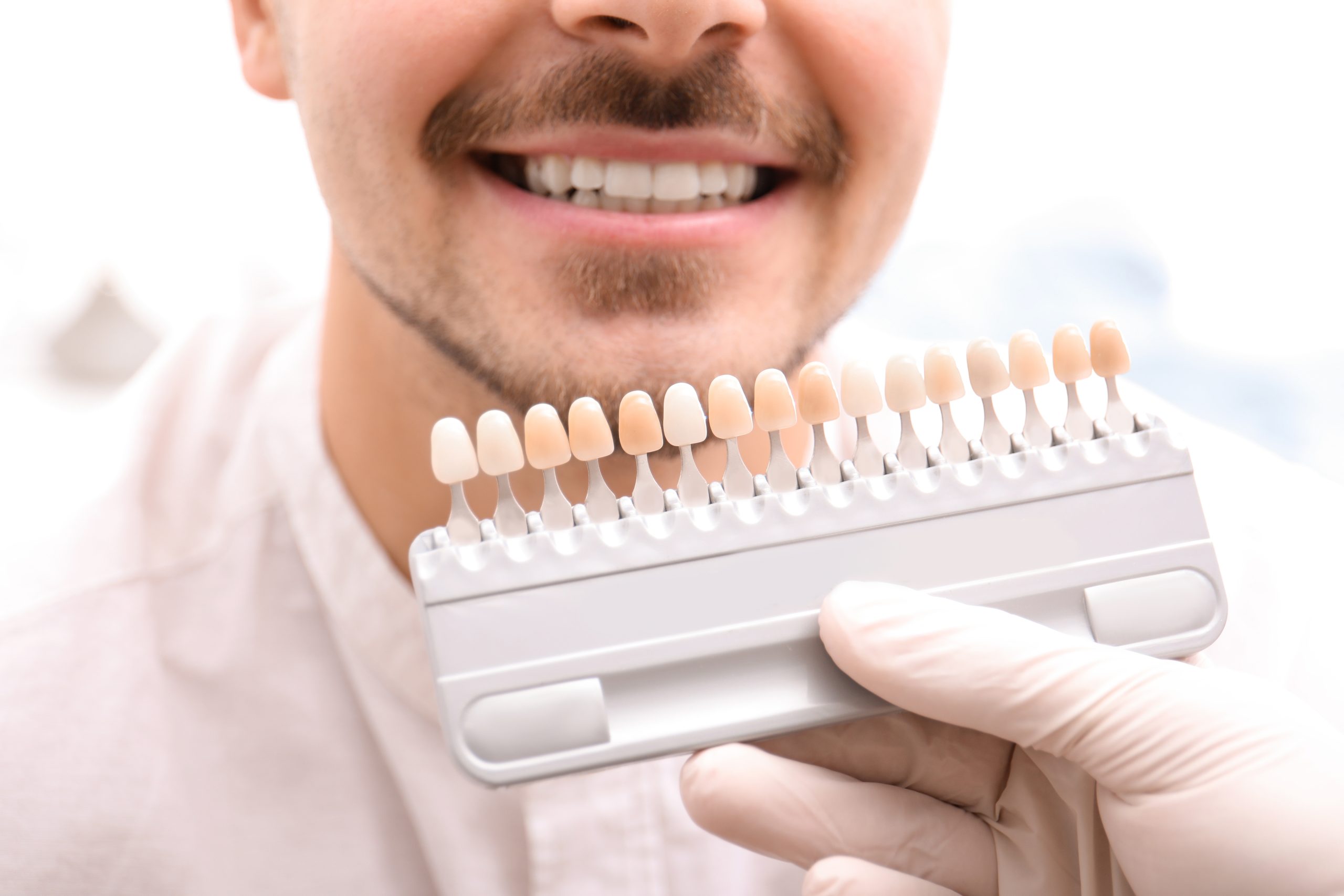
Dental bonding uses a tooth-colored composite resin applied directly to your tooth. Dr. Nichole Cauwels sculpts and hardens the material in a single visit. The results can be immediate and quite striking for the right candidates.
Here is what bonding genuinely excels at changing:
- Repairing small chips or cracks on front teeth
- Closing minor gaps between teeth
- Reshaping slightly uneven or irregular tooth edges
- Covering surface stains that whitening cannot remove
- Adding length to worn-down teeth
These are real, visible improvements. When the problem is surface-level, bonding is often the most efficient solution available. It requires little to no enamel removal and is completely reversible in most cases.
What Dental Bonding in Sioux Falls Cannot Change
Honesty matters more than a hard sell. Bonding has clear limits, and every patient in Sioux Falls deserves to know them upfront. Composite resin sits on the tooth surface—it does not change what is underneath.
Bonding cannot correct these issues:
- Jaw misalignment or skeletal bite problems
- Deep overbites, underbites, or crossbites
- Severely crowded or rotated teeth
- Large structural damage that compromises tooth integrity
- Missing teeth (a gap from a lost tooth needs a different solution)
If your concern involves jaw structure or significant misalignment, orthodontic treatment is the appropriate path. Invisalign, for example, moves teeth into better positions over time. Bonding layered over a crooked tooth simply makes a crooked tooth look a little smoother—it does not straighten it.
For missing teeth, bonding is not a substitute. Dental Implants Sioux Falls are the gold-standard replacement option when a tooth is gone entirely. Another common solution is a Dental Bridges Sioux Falls restoration, which spans the gap using neighboring teeth for support.
How Bonding Compares to Veneers and Other Cosmetic Options
Patients often ask Dr. Cauwels whether bonding or veneers is the better choice. The honest answer depends entirely on the problem you are trying to solve. Both improve aesthetics, but they work differently and last differently.
Composite bonding is applied freehand and hardened with a curing light. Porcelain veneers are custom-fabricated in a lab and bonded to a slightly prepared tooth surface. Veneers typically last longer—ten to fifteen years with good care versus five to seven years for bonding.
Bonding is a smart starting point if your concern is minor. It costs less, requires no laboratory time, and can be completed in one appointment. If the cosmetic goal is more comprehensive—changing the shape, color, and symmetry of multiple teeth at once—veneers often deliver a more durable and dramatic result.
Neither option, however, replaces the function of a tooth lost entirely. That is when implants or bridges enter the conversation. Understanding the right tool for the right problem is exactly what a consultation with Dr. Cauwels helps clarify.
What You Can Realistically Expect After Dental Bonding
Setting realistic expectations before treatment protects you from disappointment afterward. Bonding done well genuinely improves symmetry, smooths rough edges, and creates a more uniform color across the smile. Most patients are happy with their results when the treatment matches the actual problem.
Here is what to expect after your bonding appointment:
- Mild sensitivity for a day or two—this is normal and temporary
- A smooth, natural-feeling surface that blends with surrounding teeth
- Results that look great but require some care to maintain
- Bonding material that can chip if you bite hard foods or use your teeth as tools
Bonding is not as stain-resistant as porcelain. Coffee, tea, and red wine can gradually discolor the resin over time. Maintaining good oral hygiene and attending regular cleanings at our Sioux Falls office helps extend the life of your bonding significantly.
Touch-ups are also possible. If a small section chips or discolors, Dr. Cauwels can often repair it quickly without redoing the entire restoration. That flexibility is one of bonding’s genuine advantages over more permanent cosmetic work.
Is Dental Bonding Right for You?
The best way to find out is a straightforward consultation. Dr. Nichole Cauwels will examine your teeth, listen to your concerns, and give you an honest picture of what bonding can and cannot achieve for your specific situation. There is no pressure to proceed—only clear, patient-centered guidance.
If bonding is not the right fit, other options at Designer Dentistry & Smiles Sioux Falls may be. From Invisalign to zirconia implants to porcelain veneers, the goal is always to match the treatment to your actual needs. A beautiful smile starts with the right plan, not just the fastest or cheapest procedure.
Ready to find out what is possible for your smile? Book Now to schedule your appointment with our team.
Frequently Asked Questions
How long does dental bonding last?
Dental bonding typically lasts five to seven years with proper care. Avoiding hard foods, maintaining good oral hygiene, and attending regular dental cleanings can help extend its lifespan. Touch-up repairs are usually quick and straightforward if minor chips occur.
Does dental bonding look natural?
Yes, when done by an experienced dentist like Dr. Nichole Cauwels, composite resin is matched closely to your natural tooth color. The material is shaped and polished to blend seamlessly. Most people cannot tell the difference between bonded teeth and natural ones.
Can dental bonding fix a missing tooth?
No, dental bonding cannot replace a missing tooth. It is a surface treatment applied to an existing tooth structure. For missing teeth, options like dental implants or dental bridges are more appropriate and should be discussed during a consultation.
Is dental bonding painful?
Dental bonding is generally painless. In most cases, no anesthesia is needed unless the bonding is being used to fill a cavity. Some patients experience mild sensitivity after the procedure, but this typically resolves within a day or two.
How is dental bonding different from veneers?
Bonding uses composite resin applied and shaped directly on the tooth in one visit. Veneers are thin porcelain shells custom-made in a lab and bonded to a slightly prepared tooth surface. Veneers tend to last longer and resist staining better, but bonding is faster, less invasive, and more affordable for minor cosmetic corrections.