6100 W. 41st St. Sioux Falls, SD 57106
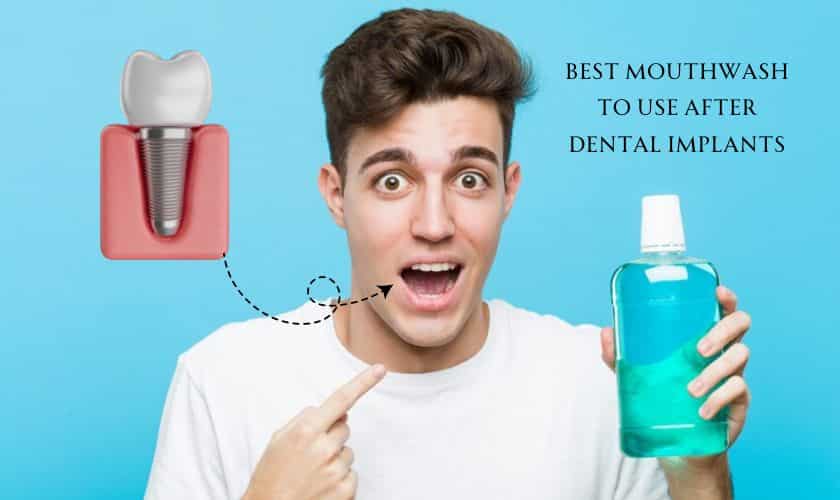
Dental implants are a remarkable advancement in modern dentistry, offering a durable and aesthetically pleasing solution for missing teeth. Whether you’re looking to replace a single tooth or restore multiple teeth, dental implant surgery can significantly improve your oral health and quality of life. However, post-surgery care is crucial to ensure the success and longevity of your implants. One important aspect of this care is choosing the right mouthwash. In this blog, we’ll explore the best mouthwash options to use after dental implants and why they’re essential.
Why Dental Implant Post-Surgery Care is Important
After dental implant surgery, proper oral hygiene is vital to prevent infection, ensure healing, and maintain the health of the surrounding gums and bones. A critical component of this care routine is the use of an appropriate mouthwash, which can help reduce bacteria and promote healing.
Factors to Consider When Choosing a Mouthwash
1. Antibacterial Properties
One of the primary functions of a mouthwash post-implant surgery is to minimize bacterial load in the mouth. This helps prevent infections around the implant site, which can compromise the healing process and the implant’s stability.
2. Alcohol-Free Formulations
Alcohol-containing mouthwashes can be harsh on the delicate tissues of the mouth, especially after surgery. They can cause dryness and irritation, which might delay healing. Therefore, it’s generally recommended to use alcohol-free mouthwashes.
3. Anti-Inflammatory Ingredients
Mouthwashes with anti-inflammatory properties can help reduce swelling and discomfort around the implant site. Ingredients like aloe vera, chamomile, and essential oils can be beneficial in this regard.
Recommended Mouthwashes for Dental Implant Care
1. Chlorhexidine Mouthwash
Chlorhexidine is a prescription antibacterial mouthwash often recommended by dentists after dental implant surgery. It is highly effective at reducing bacterial populations and promoting healing. However, it should be used as directed by your implant dentist because prolonged use can cause staining of the teeth and alterations in taste.
2. Prescription-Strength Mouthwashes
Your implant dentist might prescribe a specific mouthwash tailored to your needs. These mouthwashes often contain higher concentrations of active ingredients than over-the-counter options and are designed to address specific issues such as bacterial control or inflammation.
3. Natural and Herbal Mouthwashes
For those who prefer natural remedies, there are herbal mouthwashes available that contain ingredients known for their antibacterial and anti-inflammatory properties. Tea tree oil, echinacea, and myrrh are common components that can help in maintaining oral hygiene without the use of harsh chemicals.
How to Use Mouthwash Effectively After Dental Implants
1. Follow Your Dentist’s Instructions
It’s crucial to follow the instructions provided by your implant dentist in Sioux Falls regarding the use of mouthwash. Overuse or incorrect use can lead to complications such as irritation or ineffective cleaning.
2. Regular but Moderate Use
Using mouthwash regularly is important, but moderation is key. Typically, rinsing twice a day is sufficient. Excessive use can lead to dry mouth and other issues.
3. Complement with Proper Brushing and Flossing
Mouthwash should not replace brushing and flossing. These mechanical cleaning methods are essential for removing plaque and food particles that mouthwash alone cannot eliminate.
Potential Issues and Solutions With Mouthwash
1. Dry Mouth
If you experience dry mouth as a result of using a particular mouthwash, consider switching to a different brand or formulation. Products designed for sensitive mouths are often less drying.
2. Staining
Some mouthwashes, particularly those containing chlorhexidine, can cause staining of the teeth. If this occurs, consult with your dentist about alternative options or additional cleaning methods.
Choosing the best mouthwash after dental implant surgery is crucial for ensuring optimal healing and long-term success of your implants. Antibacterial properties, alcohol-free formulations, and anti-inflammatory ingredients are key factors to consider. Always follow your implant dentist’s recommendations and maintain a comprehensive oral hygiene routine to replace and restore your smile effectively.
Remember, each patient’s needs are unique, so it’s essential to consult with your dental professional to find the mouthwash that best suits your situation. With proper care, your dental implants can provide a lifetime of beautiful, functional smiles.