6100 W. 41st St. Sioux Falls, SD 57106
Implant eligibility and patient concerns often come up when someone wants to replace a missing tooth but also has gum disease. The good news is that a history of gum disease does not automatically rule out dental implants. At Designer Dentistry & Smiles in Sioux Falls, Dr. Kendra Zuercher and Dr. Nichole Cauwels help patients understand the factors that affect tooth replacement and long-term oral health.
Dental implants can replace missing teeth with a natural-looking restoration. However, successful treatment depends on healthy supporting tissues, suitable bone, and careful planning.
Gum disease can damage the tissues and bone that support your teeth. Therefore, active infection needs attention before your dentist can determine whether implants are a suitable choice.
The next step is not to assume that implants are impossible. Instead, learn how gum health affects treatment and what you can do to improve your chances of a successful result.
How Does Gum Disease Affect Dental Implants?
Gum disease begins when plaque builds up around the teeth and causes inflammation. In its early stage, called gingivitis, the gums may become red, swollen, or prone to bleeding.
Without proper care, the condition can progress to periodontitis. At this stage, infection damages the tissues and bone that hold teeth in place.
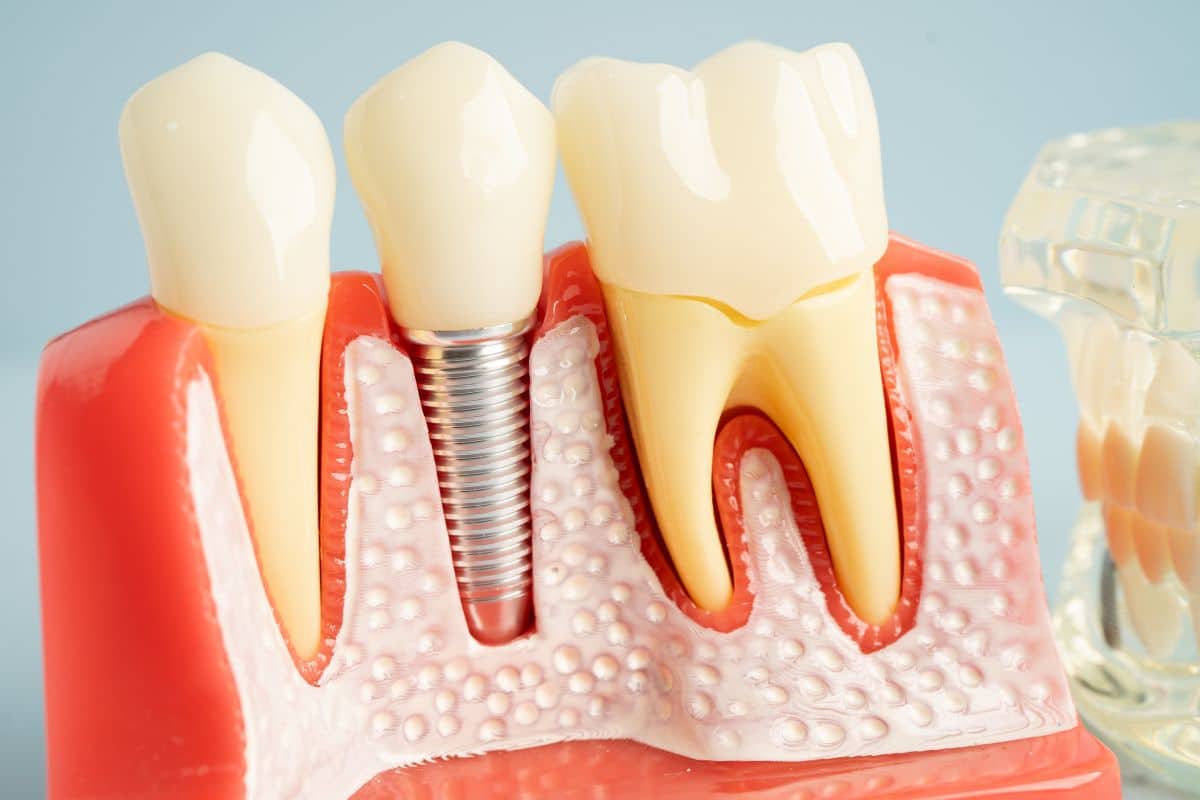
Dental implants also depend on healthy supporting tissues. Although implants do not develop cavities, the gums and bone around them can become inflamed or infected.
This creates two important concerns:
- Reduced bone support: Advanced gum disease may leave less bone available to support an implant.
- Higher risk of complications: A history of periodontitis can increase the risk of inflammation around implants, especially when the disease remains uncontrolled.
However, these risks do not mean every patient with gum disease must avoid implants. Many patients can explore treatment after their dentist addresses active disease and evaluates the remaining support.
Implant Eligibility and Patient Concerns: What Determines Candidacy?
There is no single test that determines whether every patient can receive an implant. Your dentist will consider several parts of your oral and general health.
1. The Current Condition of Your Gums
First, your dentist will check for signs of active gum disease. These may include bleeding, swelling, gum pockets, or changes in the tissues around your teeth.
If the disease is active, treatment will usually take priority. This helps reduce inflammation and creates a healthier environment for future implant planning.
Your dentist may recommend a professional cleaning, deep cleaning, or periodontal treatment based on the severity of the condition.
2. The Amount of Available Jawbone
An implant needs enough suitable bone for stable placement. Periodontitis can reduce bone support, so your dentist may use dental X-rays or three-dimensional imaging to assess the area.
If the bone is too thin or low, additional treatment may be necessary. For example, bone grafting can sometimes rebuild part of the lost support.
Still, grafting is not suitable for every patient. Your dentist will explain whether it may help and what the additional healing time could involve.
3. Your General Health
Health conditions and certain medications can affect healing after implant surgery. For instance, poorly controlled diabetes may increase the risk of complications.
Smoking can also impair healing and increase the risk of gum problems. Therefore, your dentist will review your medical history and discuss any changes that may improve your outcome.
Be sure to share your medications, health conditions, and tobacco use honestly. This information helps your care team plan treatment safely.
Should You Treat Gum Disease Before Getting Implants?
In most cases, your dentist will want active gum disease under control before implant placement. Treating the infection first can help protect the surrounding tissues and improve the conditions needed for healing.
Your treatment plan may include several steps.
- A periodontal examination: Your dentist measures gum pockets and checks for bleeding, inflammation, and bone loss.
- Professional cleaning or deep cleaning: These procedures remove plaque and hardened deposits from areas you cannot clean effectively at home.
- Additional gum treatment: More advanced disease may require further periodontal care.
- A reassessment: Your dentist checks whether inflammation has improved and whether your gums are stable.
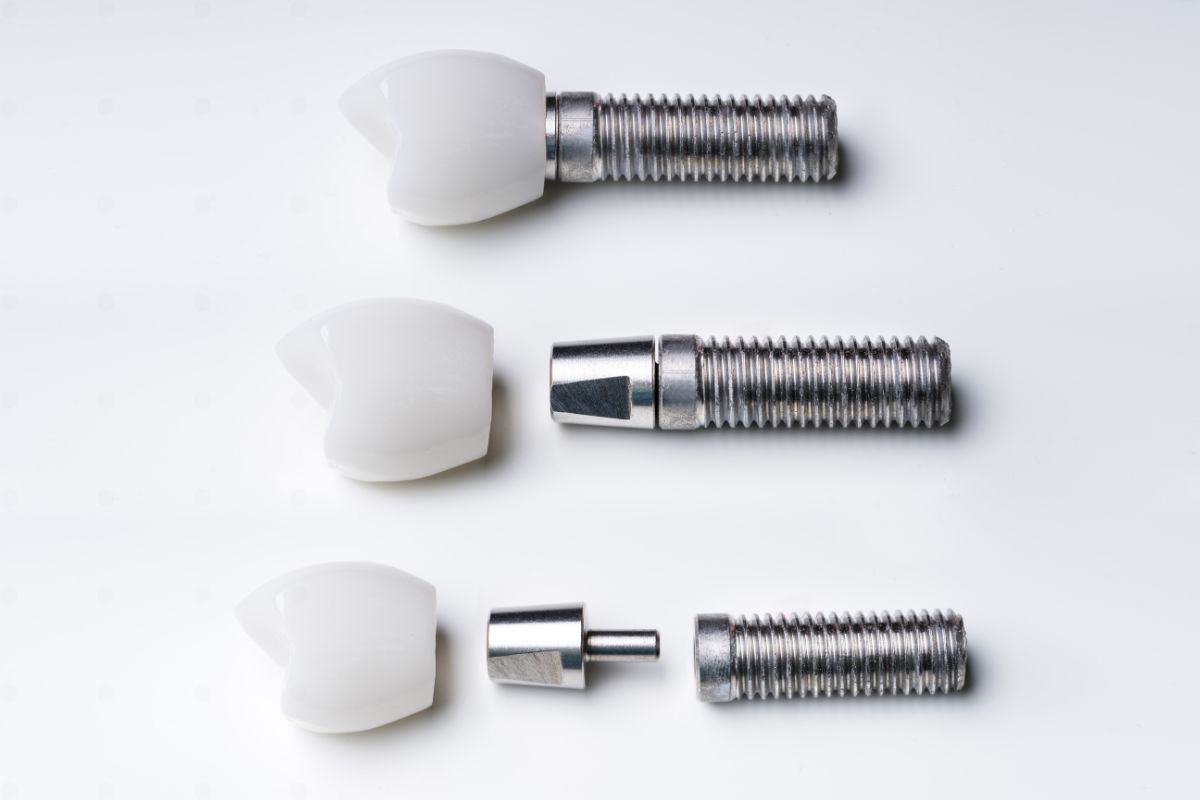
- Implant planning: If the area is suitable, your dentist can discuss placement, restoration, and follow-up care.
The timeline varies from person to person. Some patients need only a short period of treatment before reassessment, while others require longer care or additional procedures.
Most importantly, do not rush the process. Healthy supporting tissues provide a better foundation for implant treatment than untreated inflammation.
What Happens If You Have Already Lost Bone?
Bone loss does not always prevent implant treatment. However, it can make planning more complex.
Your dentist may recommend a bone graft to add support in the area where the implant will go. Depending on the location and amount of bone loss, this may happen before implant placement or as part of a planned surgical procedure.
A graft needs time to heal. Consequently, the overall treatment process may take longer than it would for someone with enough natural bone.
Other factors matter, too. Your bite, the position of nearby teeth, and the condition of the remaining gums all influence the final plan.
If implant placement is not a suitable option, your dentist can discuss alternatives. These may include a dental bridge or a removable partial denture.
The best choice depends on your needs, preferences, and clinical findings. A personalized examination is the only reliable way to compare these options.
Can Gum Disease Return After Dental Implant Placement?
Yes. Treating gum disease before implant surgery is important, but it does not eliminate future risk.
Two conditions can affect the tissues around dental implants:
- Peri-implant mucositis: Inflammation affects the soft tissue around an implant, often due to plaque buildup.
- Peri-implantitis: Inflammation affects the surrounding tissues and can damage supporting bone.
These conditions differ from gum disease around natural teeth, but they also require attention. If inflammation progresses, it can threaten implant stability.
Patients with a history of periodontitis may need closer monitoring. Fortunately, daily cleaning and regular professional care can help reduce the risk of problems.
Your dentist may recommend a maintenance schedule based on your gum health and the complexity of your treatment. Keep these visits even when the implant feels comfortable.
How Can You Protect Your Gums Before and After Implants?
Good oral hygiene plays an important role throughout the implant process. Before treatment, it helps control gum inflammation. After treatment, it helps protect the tissues around the restoration.
Follow these practical steps:
- Brush twice daily: Use a soft-bristled toothbrush and fluoride toothpaste.
- Clean between teeth: Use floss or interdental brushes as advised by your dental team.
- Avoid tobacco: Ask your healthcare provider for help quitting if needed.
- Manage health conditions: Follow your medical team’s advice for conditions that affect healing.
- Attend maintenance visits: Professional monitoring helps identify inflammation before it causes more serious damage.
- Report changes promptly: Bleeding, swelling, tenderness, or pus around an implant deserves a dental assessment.
Also, do not assume that an implant needs less care than a natural tooth. Implants require consistent cleaning and monitoring to remain healthy.
What Questions Should You Ask Before Implant Treatment?
A consultation gives you an opportunity to understand the risks, timeline, and expected results. Consider asking your dentist:
- Is my gum disease active, or is it under control?
- Do I have enough bone to support an implant?
- Will I need gum treatment or bone grafting first?
- What are the risks given my medical history?
- How long might the full process take?
- What maintenance will I need after treatment?
- What alternatives should I consider?
These questions can help you make an informed decision. They also give your dentist a chance to explain what is realistic for your specific situation.
Explore Dental Implant Options at Designer Dentistry & Smiles
Gum disease can complicate dental implant treatment, but it does not automatically make you ineligible. By treating active inflammation, assessing bone support, and maintaining healthy gums, some patients can move forward with a suitable plan.
If you are considering tooth replacement and have concerns about your gum health, schedule an appointment with Designer Dentistry & Smiles in Sioux Falls.