6100 W. 41st St. Sioux Falls, SD 57106
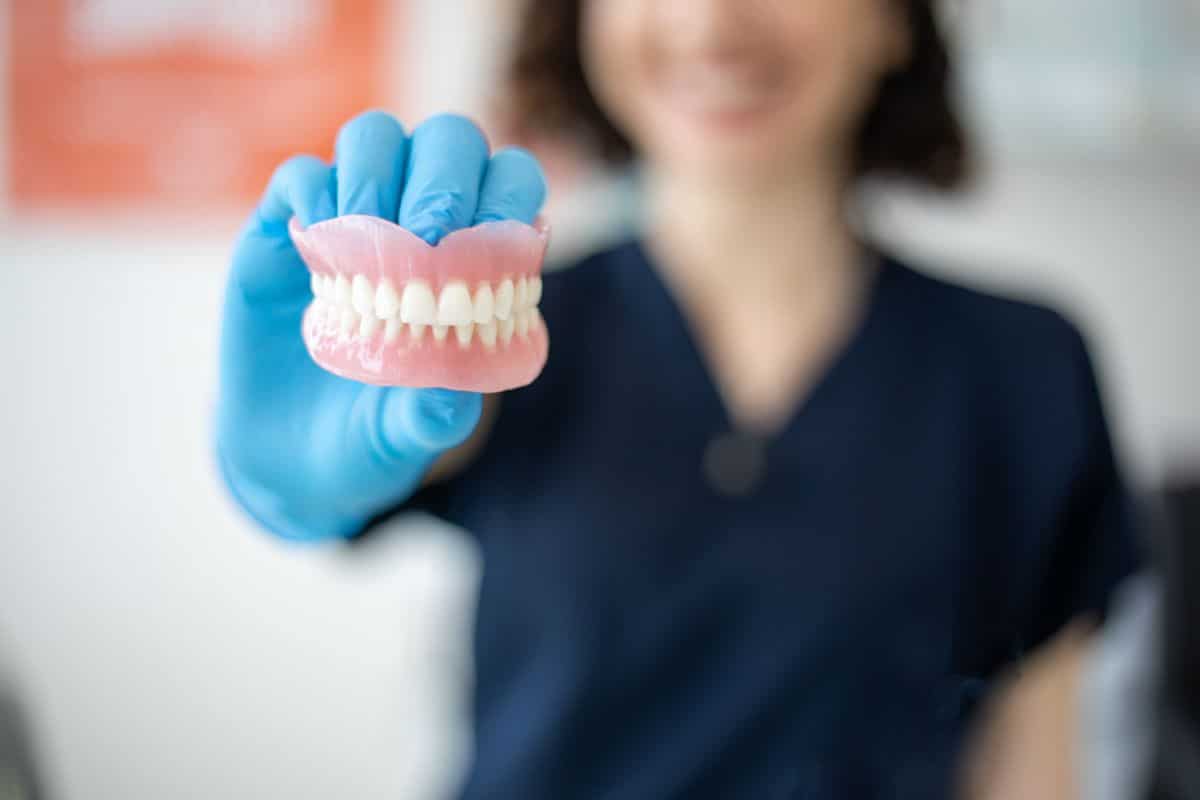
Old dentures can provide years of support, but they may not always fit the same way over time. If your replacement teeth feel loose, cause sore spots, or make eating harder, these changes may signal that your appliance needs professional attention. At Designer Dentistry & Smiles Sioux Falls, patients can discuss their concerns with Dr. Nichole Cauwels, Dr. Kendra Zuercher, or Dr. Cassondra Heinz and explore personalized options for restoring comfort and function.
A comfortable fit matters for more than appearance. Your appliance should allow you to eat, speak, and smile without constant irritation or movement. When the fit changes, you may start making small adjustments to your daily routine without realizing that your replacement teeth need evaluation.
Why Dentures Can Change Fit Over Time
Your mouth does not stay exactly the same throughout your life. After tooth loss, the jawbone can gradually change shape because it no longer receives the same stimulation from natural tooth roots. Your gums and other oral tissues can also change over the years.
As a result, an appliance that once felt secure may eventually feel different.
Several factors can contribute to changes in fit, including:
- Natural changes in the jawbone
- Changes in gum tissue
- Normal wear from daily use
- Changes in your bite
- Damage or cracks
- Changes in facial structure
- Weight changes
- Poor cleaning or maintenance
- Long periods of use
Designer Dentistry & Smiles Sioux Falls provides cosmetic dentures and partials as part of its comprehensive dental services. The practice focuses on personalized care and offers several options for patients who need tooth replacement or restoration.
1. Your Dentures Feel Loose
One of the clearest warning signs involves movement.
A properly fitting appliance should stay reasonably stable while you talk and eat. If yours begins sliding, rocking, or shifting more than it used to, the fit may have changed.
You may notice movement when you:
- Talk for a long time
- Laugh
- Chew food
- Open your mouth widely
- Move your tongue
- Yawn
Do not simply ignore the problem or assume that movement comes with age. A dental professional can examine the appliance and your mouth to determine why it no longer feels stable.
2. You Develop Sore Spots
Painful areas on your gums can indicate that an appliance places too much pressure on certain areas.
You might notice tenderness after wearing it for several hours. Some people also experience red or irritated spots where the base repeatedly rubs against soft tissue.
Occasional irritation may happen, but persistent soreness deserves attention.
Why Pressure Points Matter
When a replacement appliance does not distribute pressure evenly, certain areas may receive too much force during chewing. Continued rubbing can make everyday activities uncomfortable.
Instead of trying to reshape the appliance yourself, have your dentist check the fit. A professional can determine whether an adjustment, reline, repair, or replacement makes sense.
3. Chewing Becomes More Difficult
Your teeth play an important role in breaking food into smaller pieces. If your appliance no longer fits securely, chewing can become frustrating.
You may find yourself avoiding foods that once felt easy to eat. Harder or chewy foods might feel especially challenging.
You could also notice that food moves around your mouth differently or that you need to chew much more carefully.
If eating has become harder because of changes in fit, schedule an evaluation. Your dentist can determine whether the issue comes from the appliance, your bite, changes in your oral tissues, or another concern.
4. Your Speech Changes
Your teeth and oral structures work together to help you pronounce words clearly. When the fit changes, your speech may change too.
You might notice:
- Increased clicking or movement while talking
- Difficulty pronouncing certain sounds
- More saliva than usual
- Trouble keeping the appliance stable during conversation
- Feeling self-conscious when speaking
A small adjustment may sometimes improve stability. However, significant changes may indicate that the appliance needs more extensive treatment.
5. You Notice Clicking or Popping Sounds
A clicking sound while eating or speaking can happen when the upper and lower appliances contact each other differently.
Changes in your bite may cause this issue. However, clicking can have several causes, so you should not automatically assume that the appliance needs replacement.
Your dentist can examine your bite and assess how the teeth contact one another. This evaluation can help identify whether an adjustment or another treatment option could improve comfort.
6. Your Appliance Feels Uncomfortable After Meals
Some people notice discomfort more clearly after eating.
Food particles can become trapped underneath a loose base, causing irritation and discomfort. If the appliance moves during chewing, it can also rub against the gums.
You may find yourself repeatedly removing it to clean underneath.
While cleaning remains important, frequent discomfort after meals can signal a fit problem. A dental professional can check whether the base still fits your changing oral tissues.
7. You Use More Adhesive Than Before
Denture adhesive can provide additional support for some people. However, needing significantly more adhesive than you once did may suggest that the fit has changed.
If you keep increasing the amount just to keep the appliance stable, talk with your dentist.
An evaluation may help determine whether you need:
- A simple adjustment
- A reline
- A repair
- A new appliance
- Another tooth replacement option
Adhesive should not become a substitute for professional evaluation when your appliance no longer fits correctly.
8. Your Face or Smile Looks Different
Your teeth help support the lips and cheeks. When an appliance becomes worn or changes position, you may notice differences in your facial appearance.
For example, your smile might appear different, or your lips may seem less supported than before.
These changes do not necessarily mean you need a replacement. However, they can provide another reason to have your appliance evaluated.
A dentist can assess both function and appearance when recommending your next step.
9. Your Appliance Looks Worn or Damaged
Physical damage represents another reason to seek professional advice.
Look for:
- Cracks
- Chips
- Broken teeth
- Rough edges
- Visible wear
- Changes in color
- Damage around the base
Even small cracks can affect comfort and stability. Avoid attempting to repair the appliance with household glue or other products. These materials can damage the appliance or create additional problems.
Instead, ask your dental team whether professional repair makes sense or whether replacement would provide a better long-term solution.
10. You Avoid Wearing Them
Perhaps one of the most important signs involves how you feel about wearing your appliance.
If you frequently remove it because it feels uncomfortable, moves while eating, or causes irritation, do not simply accept the situation.
You deserve to feel comfortable while eating, speaking, and interacting with others.
Avoiding your appliance can also affect your daily routine. You may limit social activities, skip certain foods, or become reluctant to smile.
A professional evaluation can help you understand what is causing the discomfort and which solution may work best for you.
Reline vs. Replacement: What Is the Difference?
Not every older appliance needs complete replacement.
In some situations, a reline may improve the fit. During a reline, the inside surface receives new material that helps it adapt to changes in your gum and jaw shape.
A reline may make sense when:
- The appliance remains in good overall condition
- The teeth still look appropriate
- The base has no major damage
- The main problem involves changes in the underlying tissues
However, a replacement may make more sense when the appliance has significant wear or damage.
Replacement may be considered when:
- Teeth have worn down considerably
- The base has cracked
- The appliance no longer supports your bite well
- The appliance has become difficult to maintain
- The appearance no longer meets your needs
- A reline cannot provide adequate stability
Your dentist can evaluate the condition and explain which option fits your situation.
Can You Make Old Dentures Fit Better at Home?
You can take steps to keep your appliance clean and protect it from damage, but you should not attempt major adjustments yourself.
Avoid:
- Filing the appliance
- Cutting the base
- Using household glue
- Heating it to reshape it
- Bending components
- Making permanent changes without professional guidance
These attempts can damage the appliance and make professional correction more difficult.
Instead, clean it according to your dentist’s instructions and store it properly when you are not wearing it.
How to Care for Your Dentures
Good daily care can help keep your appliance in better condition.
Clean Them Regularly
Remove food and buildup according to your dentist’s recommendations. Clean gently to avoid unnecessary damage.
Handle Them Carefully
Hold them over a soft surface or a sink filled with water when removing or cleaning them. This can reduce the chance of damage if you accidentally drop them.
Keep Your Mouth Clean
Even when you wear full dentures, your gums and other oral tissues still need daily care.
Gently clean your gums, tongue, and other areas of your mouth as recommended by your dental team.
Attend Regular Dental Visits
Regular evaluations allow your dentist to monitor changes in your mouth and assess how well your appliance continues to fit.
The Designer Dentistry & Smiles Sioux Falls team recommends regular checkups and cleanings for most patients, although some individuals may need more frequent care depending on their oral health needs.
When Should You Talk to Your Dentist?
You do not have to wait until the appliance becomes unusable.
Contact your dental team if you notice:
- Persistent gum soreness
- Frequent slipping
- Difficulty eating
- New speech problems
- Repeated clicking
- Cracks or broken areas
- Increasing dependence on adhesive
- Changes in facial support
- A strong desire to stop wearing the appliance
Early evaluation may help you avoid unnecessary discomfort and identify the most appropriate solution.
Old dentures may stop fitting properly because your mouth changes, the appliance wears down, or damage affects its stability. Loose movement, sore gums, chewing difficulty, speech changes, clicking, and visible wear are all reasons to pay closer attention.
The good news is that you may not always need a completely new appliance. Depending on its condition, a professional adjustment or reline could restore comfort. In other situations, replacement may offer a better result.
Designer Dentistry & Smiles Sioux Falls provides personalized dental care and cosmetic denture and partial options for patients who need help with tooth replacement. Dr. Nichole Cauwels, Dr. Kendra Zuercher, and Dr. Cassondra Heinz can evaluate your needs and help you understand your available options.
If your appliance no longer feels comfortable or secure, schedule your appointment at Designer Dentistry & Smiles Sioux Falls to discuss whether a reline, repair, or replacement is right for you.