6100 W. 41st St. Sioux Falls, SD 57106
How Does Invisalign Move Teeth: Stages of Your Treatment

Straightening teeth no longer means metal wires and brackets. Today, clear aligners offer a modern and comfortable option. Many patients ask how Invisalign moves teeth without using traditional braces. The answer lies in careful planning, gentle pressure, and a step-by-step treatment process. This guide explains each stage in simple terms, so you know exactly what happens from start to finish.
Understanding the Science Behind Clear Aligners
If you are thinking about clear aligners, it helps to know how the process works. At its core, Invisalign move teeth by applying controlled force over time. Instead of tightening wires, you switch through a series of custom trays. Each tray nudges your teeth a little closer to their ideal position. As a result, the movement feels gradual and predictable, which makes the experience easier for many teens and adults.
Stage 1: Your Initial Consultation and Digital Scan
The journey begins with a professional evaluation. During this visit, your dentist will examine your teeth, bite, and jaw alignment. They also discuss your smile goals and answer questions.
Next, advanced digital scans capture a 3D image of your teeth. These scans replace messy impressions and improve accuracy. Using this data, the dentist maps out how Invisalign will move teeth from their current position to the final result.
What happens at this stage:
-
Oral exam and bite check
-
Digital scanning or 3D imaging
-
Personalized treatment discussion
This step sets the foundation for everything that follows.
Stage 2: Creating a Customized Treatment Plan
Once scans are complete, a detailed treatment plan is created. This plan shows every movement your teeth will make. You can even preview your future smile before treatment starts.
Each aligner is designed to apply pressure to specific teeth. Over time, Invisalign moves teeth in small increments, which helps protect bone and gum health.
After this, Designer Dentistry & Smiles Sioux Falls helps patients exploring Invisalign treatment in Sioux Falls feel confident through personalized care and consistent local support. Each plan is tailored for comfort, accuracy, and long-lasting results that fit naturally into your routine.
Key benefits of this stage:
-
Fully customized aligners
-
Predictable tooth movement
-
Clear timeline for progress
Stage 3: Wearing Your First Set of Aligners
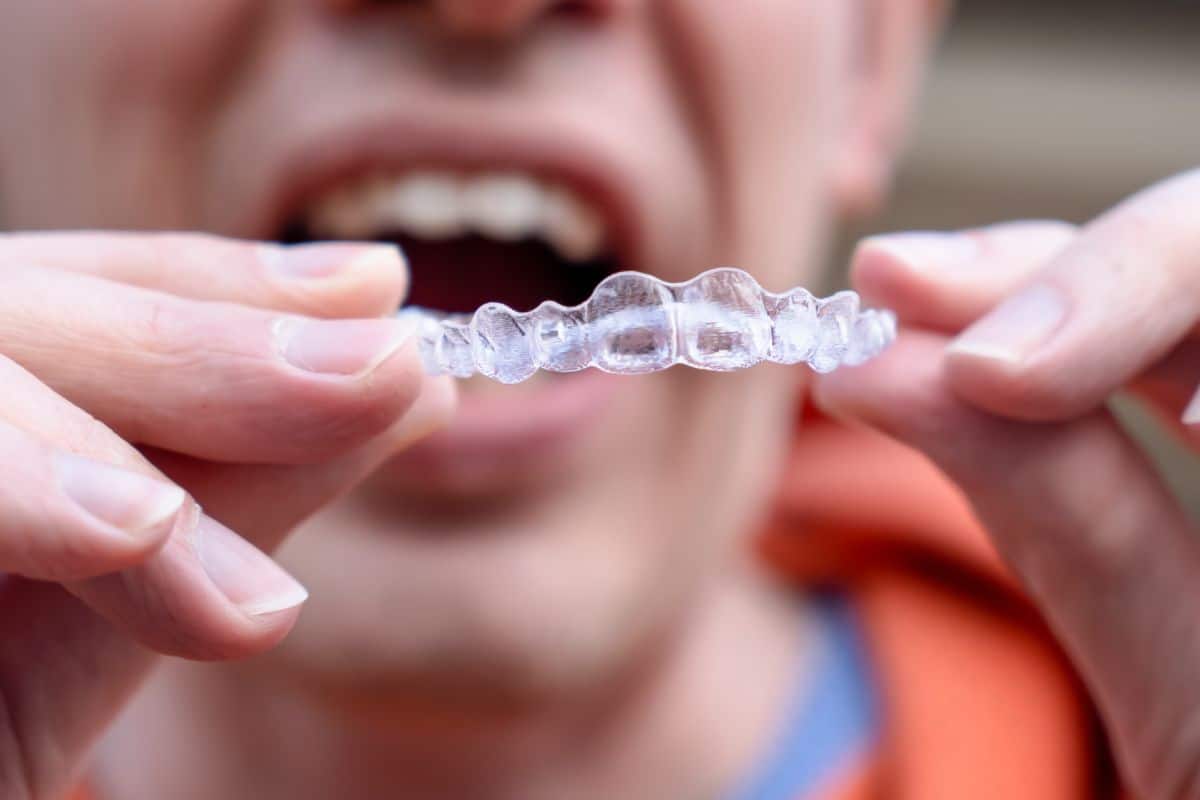
Once your aligners arrive, you begin wearing the first set. Each tray fits snugly over your teeth and stays nearly invisible. You usually wear them for 20 to 22 hours per day.
At this point, Invisalign moves teeth by applying light, steady pressure. You may feel mild discomfort at first, which signals that the aligners are working. However, this feeling often fades within a day or two.
Tips for success:
-
Wear aligners as directed
-
Remove them only for eating and cleaning
-
Clean trays daily to avoid buildup
Consistency plays a major role during this stage.
Stage 4: Switching Aligners and Gradual Progress
Every one to two weeks, you switch to a new set of aligners. Each new tray continues the movement started by the previous one. Because the changes remain small, Invisalign move teeth without sudden shifts.
Regular check-ins allow your dentist to monitor progress. If adjustments are needed, address them early. This approach keeps treatment on track and reduces delays.
Why gradual change matters:
-
Protects tooth roots
-
Supports healthy bone remodeling
-
Improves overall comfort
Stage 5: Attachments and Precision Movements
In some cases, small tooth-colored attachments are added. These attachments help aligners grip the teeth more effectively. They guide rotations, spacing, or vertical movements.
With attachments, Invisalign moves teeth more precisely. Although they may look noticeable up close, most people do not see them during daily interactions.
Common uses for attachments:
-
Rotating teeth
-
Closing gaps
-
Improving bite alignment
They enhance control while keeping the treatment discreet.
Stage 6: Monitoring Progress and Making Adjustments
Throughout treatment, your dentist checks progress at scheduled visits. These appointments ensure your teeth follow the planned path.
If the teeth respond differently, new scans may be taken. Updated aligners then refine the movement. This flexibility shows how Invisalign moves teeth through a responsive and patient-focused system.
During monitoring visits:
-
Progress gets reviewed
-
Fit of aligners is checked
-
Timeline adjustments may occur
This step keeps results predictable and safe.
Stage 7: Completing Treatment and Retention
Once you complete the final aligner, your active treatment ends. However, retention begins. Retainers hold teeth in their new position and prevent shifting.
Even after treatment, Invisalign moving teeth benefits remain only when you wear retainers as advised. Retention protects the time and effort invested in your smile.
Retention essentials:
-
Wear retainers as directed
-
Clean them regularly
-
Schedule follow-up visits
Clear aligners offer a thoughtful and effective way to straighten teeth. From digital planning to final retention, each stage supports healthy movement and long-term results. Understanding how Invisalign move teeth helps you feel confident and prepared for the journey ahead.
If you are considering clear aligners, schedule a consultation with Designer Dentistry & Smiles Sioux Falls to explore personalized care for patients and take the first step toward a confident, well-aligned smile.
Related Articles
May 21, 2026
By Designer Dentistry & Smiles
May 21, 2026
By Designer Dentistry & Smiles
February 12, 2026
By Designer Dentistry & Smiles