6100 W. 41st St. Sioux Falls, SD 57106

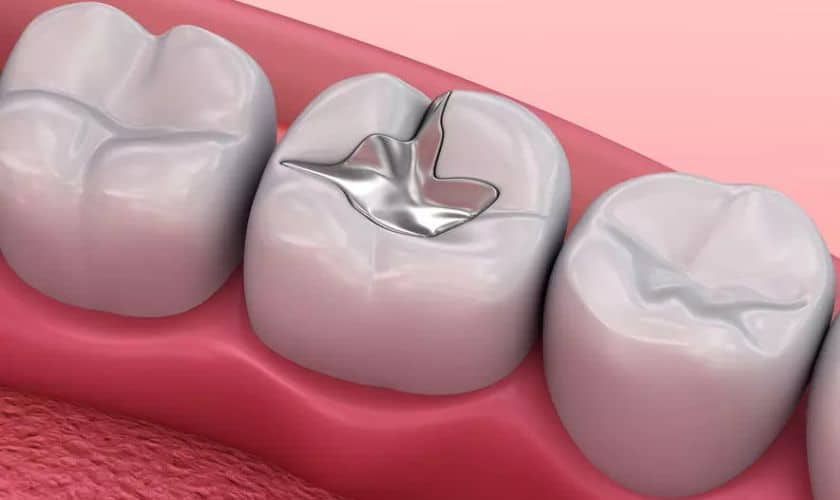
Cavities are one of the most common dental concerns, and chances are you’ve had at least one treated with a filling. A dental filling is designed to restore a damaged tooth by removing decay and sealing the area to prevent further issues. However, many patients are surprised to learn that a cavity can still develop in a tooth that has already been filled. This is known as recurrent decay, and it often occurs around the edges of an existing filling or beneath it if not properly cared for.
At Designer Dentistry & Smiles in Sioux Falls, SD, we believe in not only treating cavities but also educating our patients on how to maintain long-term oral health. Keeping up with regular checkups allows your dentist to monitor your fillings and catch signs of new decay early, helping to extend the life of your dental work.
In this blog, we’ll explain what recurrent decay is, why it occurs, how it can be treated, and what you can do to help prevent it in the future.
What Causes Recurrent Decay & How Does It Develop?
When a tooth is repaired, the filling material is bonded to the remaining structure. This bonding helps prevent harmful bacteria and food debris from infiltrating the area. However, the seal between the restoration and the natural tooth can degrade for various reasons. When this happens, slight gaps or openings may form, allowing bacteria to reach the tooth’s treated portion.
Several factors contribute to the weakening of the bond and further dental complications. Habits like excessive grinding, chewing on hard objects, or using teeth as tools can create minor fractures or chips. These imperfections open pathways for bacteria to invade, triggering damage beneath the restoration. Since such deterioration is not always visible, you need the precise diagnosis offered by a dentist.
Signs That Indicate Failure of Dental Fillings
If you have had previous dental restoration, watch out for these filling leakage signs before approaching a dentist:
- Persistent sensitivity to hot or cold temperatures.
- Discomfort or pain while chewing.
- Visible cracks, chips, or staining around the restoration’s edges.
- A feeling that the restored area no longer aligns your bite correctly.
- An unpleasant taste or bad breath that doesn’t go away.
Treatment to Combat Tooth Decay After a Filling
Dental imaging techniques, such as digital X-rays, help determine the extent of damage beneath a restoration. If the issue is minor, your dentist may safely remove the old filling, clean the affected area, and replace it with a dental filling. For more advanced decay, your dentist may recommend additional restorative options, such as a dental crown, to strengthen and protect the remaining tooth structure.
Keep Your Smile Healthy with Expert Dental Care in Sioux Falls
Knowing when to replace a filling is an important part of maintaining long-term oral health. Routine dental checkups give your care team the opportunity to assess your dental work and address any concerns early—before they lead to bigger problems.
If you think a filling may be failing, or if it’s time for a checkup, our dentists at Designer Dentistry & Smiles is here for you. We specialize in placing and replacing mercury-free dental fillings with precision and care.
Schedule your checkup today at our Sioux Falls, SD office and get the expert care your smile deserves—in a comfortable, patient-focused environment you can trust.