6100 W. 41st St. Sioux Falls, SD 57106
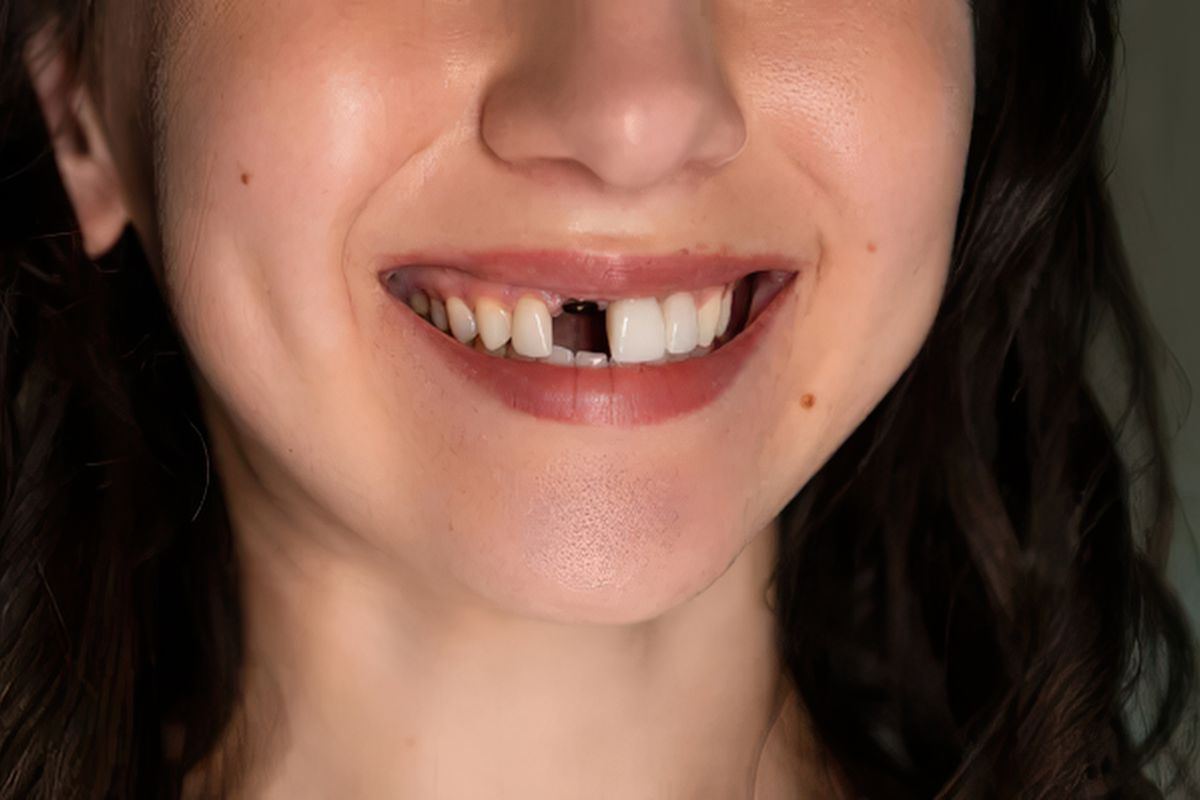
The consequences of missing teeth can affect more than your smile. A gap may change how you chew, speak, and care for the teeth around it. At Designer Dentistry & Smiles in Sioux Falls, Dr. Kendra Zuercher and Dr. Nichole Cauwels help patients explore tooth replacement options that support comfort, function, and long-term oral health.
You may feel tempted to leave a missing tooth alone, especially if it sits toward the back of your mouth. However, nearby teeth and the jawbone can change over time after tooth loss.
The effects depend on several factors, including the location of the gap, the number of missing teeth, and your current oral health. So, understanding the risks can help you decide when to seek advice about replacing a tooth.
What Are the Main Consequences of Missing Teeth?
A missing tooth leaves more than an empty space. Your teeth work together to support chewing, speech, and a balanced bite. When one disappears, the surrounding structures may begin to adapt.
Here are some common changes to consider.
1. Nearby Teeth May Shift
Teeth help maintain one another’s positions. When a tooth goes missing, neighboring teeth may gradually tilt or drift into the open space.
As a result, your bite may change. Teeth that once fit together comfortably may begin to meet differently.
Shifting can also create new spaces where food collects. These areas may become harder to clean, which can raise the risk of decay and gum problems.
2. Your Jawbone May Lose Volume
The roots of natural teeth stimulate the jawbone during chewing. After tooth loss, the bone in that area no longer receives the same stimulation.
Over time, the body may break down some of the bone that once supported the tooth. This process can affect the shape and strength of the jaw in the area.
The amount of bone loss varies from person to person. However, it can influence future tooth replacement options, particularly when you are considering implants.
3. Chewing May Become More Difficult
A missing tooth can make it harder to break down certain foods. You might start chewing on one side of your mouth to avoid the gap.
Consequently, your remaining teeth may take on extra work. Some people also change their food choices because chewing feels uncomfortable.
A balanced diet matters for overall health, so long-term chewing difficulties deserve attention. Fortunately, several tooth replacement options can help restore function.
How Missing Teeth Affect Your Bite and Daily Life
The consequences of missing teeth can extend beyond chewing. Depending on the location of the gap, you may notice changes in speech or feel less comfortable smiling.
Changes in Speech
Your teeth help shape certain sounds. Therefore, missing teeth, especially toward the front of the mouth, may affect how you pronounce some words.
Not everyone experiences speech changes. However, replacing missing teeth may help restore the support needed for clearer speech.
Extra Pressure on Remaining Teeth
When one tooth is absent, the remaining teeth may absorb more chewing force. Over time, this uneven pressure can contribute to wear or discomfort.
Meanwhile, teeth that shift into the gap may create bite problems. Your dentist can assess these changes and explain whether treatment would help.
Confidence and Social Comfort
Some people feel self-conscious about a visible gap. They may cover their mouths when laughing or avoid smiling in photographs.
These feelings are personal, and there is no single right response to tooth loss. Still, replacing a tooth may help you feel more comfortable with your appearance and daily interactions.
Can a Missing Tooth Affect Your Gums?
Yes. A gap can change how food and plaque collect around neighboring teeth. If these areas become difficult to clean, gum inflammation may develop.
Furthermore, gum disease can affect the support around your remaining teeth. That is especially important if you already have a history of gum problems.
A missing tooth does not automatically cause gum disease. However, the surrounding area still needs careful cleaning and regular professional monitoring.
Your dentist may recommend a cleaning routine tailored to the gap and any replacement appliance you use. Good home care also helps protect the teeth you still have.
What Are Your Options for Replacing a Missing Tooth?
The right option depends on your oral health, the number of missing teeth, your goals, and your budget. Fortunately, several approaches can restore your smile.
Dental Implants
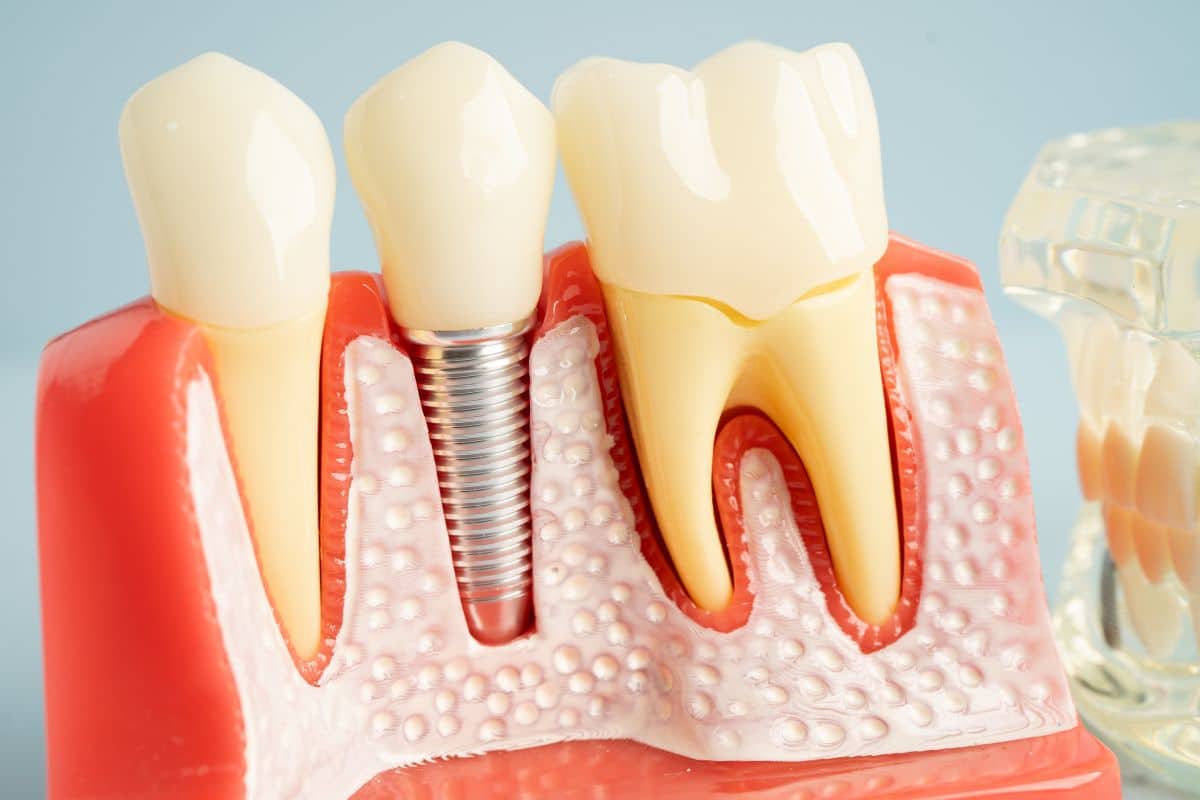
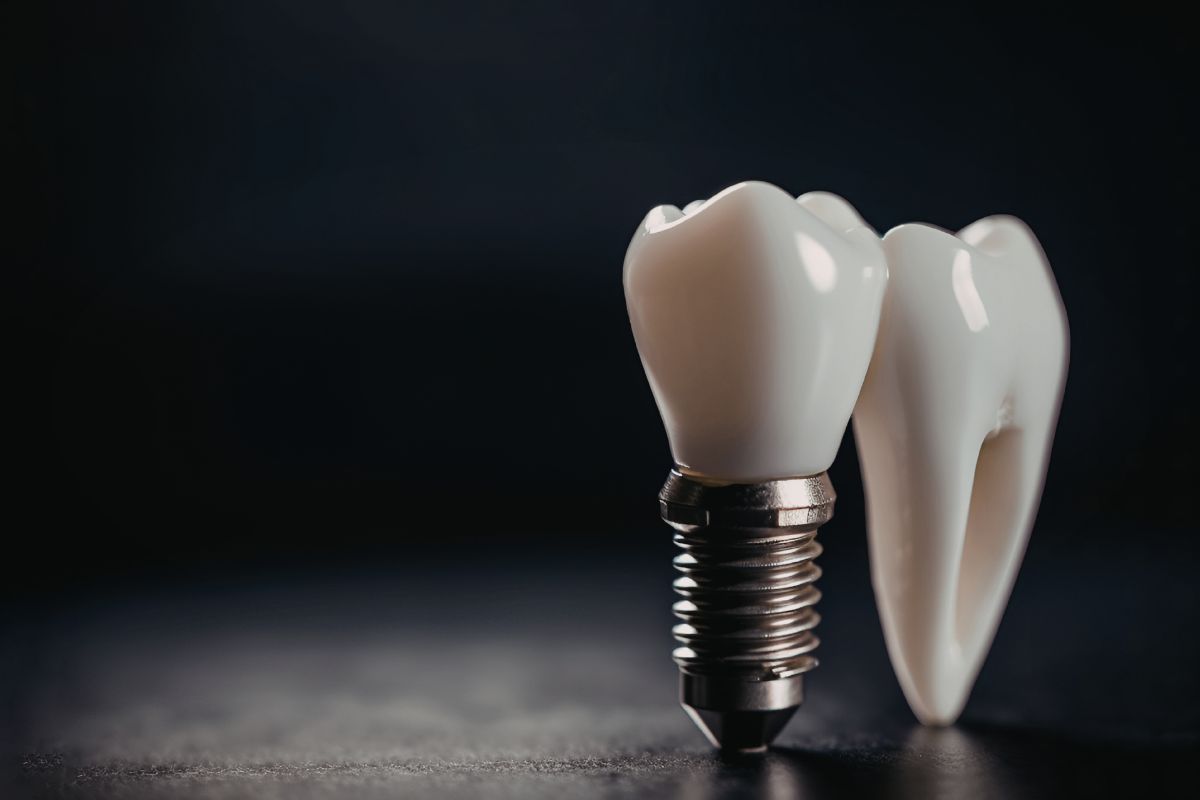
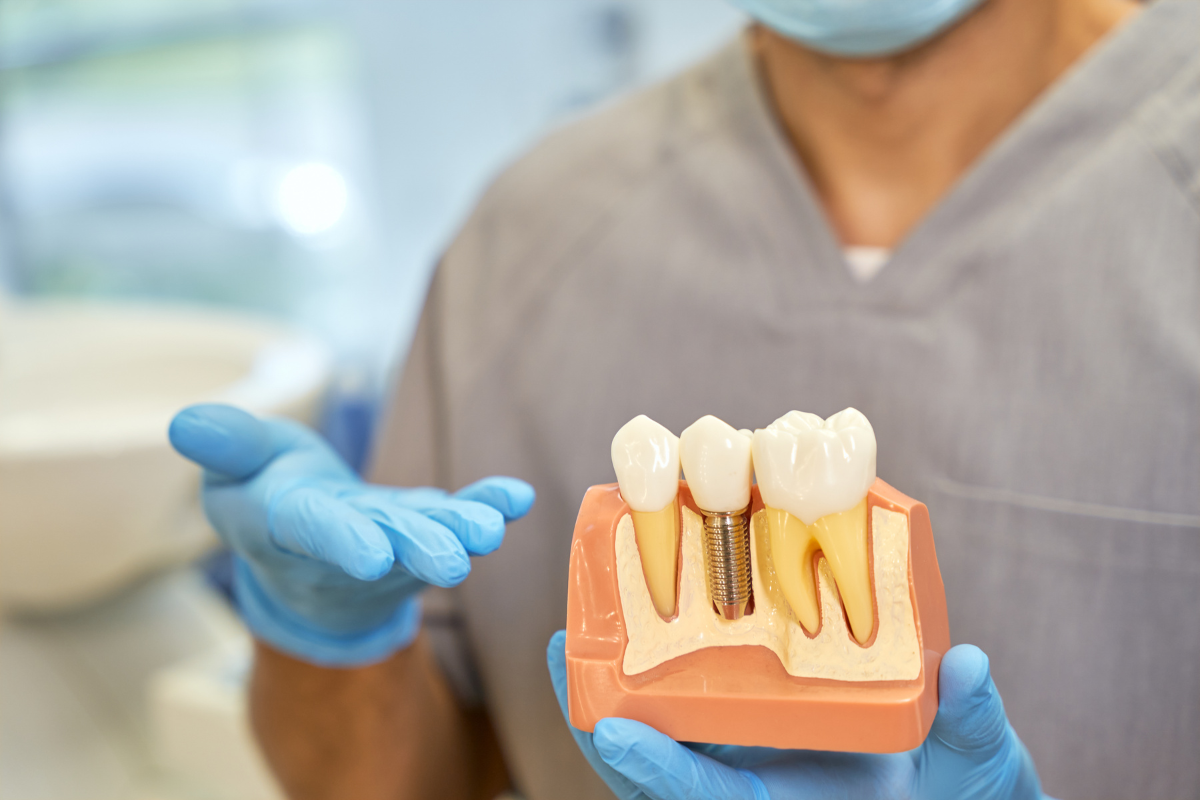
Dental implants use a small post placed in the jawbone to support a replacement tooth. After healing, the implant can support a custom crown.
One advantage is that an implant replaces the tooth root as well as the visible tooth. As a result, it can help maintain bone in the treated area, although it does not prevent all bone changes.
Learn more about dental implants and how they may help restore chewing function and appearance.
Implants require careful planning. Your dentist will assess bone support, gum health, medical history, and other factors before recommending treatment.
Dental Bridges
A dental bridge replaces a gap by attaching an artificial tooth to supporting teeth or other suitable structures. It may be an option when an implant is not appropriate or when a patient prefers another approach.
However, some traditional bridges require reshaping the neighboring teeth. Your dentist can explain the benefits and limits of each design.
Partial or Complete Dentures
Removable dentures can replace several missing teeth or an entire arch. They may offer a practical solution when many teeth are missing.
Depending on the design, dentures rest on the gums or attach to implants. Proper fit and regular adjustments matter because the mouth can change over time.
Is It Ever Safe to Leave a Missing Tooth Alone?
In some cases, a dentist may recommend monitoring a gap rather than replacing it immediately. For example, treatment decisions may differ when a wisdom tooth is removed or when replacement offers limited benefit.
However, you should not assume that every missing tooth can safely remain untreated. A gap may affect chewing, nearby teeth, and bone support even when you feel no discomfort.
Before deciding, ask your dentist about:
- The risk of neighboring teeth shifting.
- Changes in your bite or chewing ability.
- Bone levels in the area.
- The condition of your gums and remaining teeth.
- The likely cost, timing, and maintenance of replacement options.
This conversation can help you weigh the benefits against the risks. It can also prevent you from choosing a treatment based on appearance alone.
When Should You Replace a Missing Tooth?
The best time to discuss replacement is soon after tooth loss, once any urgent problem has received care. Early planning gives your dentist a chance to assess the area before additional changes occur.
Even if you have lived with a gap for years, you may still have options. Your dentist can examine the bone, gums, bite, and nearby teeth to determine what is possible.
Treatment may involve more than one step, especially if you need gum care or bone grafting before an implant. Therefore, a personalized assessment is more useful than relying on a fixed timeline.
Restore Your Smile at Designer Dentistry & Smiles
A missing tooth can affect your bite, bone support, and confidence over time. Although every case is different, exploring replacement options can help you protect your oral health and make an informed choice.
To discuss tooth replacement with Designer Dentistry & Smiles in Sioux Falls, schedule an appointment today!