6100 W. 41st St. Sioux Falls, SD 57106
If you’re thinking about replacing missing teeth with dental implants, you may be wondering whether dental implants are safe and effective for long‑term use. Many Sioux Falls residents ask this same question before taking the next step. Understanding how implants work, their success rate, possible risks, and what to expect during recovery can help you make a smart decision about your dental health.
What Dental Implants Are and How They Work
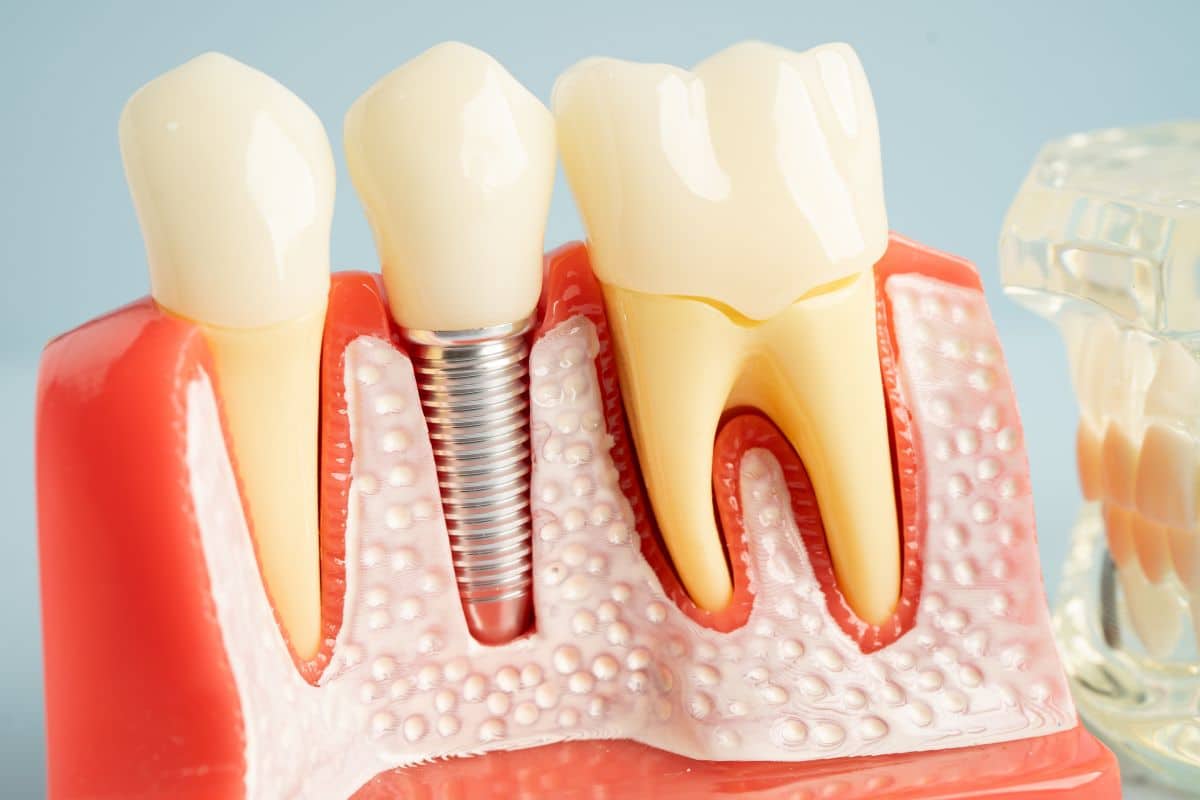
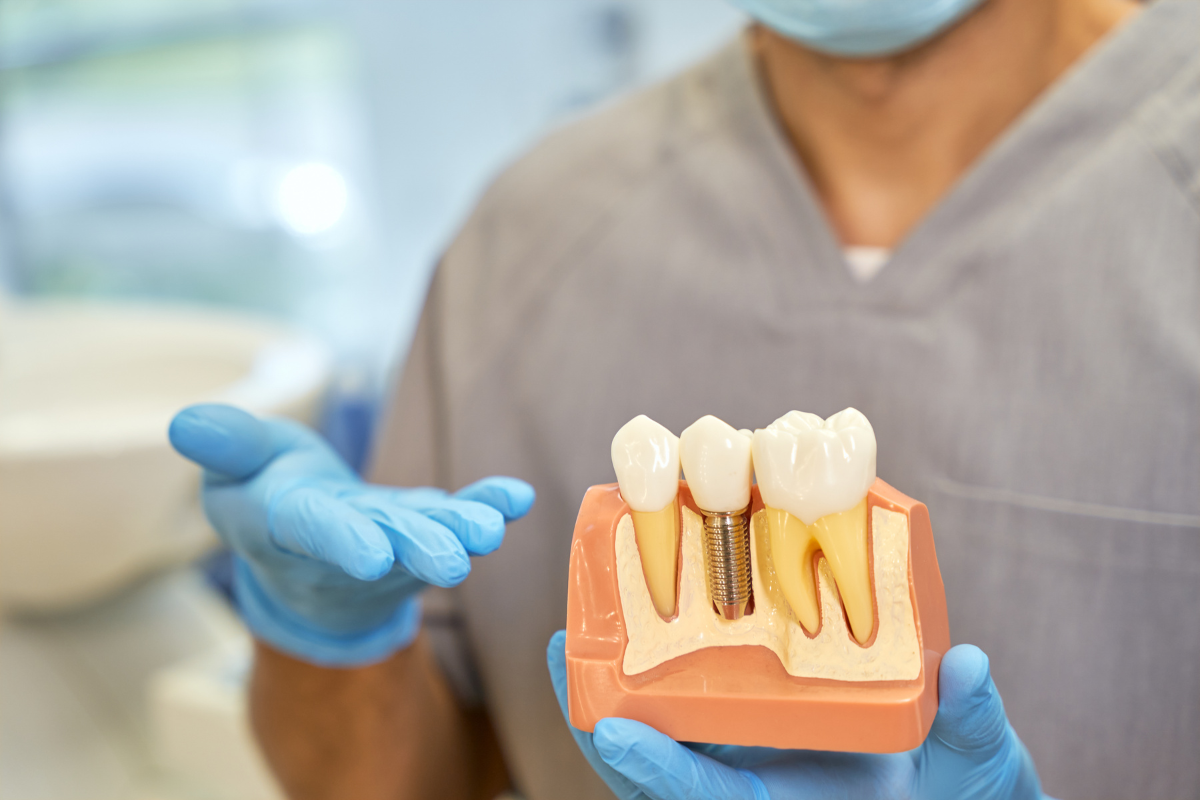
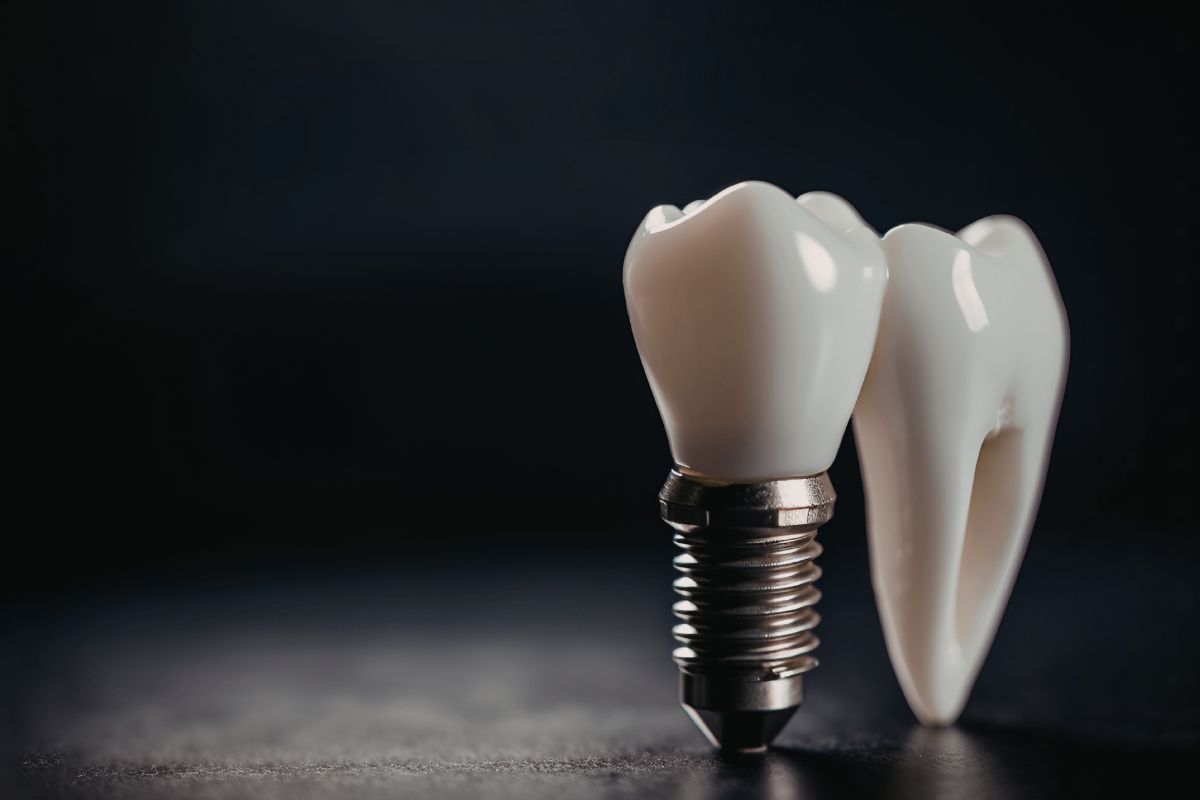
Dental implants are small posts made from titanium that act as artificial tooth roots. Dentists place these posts in your jawbone to support custom crowns or bridges that look and feel like natural teeth. Because they become part of your jaw, implants offer a stable and long‑lasting solution to replacing missing teeth.
Common benefits include:
-
A natural look and feel
-
Strong chewing and biting ability
-
Prevention of bone loss after tooth removal
-
No need to alter nearby teeth
By choosing dental implants, many people enjoy better oral function and an improved smile.
Are Dental Implants Safe? What the Research Says
Naturally, many people want to know, “Are dental implants safe?” The answer is generally yes—but safety depends on a few important factors. When performed by an experienced professional, implants are considered one of the most reliable tooth replacement options.
According to dental research and long‑term follow‑up studies:
-
Most dental implants placed decades ago are still successful after many years of use. For example, in one long‑term follow‑up, about 95.6% of single‑tooth dental implants survived after 38–40 years.
-
Studies also show that dental implants often have a high survival rate at five years, with short and long implants performing similarly.
These findings emphasize that with proper planning and care, implants can offer excellent long‑term results.
At Designer Dentistry & Smiles Sioux Falls, residents receive personalized care and a thorough evaluation to ensure implants are safe and suitable for their unique situation.
Success Rates of Dental Implants
Dental implants have become widely used because of their success and predictability. Research outside of ADA analysis (but widely reported in the clinical literature) suggests that implants can have a success rate of between 95% and 98% over many years, depending on patient health, implant placement, and care after surgery.
The ADA’s reported long‑term follow‑up on dental implant cases supports this perspective, showing excellent implant survival even over decades.
Success rates may vary based on:
-
Overall oral health
-
Quality and quantity of bone
-
Smoking or other lifestyle habits
-
How well you follow post‑operative care instructions
Overall, most patients experience positive outcomes and long‑lasting function from dental implants.
Risks and Possible Complications
Although dental implants are generally safe, they are not risk‑free. It’s important to know what can go wrong so you can prepare and prevent problems.
Potential risks may include:
-
Infection or irritation at the implant site
-
Nerve damage, causing temporary numbness
-
Implant failure if the bone does not fuse properly
-
Sinus issues, especially for upper jaw implants
According to the U.S. Food and Drug Administration (FDA), complications can occur soon after surgery or much later, so you should always report any discomfort or changes to your dentist right away.
While serious complications are uncommon, proper evaluation, treatment planning, and after‑care play a major role in reducing these risks.
What to Expect During Recovery
Your recovery from dental implant surgery takes time, and being prepared can help the process go smoothly. Bone healing and integration—a process called osseointegration—take several weeks or months.
Typical recovery stages include:
-
First few days: Some swelling and mild discomfort is normal.
-
First week: Eat soft foods and follow your dentist’s instructions.
-
First few months: Bone fuses with the implant, creating a strong foundation.
-
Final restoration: Once healed, your permanent crown or bridge is placed.
Tips for a smooth recovery:
-
Take medications as prescribed
-
Keep your mouth clean and follow oral hygiene instructions
-
Avoid smoking and very hard foods
-
Attend all follow‑up appointments
By taking good care of your mouth after surgery, you improve your chances of successful healing and long‑lasting results.
Who Is a Good Candidate for Dental Implants?
Most adults who have good overall health and healthy gums make good candidates for dental implants. Dental implants are not usually recommended for children or teens whose jaws are still growing. Patients with certain medical conditions or heavy tobacco use may require extra care or evaluation before implant treatment.
Consulting with our trusted implant dentist ensures you get a personalized plan that considers your oral and overall health.
Safe, Effective, and Life‑Changing
Dental implants have proven to be a safe and effective solution for replacing missing teeth, with most implants showing long‑term success and durability. Research shows that many implants continue functioning well for decades, and with careful planning and proper care, you can enjoy the benefits of a natural‑looking smile.
If you’re considering dental implants in Sioux Falls, Designer Dentistry & Smiles Sioux Falls offers personalized implant consultations and expert care to ensure your comfort and best results. Schedule your consultation today and take the first step toward a confident, healthy smile!